
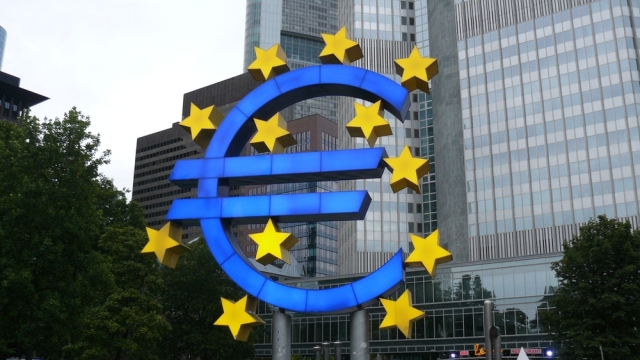
The European Central Bank is poised to raise interest rates for the first time since 2023, a move that will widen the gap between what banks earn on loans and what they pay depositors—leaving Greek households and small businesses to shoulder the burden. With inflation climbing to 3.2% in the Eurozone and geopolitical tensions stoking energy price fears, the ECB’s decision this week marks a turning point in its fight against persistent price pressures. While Greek banks stand to gain from higher lending margins, savers face stagnant returns on deposits, deepening the inequality in how monetary policy plays out across the economy.
Why the ECB is raising rates now—and what it means for Greece
The ECB’s shift comes as consumer price inflation in the Eurozone surged to 3.2% in May, up from 1.9% at the start of the year, according to CNN.gr. The jump—driven by rising energy and service costs—has forced the central bank to abandon its cautious stance, despite warnings from some officials that inflation risks remain “transitory.” Analysts at Capital Economics note that the persistence of price pressures, particularly in services, signals deeper structural inflation that could require tighter policy for longer.

Greek banks are already benefiting from an outsized “interest rate spread”—the difference between what they charge borrowers and what they pay depositors. In 2025, this gap reached 2.3% in Greece, nearly double the Eurozone average of 1.3%, as reported by Protothema. This disparity means Greek banks are capturing a larger share of the ECB’s rate hikes through higher loan rates, while deposit rates remain artificially low—a dynamic that critics argue exploits savers.
The two-rate hike plan—and why September could bring another
A Bloomberg survey of economists, cited by Kathimerini, predicts two rate hikes in 2026: one in June and a second in September. The ECB’s baseline deposit rate is expected to rise to 2.5% by year-end, though some analysts, like Daniel Hartmann of Bantleon, warn that the central bank may keep rates elevated well into 2027 if inflation persists. The timing reflects a deliberate strategy—avoiding a July hike to align with updated economic forecasts, as Hartmann explained.
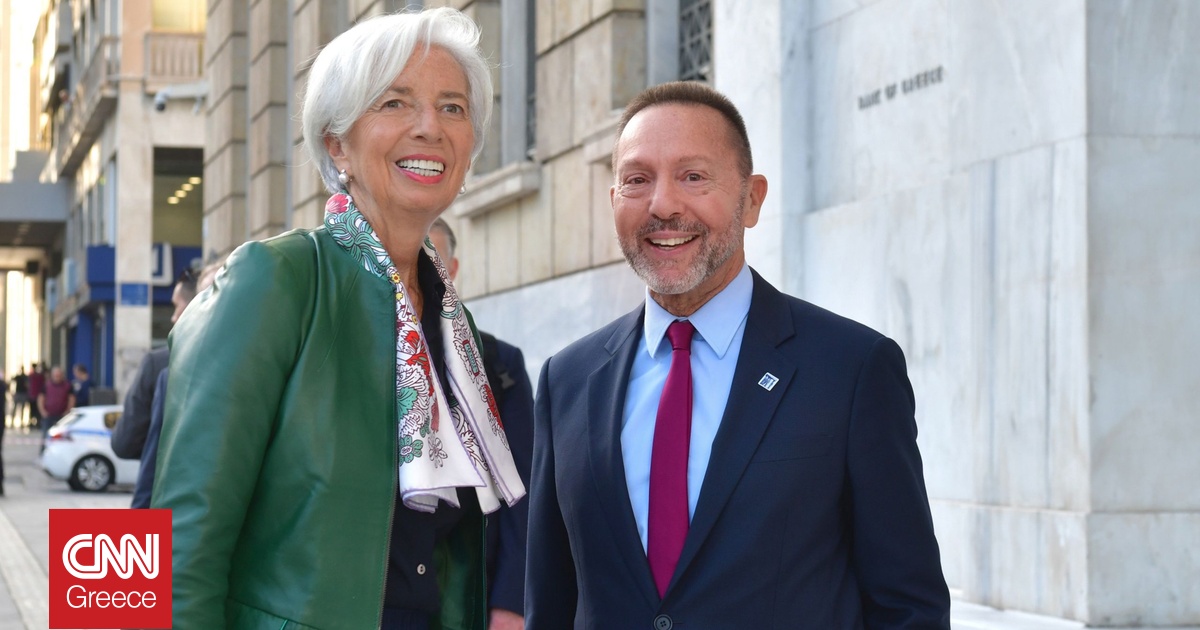
The war in the Middle East has added urgency to the ECB’s move. Energy markets remain volatile, and the central bank has signaled that it will not tolerate prolonged inflation spikes. “The ECB wants to send a clear message that it won’t stay passive while inflation rises,” Hartmann said. The risk, however, is that higher borrowing costs could slow economic growth, particularly for small businesses and households already struggling with higher living costs.
Who wins—and who loses—in Greece’s banking squeeze
For Greek banks, the ECB’s hikes are a windfall. Protothema estimates that systemic banks could see net interest income rise by at least €100 million in the second half of 2026, as higher loan rates outpace the slow trickle of deposit rate increases. The problem? Most Greek savers earn next to nothing on their deposits. While the ECB’s deposit facility rate has climbed, commercial banks have been slow to pass those gains to customers—keeping rates on term deposits at historically low levels.
This asymmetry has real-world consequences. Higher loan rates mean bigger monthly payments for mortgages and business loans, while stagnant deposit returns leave retirees and small savers with little incentive to keep money in banks. “Only those with large deposits benefit from higher rates,” notes CNN.gr, highlighting the regressive impact of monetary policy in Greece.
The domino effect: How higher rates ripple through the economy
The ECB’s move will test Greece’s fragile recovery. Higher borrowing costs could dampen consumer spending and business investment, particularly in sectors like real estate and manufacturing, where debt levels are high. The Bank of Greece has already flagged concerns about overleveraged households, and further rate hikes could push more borrowers into distress.

Yet the ECB’s hand is forced. With inflation expectations rising and energy prices volatile, the central bank has little choice but to act. “The ECB is walking a tightrope,” says Andrew Kenningham of Capital Economics. “If they don’t raise rates now, inflation could become entrenched. But if they overdo it, they risk stifling an already weak recovery.” The challenge for Greece is that its banks—and its economy—are more exposed to rate shocks than many Eurozone peers.
What happens next—and who watches the ECB’s next move
The ECB’s June decision is just the first step. Markets are pricing in the possibility of a 50-basis-point hike later this year, though most economists still expect a more gradual approach. The key question is whether the central bank will pause after September—or press ahead if inflation keeps climbing. For Greece, the stakes are high: a prolonged tightening cycle could squeeze banks’ profitability while deepening the savings crisis for ordinary citizens.
One thing is certain: the ECB’s actions will reshape Greece’s financial landscape. Banks will keep pushing for higher loan rates, while savers will continue to demand better deposit returns. Without structural reforms to banking practices—or a shift in the ECB’s communication strategy—the gap between lenders and borrowers will only widen. For now, the central bank is focused on inflation. But the human cost of its fight—falling living standards for millions—is already clear.
