
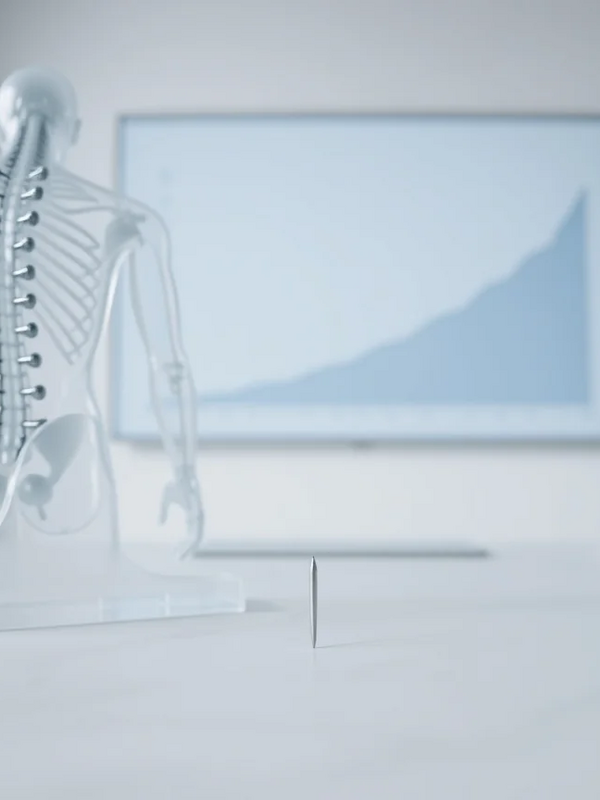
A growing number of oncologists worldwide are integrating acupuncture and other integrative therapies into cancer care, a trend confirmed by new research from teh University of California, Irvine [[1]]. Despite increasing acceptance and evidence of efficacy-particularly for managing pain and side effects-notable barriers to access remain, leaving many patients without these perhaps beneficial treatments [[2]]. This report examines the latest findings on acupuncture’s role in oncology, the ongoing debate surrounding optimal techniques, and the challenges of equitable implementation [[3]].
A global survey from the University of California, Irvine reveals that integrative therapies, such as acupuncture, are increasingly being used worldwide in cancer care. However, access to these treatments remains limited for many patients, with financial barriers hindering medical progress. This growing trend highlights the need to address disparities in healthcare access and explore complementary approaches to cancer treatment.
The data is clear: approximately 70 percent of oncologists surveyed globally utilize acupuncture and similar methods to manage symptoms like chronic pain, fatigue, and anxiety, according to a comprehensive study published in BMC Complementary Medicine & Therapies by Alexandre Chan and his team. Chan leads the clinical pharmacy department at UCI.
“Physicians around the world are not viewing these approaches as alternatives, but as essential additions to conventional cancer therapy,” Chan explained. The investigation encompassed eight global regions and is considered the most extensive assessment to date of acupuncture’s integration into oncology.
Chronic pain affects many patients – and often, medication or invasive procedures aren’t the only options. A free PDF report details 101 acupressure points with illustrations and step-by-step instructions to help relieve knee, back, or shoulder pain. Conveniently, it’s a needle-free, drug-free method you can use at home as a complementary treatment. The report also includes emergency techniques, guidance on application duration, and advice on when to seek medical attention. Request your free acupressure guide now
However, a sobering reality follows: despite high acceptance among professionals, around 80 percent of these therapies go unused. Why? Costs, lack of insurance coverage, and limited training opportunities create significant obstacles – particularly in South Asia and sub-Saharan Africa.
While UCI researchers investigate practical implementation, a technical debate is unfolding: which acupuncture method is most effective for osteoarthritis?
A critical commentary in the Journal of Pain Research questions recent study results on knee osteoarthritis. The original research suggested that electroacupuncture and laser acupuncture may be more effective at protecting joint cartilage than traditional manual techniques. While promising, the critics argue that comparing mechanical stimulation from needles to the physical energy of lasers or electricity requires stricter standardization. This means that for doctors, the type of acupuncture used could be as important as the decision to use it at all.
Long-Term Effects Surprise Experts
This ongoing discussion builds on a strong foundation of evidence. The “BackInAction” study, published in JAMA Network Open in September 2025, provided compelling data: among older patients with chronic back pain, acupuncture significantly outperformed standard care – and the benefits persisted for months after treatment ended.
“What surprised me was that the effects lasted up to twelve months, even though the treatment was only three months long,” said Dr. Gary Deng, head of the integrative oncology program at UCI Health. This lasting impact sets acupuncture apart from pain medications, whose effects diminish when the medication is stopped.
Insurance Providers Face Pressure
The growing body of research is shifting the focus: the question is no longer “Does it work?” but “How do we improve access?” UCI data identifies gaps in insurance coverage as a primary barrier. Industry observers anticipate increasing pressure on insurance companies in 2026 to cover acupuncture for chronic pain and cancer care.
Alongside this, more precise comparative studies are likely to emerge: laser versus electrostimulation, needle versus needle. The era of simple placebo comparisons appears to be waning.
By late 2025, a clear message is emerging for patients with chronic pain: the evidence is strong, and experts are convinced – now, the necessary infrastructure needs to catch up. The question remains: how long will that take?
PS: If studies demonstrate that acupuncture provides lasting relief from chronic back pain, acupressure can be a readily available addition to your daily routine. The free acupressure report explains which points often provide the fastest relief for arthritis and back pain, how to safely apply the techniques, and when to seek medical advice. The report is available via email and is illustrated for easy use – ideal if you want to do something about pain right away. Secure your free acupressure report via email
