

Experts across multiple Lithuanian health publications highlight a critical oversight in weight loss efforts: the interplay between mental health and physical well-being, alongside common dietary missteps that sabotage progress. These insights, drawn from six sources, reveal a complex web of psychological, metabolic, and behavioral factors that often go unaddressed.
Psychological Roots of Weight Struggles
Dr. Ramunė Mazaliauskienė, a psychiatrist and psychotherapist at Neuromeda Medical Center, emphasizes that obesity is frequently linked to mental health issues. “Physical and mental health are inseparable,” she states, explaining that psychological disorders can reduce physical activity and increase emotional eating. This bidirectional relationship means that addressing mental health is crucial for sustainable weight loss. According to the BBC, she also notes that psychiatric medications may affect metabolism, requiring careful monitoring.

“Maistas neturėtų būti naudojamas kaip ‘skanėstas’ ar atlygis už pasiekimus.”
Dr.
The Role of Physical Activity and Discipline
Source 3’s dietologist stresses that effective weight loss requires a combination of diet and exercise. “Relying solely on cardio is ineffective; strength training is essential to build muscle and boost metabolism,” the expert notes. This advice is echoed in Source 5, which recommends daily exercise combining both cardio and strength training. However, the article cautions against overtraining, emphasizing the need for rest and recovery.
Discipline, another critical factor, is discussed in Source 2. Unikauskas warns that overthinking weight loss can lead to stress, which increases cortisol levels and promotes fat storage. “Relax, stay consistent, and focus on long-term habits rather than quick fixes,” he advises. This perspective is supported by Source 4, which links stress management to metabolic health.
What Comes Next? The Path to Sustainable Weight Loss
Experts agree that sustainable weight loss requires addressing both mental and physical health. Dr. Mazaliauskienė suggests consulting healthcare professionals to create personalized plans, while Unikauskas advocates for a holistic approach combining diet, exercise, and mental well-being. The consensus is clear: there is no one-size-fits-all solution, and patience is key.
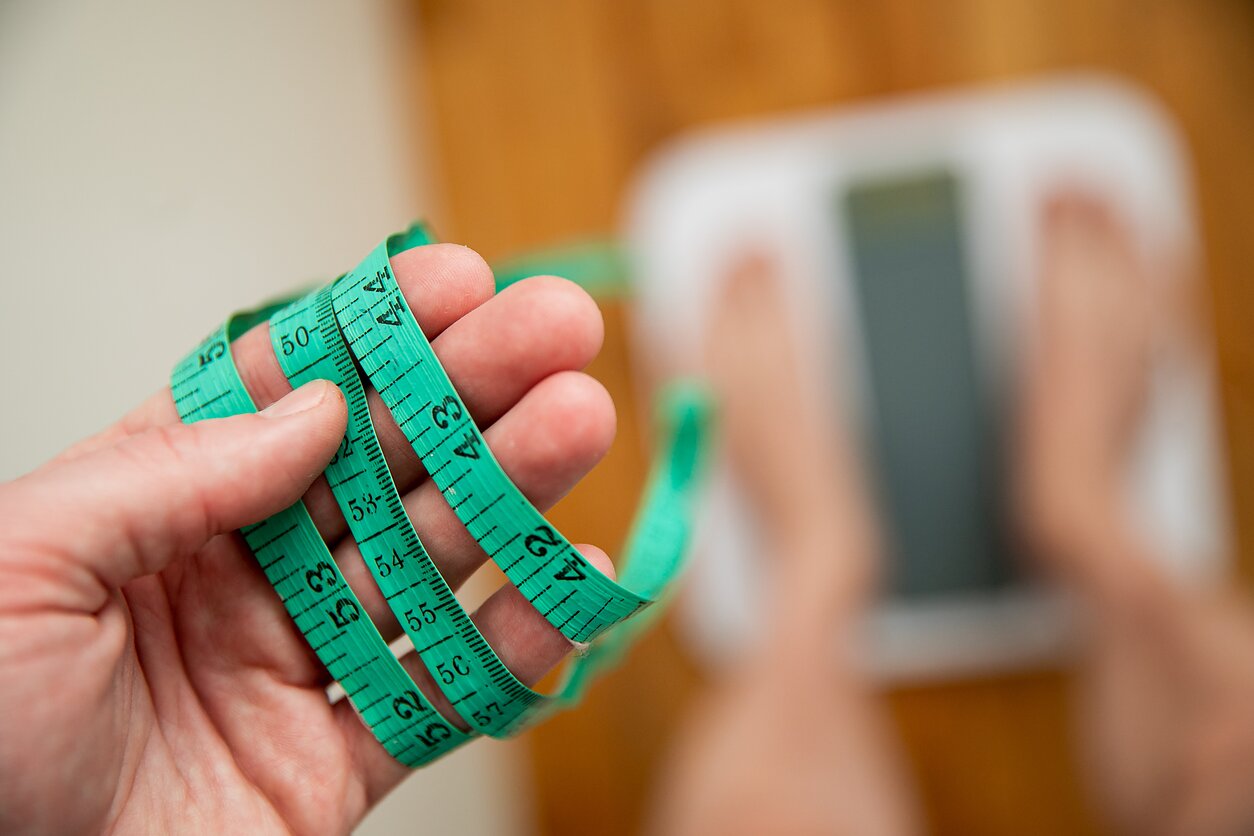
For those struggling, the message is to seek professional guidance and adopt a balanced, long-term strategy. As Source 6’s Dr. Paul concludes, “Sustainable change takes time, but with the right approach, it’s achievable.”
“Fizinės sveikatos sunkumai yra veikiami psichikos sveikatos ir patys ją veikia. O psichikos sveikatos sunkumai lemia fizinę sveikatą ir yra jos veikiami.”
Dr.
Five Common Weight Loss Pitfalls
Professor Alvydas Unikauskas of the Lithuanian Health Sciences University identifies five frequent errors. The first is focusing solely on weight rather than body measurements, as muscle gain can offset fat loss. “If you’re exercising more and eating better but not losing weight, you might be building muscle,” he explains. Another mistake is overemphasizing calorie counts while neglecting food quality, as Source 2 notes: “A 100-calorie apple and a 100-calorie candy bar affect the body differently.”
Unikauskas also warns about overeating nuts, which are high in calories, and the importance of maintaining a carbohydrate balance to avoid metabolic slowdown. “Without sufficient carbs, your body may start burning muscle instead of fat,” he advises. These points align with findings from Source 5, which stresses the role of balanced nutrition in metabolic health.
Metabolic Mistakes and Emotional Eating
Gydytoja Jekaterina Volkova, cited in Source 4, highlights how restrictive diets can backfire. “When you deprive your body, it enters survival mode, slowing metabolism and storing fat,” she says. This aligns with Source 5’s warning against extreme calorie restriction, which can lead to muscle loss and a slower metabolism. Emotional eating, another key issue, is addressed by Dr. Rachel Paul, a nutritionist quoted in Source 6. “Food should never be a reward or punishment,” she states, advocating for a balanced approach to eating.
“Maistas neturėtų būti naudojamas kaip ‘skanėstas’ ar atlygis už pasiekimus.”
Dr.
The Role of Physical Activity and Discipline
Source 3’s dietologist stresses that effective weight loss requires a combination of diet and exercise. “Relying solely on cardio is ineffective; strength training is essential to build muscle and boost metabolism,” the expert notes. This advice is echoed in Source 5, which recommends daily exercise combining both cardio and strength training. However, the article cautions against overtraining, emphasizing the need for rest and recovery.

Discipline, another critical factor, is discussed in Source 2. Unikauskas warns that overthinking weight loss can lead to stress, which increases cortisol levels and promotes fat storage. “Relax, stay consistent, and focus on long-term habits rather than quick fixes,” he advises. This perspective is supported by Source 4, which links stress management to metabolic health.
What Comes Next? The Path to Sustainable Weight Loss
Experts agree that sustainable weight loss requires addressing both mental and physical health. Dr. Mazaliauskienė suggests consulting healthcare professionals to create personalized plans, while Unikauskas advocates for a holistic approach combining diet, exercise, and mental well-being. The consensus is clear: there is no one-size-fits-all solution, and patience is key.
For those struggling, the message is to seek professional guidance and adopt a balanced, long-term strategy. As Source 6’s Dr. Paul concludes, “Sustainable change takes time, but with the right approach, it’s achievable.”
Find more reporting in our Health section.
