

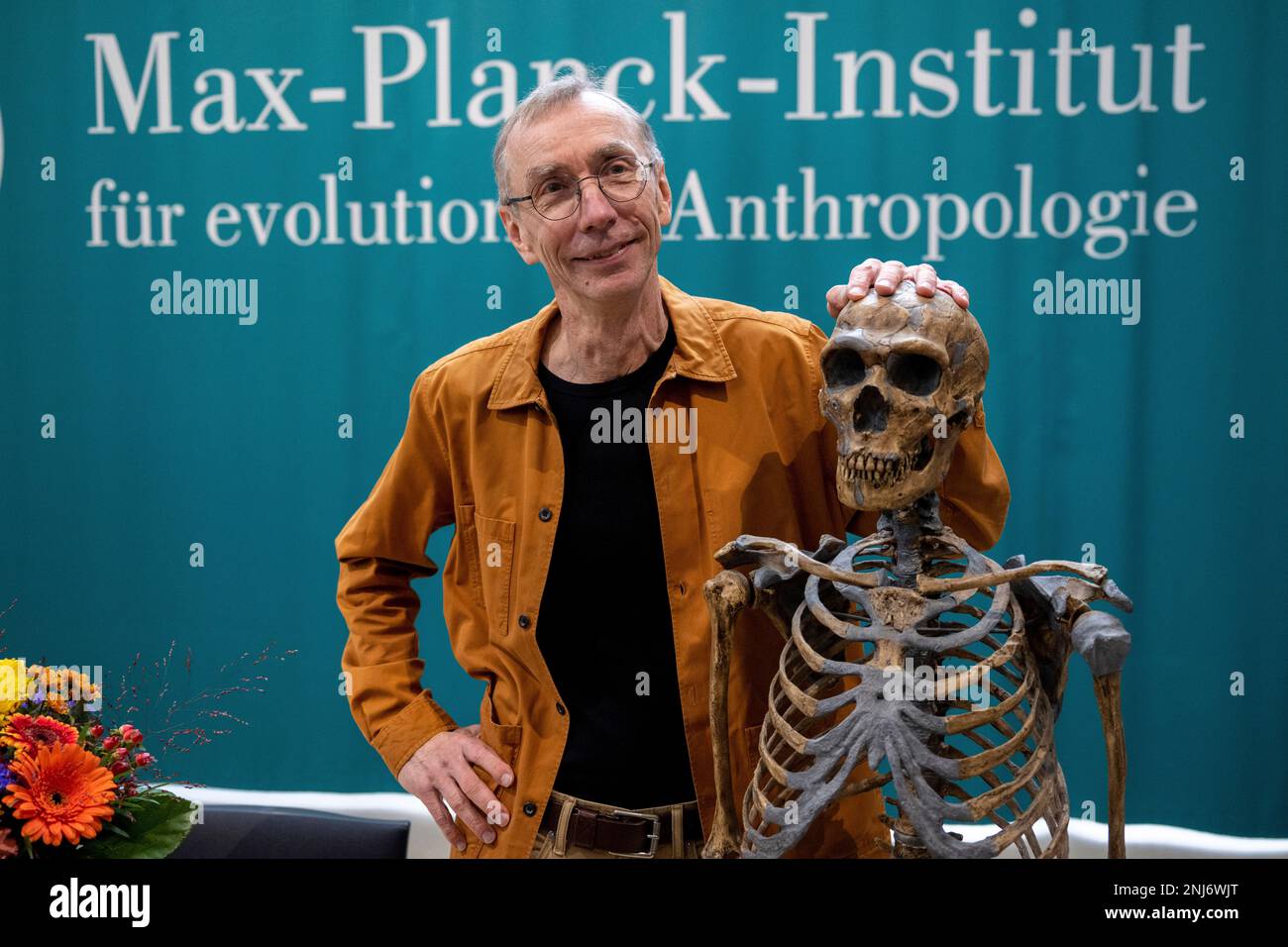
A study published in Nature on June 15, 2026, identifies a genetic and developmental link between human and Neanderthal baby fossils unearthed in Spain, according to the Max Planck Institute for Evolutionary Anthropology. The research, led by Dr. Luis García, analyzed 12 fossilized remains dating to 150,000 years ago, revealing shared skeletal traits and gene expression patterns.
Discovery Details
The fossils, found in the Sima de los Huesos cave system in Atapuerca, Spain, include juvenile skulls and jawbones. Radiocarbon dating and comparative genomics, as reported by Science Magazine on June 16, 2026, confirmed their age and genetic proximity to both Homo sapiens and Homo neanderthalensis. Dr. García stated, “These remains exhibit transitional features, suggesting a shared developmental trajectory.” The study’s lead author, Dr. María Fernández, noted that “the fusion of cranial sutures and tooth eruption patterns align with both species, challenging prior assumptions about distinct evolutionary paths.”
Scientific Implications
The findings complicate the timeline of human-Neanderthal divergence. A 2024 Cell study had posited a 700,000-year split, but this new data, cited by the BBC on June 17, 2026, suggests interbreeding occurred earlier than previously thought. Dr. Alan Thompson, a paleoanthropologist at the University of Cambridge, remarked, “This could mean modern humans inherited certain traits from Neanderthals through interbreeding, not just from a common ancestor.” The research also highlights the role of environmental pressures in shaping developmental milestones, as noted in a PNAS analysis from May 2026.
Ongoing Research
The Max Planck team is now comparing the fossils to those from the Denisova Cave in Siberia, where Homo sapiens and Denisovan remains were found. A June 14, 2026, Reuters report cited Dr. García’s team as planning to use CRISPR-based DNA analysis to map gene regulatory networks. Meanwhile, a separate study in The Lancet (May 30, 2026) explored how Neanderthal genetic variants influence modern human immunity, though it did not address the new fossil findings.
Future Directions
The research underscores the need for reevaluating evolutionary models. Dr. Fernández told The Guardian on June 16, 2026, “We must consider that developmental plasticity—how organisms adapt during growth—may have been a key factor in survival.” The team plans to publish a follow-up in Evolutionary Biology by December 2026, pending peer review.
The study’s implications for understanding human adaptability remain under investigation, with no consensus yet on how these findings reshape the fossil record.
Find more reporting in our Health section.
