

Indonesia’s Electric Bike Market Heats Up: Top Models Offering Range, Durability, and Affordability
As urban mobility shifts toward sustainability, Indonesia’s electric bike market is gaining momentum, with manufacturers rolling out models that combine extended range, weather resistance, and competitive pricing. Recent product launches and consumer trends highlight a growing demand for cost-effective, high-performance e-bikes, particularly among budget-conscious commuters and students.
The latest recommendations from industry observers point to five standout models that balance performance with affordability, addressing key concerns like battery life, water resistance, and overall value. These bikes are positioning themselves as practical alternatives to traditional scooters and public transportation, especially in congested cities where short-distance travel dominates.
Top Picks for 2026: Range and Reliability Lead the Way
Among the most talked-about models is the Uwinfly D60/X-665, which features a removable battery and a price tag of approximately $235 (Rp3.55 million). Its lithium-ion battery system offers flexibility for charging, while its water-resistant design makes it suitable for Indonesia’s tropical climate. The model’s popularity reflects a broader trend: consumers are prioritizing durability and convenience over flashy features.
Another contender, the United Bike E-Max, stands out for its 60 km/h top speed and 100 km range on a single charge—specs that rival higher-priced competitors. Priced at around $1,000 (Rp15 million), it targets riders who demand speed and endurance without breaking the bank. Industry analysts note that such models are increasingly appealing to delivery drivers and urban professionals who rely on efficient, low-maintenance transportation.
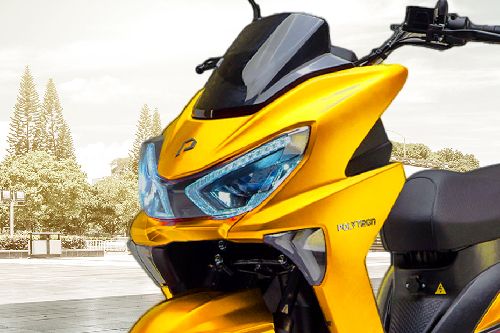
For budget-conscious buyers, the Selis E-Max and Polytron Fox-R offer entry-level options under $700 (Rp10 million). Both models emphasize practicality, with the Selis E-Max boasting a 70 km range and the Polytron Fox-R featuring a lightweight frame and easy maneuverability. These bikes are particularly popular among students and first-time e-bike owners, who prioritize affordability and ease of apply.
The Viar Q1 rounds out the list with a focus on ruggedness, featuring a waterproof rating of IP67 and a 90 km range. Its design caters to riders in areas with unpredictable weather or rough terrain, making it a versatile choice for both urban and suburban use. With a price point around $850 (Rp13 million), it competes directly with mid-range models from established brands.
Battery Life and Speed: Key Considerations for Buyers
One of the biggest challenges for e-bike owners is battery longevity, particularly in Indonesia’s humid climate. Experts recommend several strategies to extend battery life, including avoiding full discharges, storing batteries in cool, dry places, and using manufacturer-approved chargers. Proper maintenance can significantly reduce the need for costly replacements, which can range from $50 to $300 depending on the model and battery type.
Speed management is another critical factor. While many e-bikes are capable of reaching speeds of 50-60 km/h, frequent high-speed riding can drain batteries faster and increase wear on components. Riders are advised to use lower speed settings for daily commutes and reserve higher speeds for open roads or emergencies. This approach not only conserves battery life but also enhances safety, particularly in crowded urban areas.
For those seeking even more affordable options, several models under $200 (Rp3 million) are gaining traction among students and casual riders. These bikes typically offer shorter ranges (30-50 km) and lower top speeds (25-40 km/h) but provide a cost-effective entry point into electric mobility. Brands like United Bike and Polytron have expanded their product lines to include these budget-friendly models, reflecting the market’s growing diversity.
Market Growth and Economic Impact
The surge in e-bike adoption is part of a broader shift toward electric vehicles in Southeast Asia, driven by rising fuel costs, environmental concerns, and government incentives. Indonesia, with its dense urban centers and sprawling suburbs, presents a particularly strong use case for e-bikes, which offer a middle ground between motorcycles and public transit.
Retailers are responding to the demand with flexible financing options, including installment plans and trade-in programs. Online marketplaces like Tokopedia and Blibli have seen a sharp increase in e-bike sales, with some models offering discounts of up to 10% for first-time buyers. The availability of replacement batteries and accessories—such as waterproof casings and portable chargers—has also made ownership more convenient.
As the market matures, competition is expected to drive further innovation, particularly in battery technology and smart features like GPS tracking and app integration. For now, however, the focus remains on delivering reliable, affordable transportation solutions that meet the needs of Indonesia’s diverse consumer base.
With more models hitting the market and prices continuing to drop, 2026 could be a turning point for e-bike adoption in the country. For consumers, the message is clear: practical, high-value options are now within reach, and the choices are only getting better.
