
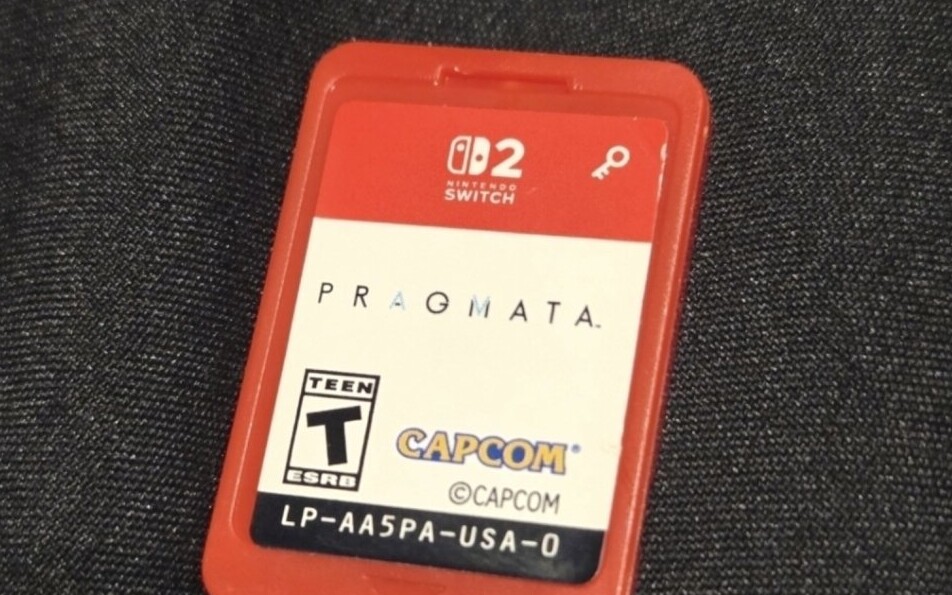
Nintendo is facing mounting criticism after failing to remove counterfeit versions of the critically acclaimed indie game Unpacking from its Switch eShop, leaving developers frustrated and players vulnerable to scams.
Developers Call Out Nintendo’s Inaction
The controversy erupted after Wren Brier, co-director of Unpacking developer Witch Beam, publicly criticized Nintendo’s lack of response to reports of counterfeit games impersonating their title. In a post on the social platform BlueSky on April 12, 2026, Brier highlighted that fraudulent listings—using the game’s trademarked name and artwork—had remained on the eShop for over two weeks without action.
“It’s been over two weeks and these are still on the eShop. Nintendo hasn’t responded to any of our reports of these egregious scams which are using our trademarked game name and purposely tricking Nintendo customers into buying cheap fakes.”
— Wren Brier, Co-Director, Witch Beam
Unpacking, a puzzle game that tells its story through the act of sorting and placing household items during moves, has earned widespread praise for its unique narrative approach. Whereas the game is available on multiple platforms, including mobile devices, the Switch version has become a particular target for counterfeiters—a problem Brier attributes to Nintendo’s policies rather than the console’s technical limitations.
How the Scam Works
The fake games exploit Nintendo’s eShop listing system by mimicking the appearance of legitimate titles. Players searching for Unpacking may unknowingly purchase these low-quality imitations, which often lack the original game’s mechanics, story, and polish. The scam not only harms consumers but similarly undermines the reputation of indie developers who rely on digital storefronts for visibility and revenue.
This issue underscores a growing challenge for digital marketplaces: balancing open access for developers with the need to protect both creators and customers from fraud. While major platforms like Steam and the Apple App Store have implemented stricter verification processes, Nintendo’s eShop has faced repeated criticism for its slower response to counterfeit listings.
Nintendo’s Broader Battle Against Piracy
The company’s struggle with unauthorized content isn’t limited to counterfeit games. In July 2025, Nintendo collaborated with the FBI to shut down a major piracy website offering thousands of illegal Switch game downloads. The operation, conducted under a federal court order in Georgia, targeted a site that had long been on the radar of international law enforcement.
Nintendo has also taken aggressive legal action against emulator developers. In early 2025, the company reached a $2.4 million settlement with Tropic Haze, the creators of the Yuzu emulator, which Nintendo accused of enabling large-scale piracy. The case led to the shutdown of Yuzu, as well as Citra, another popular emulator for the 3DS.
Despite these efforts, piracy remains a persistent issue for the Switch platform. Some players have turned to illegal copies of games before their official release, often sourced from early retail leaks. While the upcoming Switch 2 has yet to face similar challenges, industry observers warn that the problem could resurface as the new hardware gains traction.
What’s Next for Nintendo and Indie Developers?
For now, the fate of the counterfeit Unpacking listings remains unclear. Witch Beam’s team has not received any updates from Nintendo regarding their reports, leaving developers and players alike questioning the company’s commitment to addressing fraud on its platform.

The incident highlights a critical tension in the gaming industry: as digital storefronts become the primary way players discover and purchase games, the responsibility of platform holders to police content grows. For indie studios like Witch Beam, whose success depends on fair competition and consumer trust, Nintendo’s inaction represents more than just a technical oversight—it’s a threat to their livelihood.
As the gaming industry continues to evolve, the pressure on companies like Nintendo to implement more robust anti-fraud measures will only intensify. For developers and players, the stakes are high: without stronger protections, digital storefronts risk becoming minefields of deception rather than trusted marketplaces.
