
Europe’s Electric Vehicle Market Surges as Chinese Competition and Tesla Recovery Reshape Auto Industry
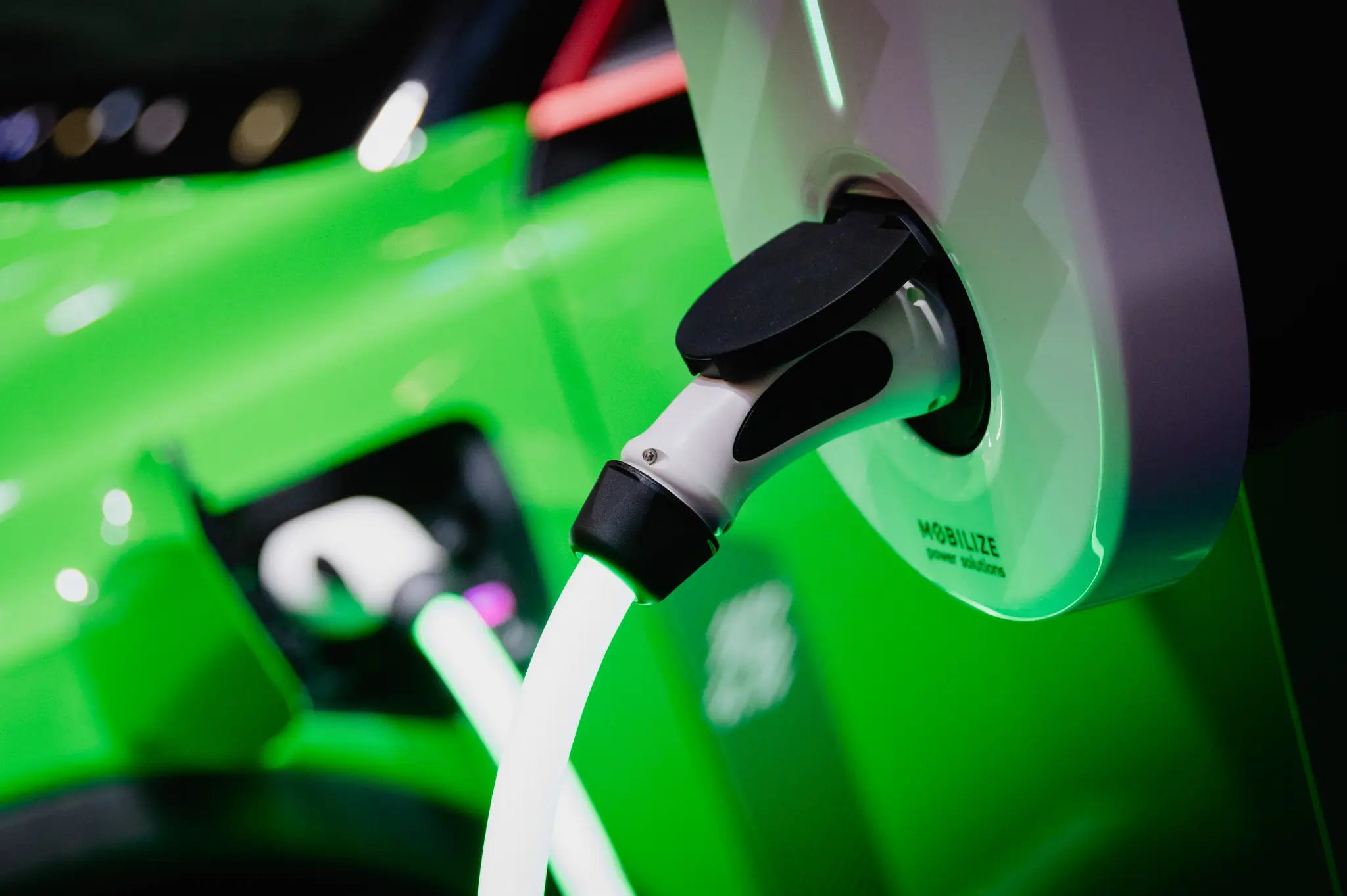
April 28, 2026 — The European automotive market is accelerating at a pace unseen in years, driven by a sharp rise in electric vehicle (EV) adoption, aggressive pricing from Chinese manufacturers, and a rebound in Tesla’s sales performance. Industry data shows that battery-electric vehicles (BEVs) and plug-in hybrids are now outpacing the broader market, signaling a fundamental shift in consumer preferences and competitive dynamics across the continent.
According to recent reports, the growth of fully electric and plug-in hybrid models has surpassed overall vehicle registrations in Europe, marking a turning point for an industry long dominated by internal combustion engines. This trend reflects not only regulatory pressure to reduce emissions but also a growing consumer appetite for cleaner, more efficient transportation—especially as fuel costs remain volatile due to geopolitical tensions, including the ongoing conflict in Iran.
In Spain, the impact of rising oil prices has been particularly pronounced. Used electric vehicles are gaining traction among cost-conscious buyers, with dealerships reporting increased demand as drivers seek alternatives to traditional gasoline and diesel models. The shift comes as the war in Iran continues to disrupt global energy markets, pushing fuel prices higher and making electric alternatives more attractive to everyday consumers.
“The market is responding to both economic and environmental pressures,” industry analysts noted. “When oil prices spike, interest in EVs tends to follow—especially in markets where charging infrastructure is improving and model availability is expanding.”
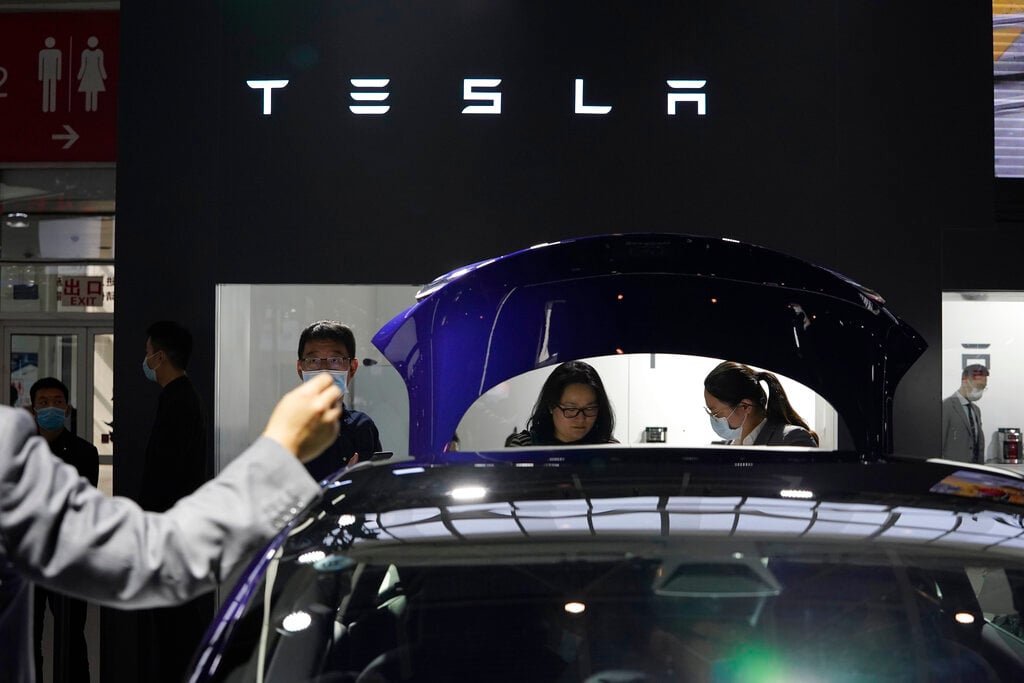
Tesla, once seen as a bellwether for the EV sector, has played a key role in this recovery. After a challenging period marked by production delays and supply chain disruptions, the company has regained momentum in Europe, benefiting from price cuts and an expanded lineup. Its resurgence comes as Chinese automakers, including BYD, NIO, and XPeng, aggressively expand their presence in the region, offering competitively priced models that appeal to budget-conscious buyers.
The influx of Chinese brands has intensified competition, forcing established European and American automakers to accelerate their own EV strategies. Whereas some industry observers warn of potential trade tensions—particularly as governments weigh tariffs and subsidies to protect domestic manufacturers—the short-term effect has been a broader selection of affordable electric vehicles for consumers.
“The European market is no longer just about premium EVs,” said one automotive consultant. “Chinese brands have brought down the entry price, making electric mobility accessible to a much wider audience. That’s reshaping the entire competitive landscape.”
Despite the positive trends, challenges remain. Charging infrastructure continues to lag in some regions, and concerns about battery supply chains persist. Yet, the overall trajectory is clear: electric vehicles are no longer a niche segment but a mainstream choice for European drivers.
Meanwhile, in the U.S., political and financial developments are adding another layer of complexity to the global EV market. Former President Donald Trump and the Republican Party have amassed a record $1.2 billion campaign war chest, fueled in part by a surge in cryptocurrency donations. The fundraising haul underscores the growing influence of digital assets in political finance, even as regulatory uncertainty looms over the sector.
While the connection between U.S. Campaign finance and Europe’s EV market may seem indirect, industry analysts suggest that policy shifts in Washington could have ripple effects. Trade policies, climate regulations, and infrastructure investments—all of which are likely to be debated in the upcoming election—could shape the future of electric mobility on both sides of the Atlantic.
For now, however, the focus remains on Europe’s accelerating transition to electric vehicles. With sales of BEVs and plug-in hybrids rising faster than the overall market, the continent is setting the pace for a global shift—one that could redefine the automotive industry for decades to come.
