
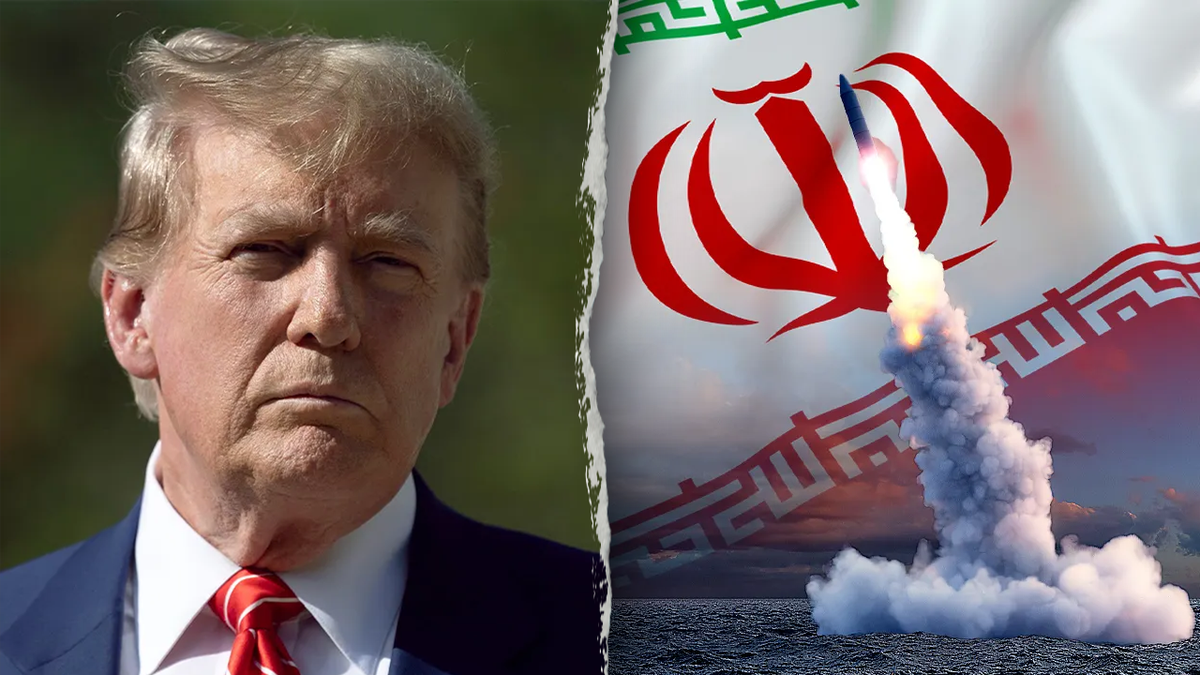
No credible evidence supports claims that the United States is preparing a ground operation to seize Iranian enriched uranium as of May 16, 2026. Official government channels and international monitoring bodies have issued no such directives, and current geopolitical reporting confirms no troop movements or military escalations consistent with this reported scenario.
Speculation regarding a potential United States-led military intervention in Iran has surfaced in various regional media outlets, yet these reports remain unsubstantiated by verifiable intelligence or official policy statements. As of Saturday, May 16, 2026, there are no confirmed military deployments, legislative actions, or diplomatic warnings from the Department of Defense or the White House that indicate a shift toward a ground offensive aimed at Iranian nuclear assets.
Absence of Official Confirmation
The narrative suggesting an imminent ground operation appears to lack a foundation in current geopolitical reality. International observers, including the International Atomic Energy Agency (IAEA), maintain ongoing monitoring of Iran’s nuclear facilities. While tensions between Tehran and Washington have historically fluctuated, no recent communications from the Pentagon or the State Department suggest a transition to direct ground conflict. Analysts note that such an operation would represent a significant departure from current regional security strategies, which have predominantly focused on diplomatic containment and economic sanctions.
The reports originating from certain media seeds lack attribution to specific military commanders, cabinet-level officials, or verified intelligence briefings. In the absence of corroboration from established international news desks or official government transcripts, the claim functions as an unverified rumor rather than a documented strategic development. Military experts familiar with the region emphasize that the logistics required for a ground operation to seize secure, deep-underground nuclear facilities would be impossible to conceal, yet no satellite imagery or regional intelligence reports have signaled any such mobilization.
Furthermore, the lack of coordination with regional allies—who typically serve as staging grounds for large-scale U.S. military logistics—remains a primary indicator that no such plans are in motion. Official statements from the Department of Defense continue to emphasize the policy of “deterrence” rather than “preemptive seizure.” No mobilization orders have been issued to the U.S. Central Command (CENTCOM), which oversees military operations in the Middle East, nor have there been any documented requests for additional logistical support or personnel deployments to the region that would be required for an operation of this magnitude.
Regional Security Context
The geopolitical situation in the Middle East remains complex, characterized by localized proxy tensions and ongoing maritime security concerns. However, the specific objective of seizing enriched uranium via a ground incursion is not reflected in current defense postures. The United States maintains a robust regional presence, but its stated objectives remain centered on the protection of shipping lanes and the deterrence of regional escalations.
International diplomatic efforts continue to prioritize the prevention of nuclear proliferation through established frameworks rather than military seizure. There have been no emergency meetings of the United Nations Security Council convened to address an imminent threat of this nature, a step that would be expected if a major power were planning a direct invasion of sovereign territory for the purpose of securing sensitive materials. The diplomatic channels between Washington and regional capitals remain focused on existing non-proliferation treaties and the monitoring of enrichment levels as reported by the IAEA.
Regional observers note that any shift toward a ground-based strategy would necessitate a public announcement regarding the status of existing treaties or a formal shift in executive policy. No such announcement has occurred. The absence of a formal request to the U.S. Congress for an Authorization for Use of Military Force (AUMF) further underscores that the legislative branch has not been briefed on or tasked with supporting such a massive operational undertaking.
Maintaining Information Integrity
In high-stakes reporting, the distinction between unverified conjecture and documented policy is critical. Readers should remain cautious of reports that lack primary sourcing, particularly those involving military operations. The current security environment in the Middle East is marked by persistent disinformation campaigns designed to provoke market volatility or influence diplomatic negotiations. Verified data from official government portals and accredited international organizations remains the only reliable metric for assessing the likelihood of conflict.
The proliferation of unsubstantiated claims regarding military movements often coincides with periods of heightened regional sensitivity. However, security analysts distinguish between the rhetoric of regional actors and the actual movement of heavy military assets. Ground incursions, specifically those targeting hardened, subterranean facilities, require massive, multi-week logistical preparation phases. These phases are characterized by the prepositioning of specialized engineering equipment, large-scale medical support units, and the mobilization of heavy armor. None of these indicators have been recorded by independent surveillance or intelligence-sharing networks as of May 16, 2026.
As of this date, the international community continues to monitor the situation through established diplomatic and scientific channels. Until specific, verifiable evidence is presented by authorized entities, the reports of a planned U.S. ground operation to seize Iranian nuclear materials remain unfounded. The global desk continues to monitor for any credible shifts in military posture or policy statements that would contradict this assessment, ensuring that the public remains informed by verified data rather than speculative narratives circulating in unverified media channels.
