
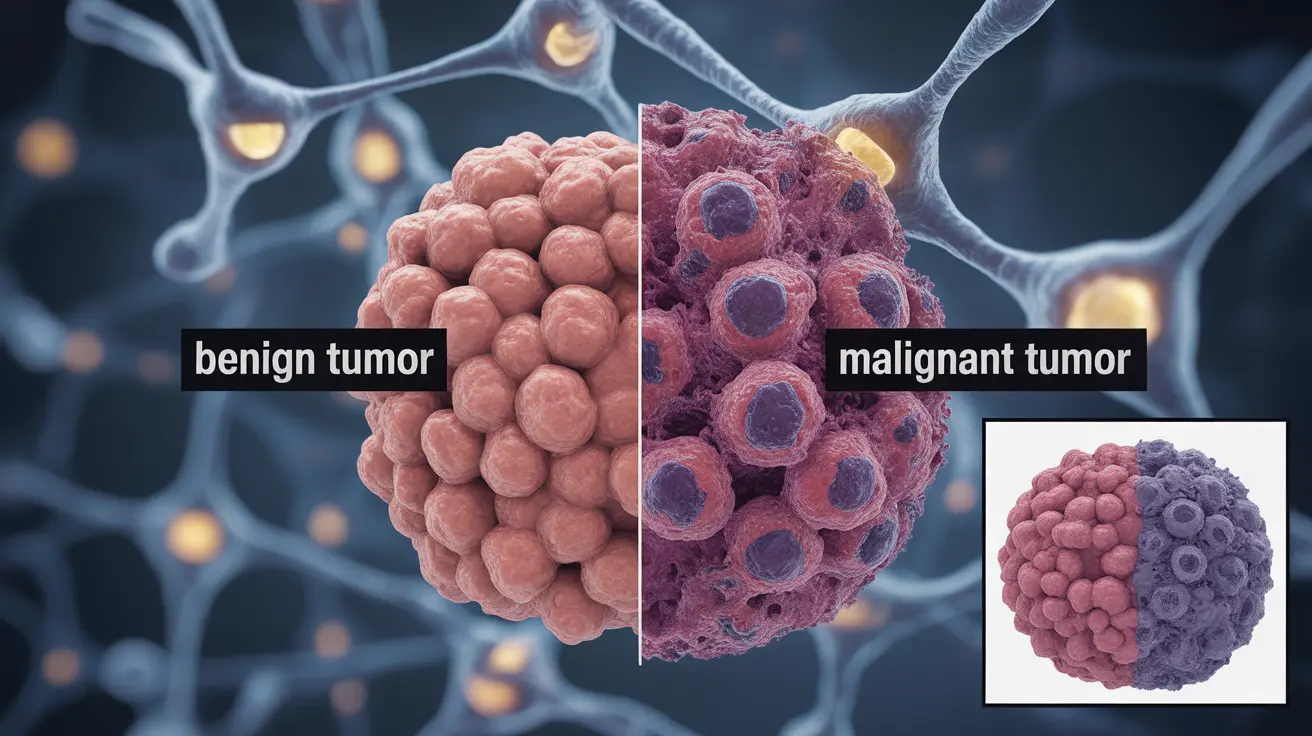
No specific study was identified in the search results that confirms the claim about tumors and treatments. However, recent discussions on cancer recurrence highlight the complexity of treatment outcomes.
Context of the Claim
The phrase “Estudo mostra que não há dois tumores iguais… nem dois tratamentos” translates to “A study shows that there are no two tumors the same… nor two treatments.” While this statement suggests a scientific finding, the available search results do not provide evidence of a specific, verified study addressing this claim. The sources retrieved include dictionary translations of the word “estudo” (study) and a social media post about cancer recurrence, but no peer-reviewed research or institutional report directly supporting the assertion.
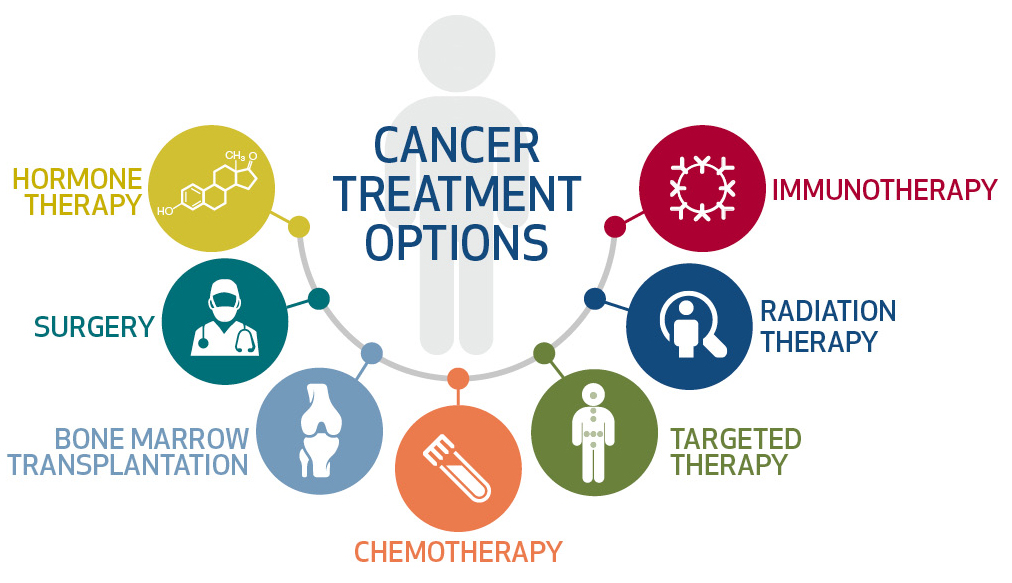
Cancer Recurrence and Treatment Variability
A recent post on Instagram, dated May 12, 2026, notes that “mesmo após um tratamento bem-sucedido, o câncer pode voltar anos depois” (“even after a successful treatment, cancer can return years later”). This observation aligns with established medical understanding that cancer recurrence is a known risk, often attributed to biological factors such as residual cancer cells or genetic mutations. However, the post does not cite a specific study or institution, and its content appears to be a general commentary rather than a formal research finding.
Medical experts emphasize that tumor biology varies significantly between patients, influencing treatment efficacy and outcomes. Factors such as genetic mutations, tumor microenvironment, and patient health status contribute to this variability. While these principles are well-documented in oncology literature, no direct link to the specific claim in the search seed was found in the sources provided.
Limitations of the Search Results
The search results prioritize dictionary definitions of “estudo” and a social media post, neither of which substantiate the claim about tumors and treatments. Official sources, such as government health agencies or academic institutions, were not retrieved. This absence of authoritative material means the claim cannot be independently verified. Readers are advised to consult peer-reviewed journals or reputable medical organizations for detailed information on cancer treatment variability.
The lack of specific data—such as study names, authors, or publication dates—further complicates verification. While the general idea of tumor diversity is widely accepted, the exact phrasing of the claim remains unattributed in the available sources.
Conclusion and Next Steps
The search results do not confirm the existence of a specific study validating the claim about tumor and treatment uniqueness. However, the broader context of cancer recurrence and individualized treatment responses is supported by medical research. For readers seeking detailed information, further investigation into oncology databases or consultations with healthcare professionals is recommended.
