
Google unveiled its latest AI models—Gemini 3.5 Flash and Omni—at I/O 2026, positioning them as direct competitors to OpenAI’s offerings with capabilities spanning coding, multimodal creation, and agentic automation. The rollout marks a strategic pivot toward integrating AI into daily workflows, from shopping to workplace productivity.
Gemini 3.5 Flash: Frontier Performance for Agents and Code
Google’s latest AI push centers on Gemini 3.5 Flash, a model optimized for real-time performance in agentic tasks and coding. Unlike its predecessors, 3.5 Flash delivers frontier intelligence
—a term Google uses to describe capabilities rivaling or exceeding OpenAI’s most advanced models. According to the company’s I/O 2026 keynote, the model excels in autonomous reasoning, dynamic task execution, and adaptive learning
, positioning it as a tool for developers, enterprises, and consumer-facing applications.
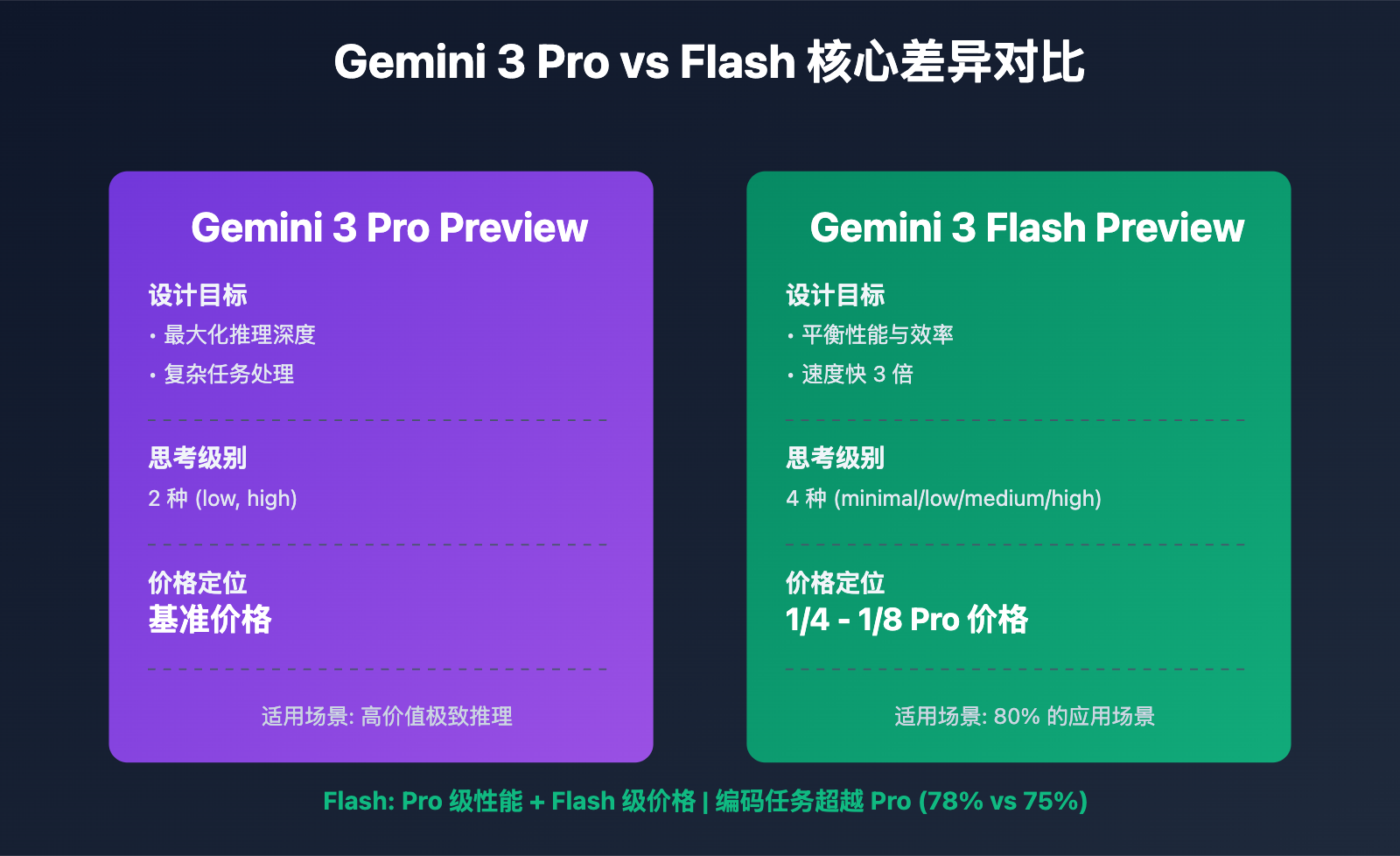
Key differentiators include native support for Android vibe coding—a framework enabling developers to build apps with minimal boilerplate—and deeper integration with Google Workspace. The model’s flash-speed processing is designed to handle latency-sensitive tasks, such as real-time collaboration in Docs or AI-driven email triage in Gmail. Benchmarks cited by Google demonstrate performance improvements in coding benchmarks by up to 40% over earlier Gemini versions, though third-party validation remains pending.
Omni: The Universal Agent for Everyday Tasks
Complementing 3.5 Flash is Gemini Omni, a broader AI system framed as a universal agent
for consumer and enterprise use. Unlike specialized models, Omni is designed to create anything from any input
, starting with video generation from text prompts. Google’s CEO, Sundar Pichai, emphasized its role in bridging AI capabilities across Google’s ecosystem, from the Universal Cart (a shopping aggregator) to intelligent eyewear slated for fall 2026.

Omni’s multimodal prowess extends to Gemini Omni Flash, a lighter variant for on-device processing. This version powers features like real-time translation, photo captioning, and texting via intelligent eyewear—devices that project AR overlays for hands-free interaction. While OpenAI’s models have dominated generative AI, Google’s bet on agentic intelligence
(AI that acts autonomously) signals a shift toward embedded, contextual assistance rather than standalone tools.
The Gemini App and Proactive AI
Google’s I/O 2026 announcements included a redesign of the Gemini app, now featuring a Daily Brief—a proactive summary of news, tasks, and alerts tailored to user behavior. The app’s centerpiece is Gemini Spark, a 24/7 personal agent that handles scheduling, research, and even creative drafting. Early access tests, reported by Google, show Spark reducing user query time by 30% for repetitive tasks like travel planning or expense tracking.
Critically, Google is framing its AI not as a replacement for search but as an augmentation. The new intelligent Search box uses Gemini to surface answers directly in results, while preserving traditional web links. This mirrors Microsoft’s Copilot integration but with a heavier emphasis on Google’s existing infrastructure—Maps, Workspace, and Android.
Competition with OpenAI: A Race for Agentic Dominance
While Google has historically lagged OpenAI in raw model performance, its 2026 strategy focuses on ecosystem lock-in and real-world utility. OpenAI’s models, including GPT-4 Turbo, remain stronger in pure generative tasks, but Google’s advantage lies in seamless integration with Android (70% global market share), Chrome, and Google Cloud. Analysts at Counterpoint Research note that Google’s bet on agentic AI is less about beating OpenAI in benchmarks and more about embedding intelligence into daily routines
.

OpenAI’s response has been muted, but leaks suggest its next iteration, GPT-5, will emphasize multi-agent collaboration
—a feature Google is also prioritizing. The competition is no longer about who has the largest language model but who can orchestrate AI across hardware, software, and services most effectively.
What’s Next: Hardware, Transparency, and Regulatory Scrutiny
Google’s roadmap includes intelligent eyewear (codenamed Project Astra), set for a fall 2026 launch. These devices will use Omni Flash for AR interactions, though battery life and privacy concerns remain unresolved. Additionally, Google is expanding content transparency tools to label AI-generated or edited content, addressing calls for verification in an era of deepfakes and misinformation.
Regulatory challenges loom, particularly in the EU, where the AI Act imposes strict rules on high-risk systems. Google’s models may face compliance hurdles, though the company has emphasized adherence to ethical AI principles
. Meanwhile, competitors like Meta (with Llama 3.1) and Amazon (Q Developer) are accelerating their own agentic AI releases, ensuring the race for dominance extends beyond Google and OpenAI.
For now, Google’s moves signal a clear intent: to transition from a search-centric company to an AI-first infrastructure provider. Whether this strategy succeeds hinges on execution—balancing innovation with the practical needs of its 4 billion monthly users.
