
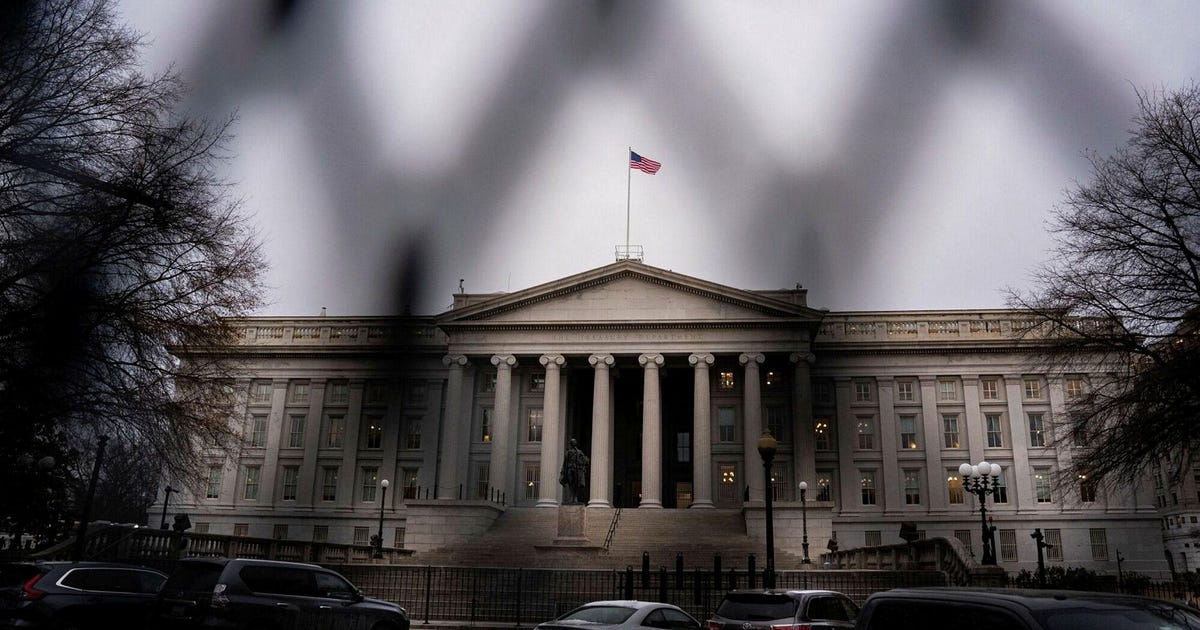
The U.S. bond market is in turmoil after sharp declines in government debt yields sent Treasury security returns to levels not seen since the 2008 financial crisis, as investors brace for escalating inflation fears tied to the Iran conflict. The market’s volatility comes as corporate earnings reports reveal widening disparities between growth sectors—search revenue surged 21% year-over-year, while advertising solutions slipped 4%—highlighting the fragile recovery in consumer-facing industries.
Bond Yields Spike to 2008 Levels on Iran War Fears
Yields on U.S. government bonds jumped to their highest levels in nearly two decades on Wednesday, May 21, as investors reacted to mounting concerns over inflationary pressures exacerbated by the Iran conflict. According to TheMarker, the spike reflects a broader market reassessment of risk, with Treasury yields now mirroring the panic seen during the 2008 financial crisis. The shift underscores how geopolitical tensions—particularly the escalating war in Iran—are directly translating into economic instability, forcing the Federal Reserve to confront a dual challenge: taming inflation while preventing a credit crunch.

The bond market’s reaction is not isolated. Corporate debt markets are also showing strain, with high-yield bond spreads widening as lenders demand higher premiums for perceived risk. While the Federal Reserve has signaled caution about further rate hikes, the bond market’s move suggests investors are pricing in a more aggressive tightening cycle than officials have publicly acknowledged. The divergence between market expectations and policy signals could create volatility in the coming weeks, particularly if inflation data continues to surprise on the upside.
Corporate Earnings Reveal a Divided Recovery
Behind the bond market’s turmoil, corporate earnings reports paint a picture of a recovery that is uneven at best. A major tech company reported a 10 million dollar loss in the first quarter, with search revenue growing by 21% year-over-year—a bright spot in an otherwise mixed performance. However, advertising solutions, which account for 74% of total revenue, declined by 4%, signaling persistent weakness in consumer spending. The disparity between search growth and advertising declines highlights how digital platforms are adapting to shifting consumer behavior, but it also raises questions about the sustainability of revenue streams in a high-interest-rate environment.

For more on this story, see Trump’s Crypto Flip: From Bitcoin Skeptic to $3B Crypto Portfolio in 2 Years.
As Sponser.co.il noted, the earnings report underscores a broader trend: while some tech sectors are thriving, others—particularly those tied to discretionary consumer spending—remain under pressure. The decline in advertising revenue, for instance, could be a leading indicator of weakening consumer confidence, which has been eroded by rising prices and geopolitical uncertainty. If advertising trends continue downward, it could force companies to cut costs, potentially leading to layoffs in the tech sector—a scenario that would further dampen economic growth.
Consumer Confidence at Risk as Inflation and War Collide
The bond market’s reaction and the corporate earnings report together suggest a perfect storm for consumer confidence. Rising bond yields increase borrowing costs for everything from mortgages to credit cards, while the Iran conflict is driving up energy prices—both of which directly impact household budgets. The combination of higher interest rates and inflationary pressures is likely to weigh on consumer spending, which is already showing signs of strain.
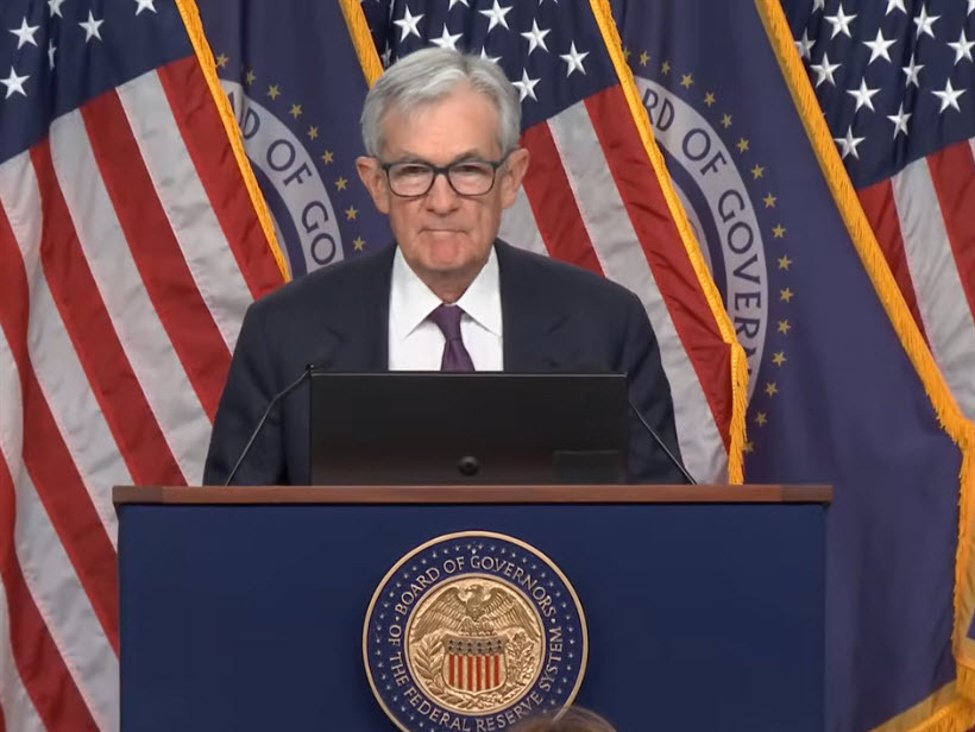
Historically, periods of geopolitical instability have led to reduced consumer spending as households prioritize savings over discretionary purchases. If the current trend continues, we could see a repeat of the 2022 scenario, where inflation and supply chain disruptions led to a sharp pullback in consumer activity. The Federal Reserve’s next moves will be critical: if they fail to balance inflation control with economic stability, the risk of a recession in the latter half of 2026 could become a reality.
What Comes Next: Market Watchers Brace for Volatility
The bond market’s spike and the mixed earnings report set the stage for a volatile period ahead.
- Federal Reserve Policy: Will the central bank respond to the bond market’s move by signaling a more hawkish stance, or will they attempt to calm markets with reassurances? Any shift in tone could send ripples through global financial markets.
- Inflation Data: The next Consumer Price Index (CPI) report will be critical. If inflation shows signs of accelerating, bond yields could climb even higher, putting further pressure on consumer spending.
- Geopolitical Developments: The situation in Iran remains fluid. Any escalation in the conflict could lead to further spikes in energy prices, exacerbating inflationary pressures and deepening the economic downturn.
For now, the bond market’s reaction serves as a warning: the economic recovery is far from secure. The combination of geopolitical risks, inflationary pressures, and corporate earnings volatility suggests that the road ahead will be bumpy. Investors, policymakers, and consumers alike would be wise to prepare for a period of heightened uncertainty.
The question now is whether the Federal Reserve can navigate this storm without triggering a deeper downturn. The bond market’s message is clear: the risks are rising, and the window for policy action is narrowing.
