

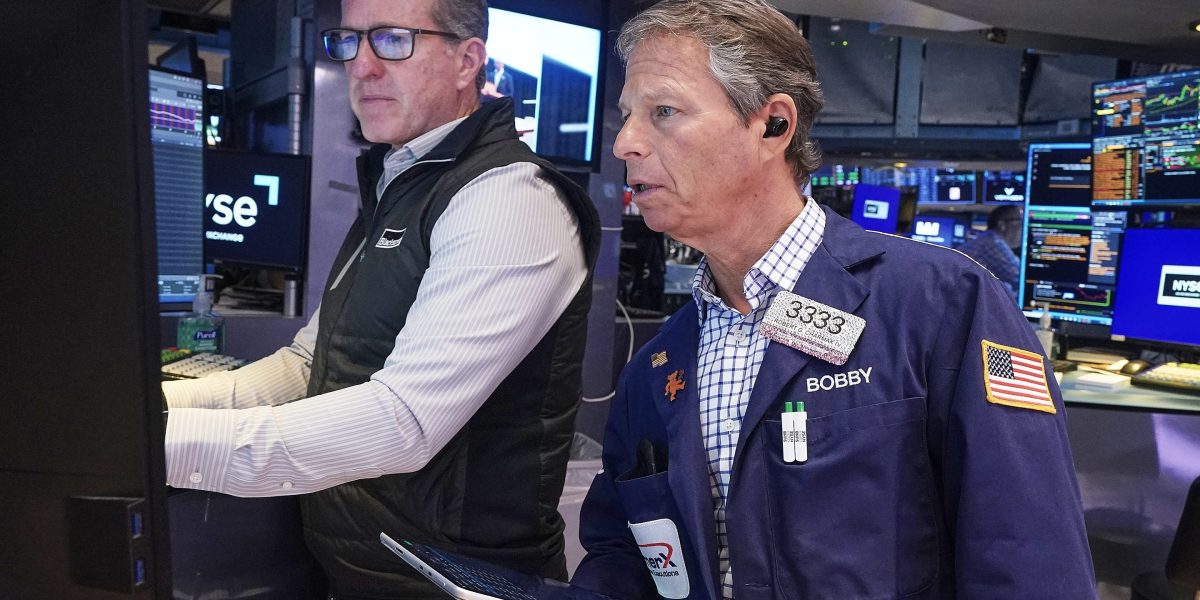
The Dow Jones Industrial Average climbed 201 points to a record high on Wednesday, May 27, 2026, as oil prices retreated, while the S&P 500 pulled back amid a pause in the AI-driven chip rally that has propelled Micron Technology and SK Hynix into the $1 trillion market cap club. The market’s mixed signals reflect deeper tensions between Wall Street’s AI euphoria and the lingering risks of a semiconductor bubble.
Micron and SK Hynix Cross $1 Trillion Threshold Amid AI-Driven Valuation Concerns
The AI Chip Bubble: Why Micron’s $1 Trillion Rally May Be Overstated
Micron Technology’s stock surged 19.3% on Tuesday to cross the $1 trillion market cap threshold, joining SK Hynix as the latest semiconductor giants to ride the AI wave. But the euphoria is already showing cracks. While UBS analysts led by Timothy Arcuri raised their 12-month price target for Micron from $535 to $1,625, citing long-term AI demand, the stock’s 1% dip on Wednesday signaled a correction. The broader S&P 500 ticked 0.1% lower, with chip stocks like Intel (-4%) and Qualcomm (-8%) underperforming.
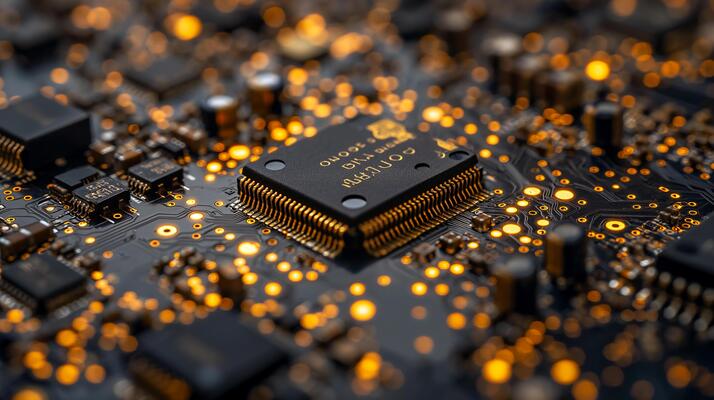
The disconnect highlights a key question: Are these valuations justified, or is the market pricing in a speculative bubble? Eric Parnell, chief market strategist at Great Valley Advisor Group, warned that "the current valuations associated with many of the semiconductor stocks have gotten extremely frothy and way ahead of themselves." His caution mirrors historical patterns—boom cycles in tech stocks have often been followed by busts. The warning comes as Micron’s shares have more than tripled in 2026 alone, a pace that even bullish analysts may struggle to justify.
Iran’s Strait of Hormuz Claims Send Oil Prices Swinging Amid Geopolitical Uncertainty
Oil’s Volatile Role: The Strait of Hormuz Wildcard
The Dow’s 0.4% gain owed much to a 4% drop in U.S. crude oil prices, which fell to around $90 a barrel after Iranian state media claimed the country would restore commercial traffic through the Strait of Hormuz within a month. But the White House swiftly dismissed the report as a "complete fabrication," underscoring the geopolitical tightrope markets now walk. Oil prices remain a wild card: Brent crude rose 3.5% to $96.67, while U.S. crude settled at $93.89, reflecting ongoing tensions in the Persian Gulf.
For more on this story, see Micron Hits $1T Valuation After AI-Driven 19% Stock Surge.
The Strait’s closure has disrupted global oil flows, driving inflation and volatility. Yet hopes for a deal—fueled by President Donald Trump’s comment that negotiations with Iran were "proceeding nicely"—have repeatedly lifted markets, only to be dashed by renewed fighting. The cycle of optimism and disappointment is testing investor patience. For now, the Dow’s record high suggests traders are betting on a resolution, but the S&P 500’s pullback hints at skepticism.
JPMorgan’s $20 Billion Acquisition Plan Signals Financial Sector’s High-Risk Growth Strategy
The $20 Billion Question: JPMorgan’s Acquisition Ambitions
JPMorgan Chase’s 3% decline on Wednesday sent another signal: even Wall Street giants are feeling the pressure. CEO Jamie Dimon revealed the bank could spend up to $20 billion on an acquisition "in the next couple years," a move that could reshape the financial landscape. The announcement came as banks grapple with rising interest rates and thinning margins. While Dimon’s comment suggests confidence in deal-making, the market’s reaction underscores the risks—especially in a high-rate environment where leverage is costly.
The timing is telling. JPMorgan’s stock has lagged behind the broader market in recent months, and Dimon’s acquisition plans may reflect a strategic pivot to growth areas like AI infrastructure or fintech. But the $20 billion figure is a reminder that even behemoths aren’t immune to valuation pressures. For investors, the question isn’t just if JPMorgan will buy, but what it will pay—and whether the targets are priced for perfection.
Market Scenarios: Will AI Hype Sustain Momentum or Trigger a Correction?
The next 30 days will test whether the AI rally can sustain momentum or if the correction is just beginning.

- AI Hype Holds: If UBS’s bullish targets prove accurate—and Micron’s memory chip demand remains robust—the S&P 500 could rebound. But this scenario assumes no slowdown in AI adoption, a big "if" given how speculative current valuations are.
- Correction Deepens: If oil prices spike again or geopolitical tensions flare, the chip rally could stall. Intel and Qualcomm’s recent drops suggest investors are already pricing in caution.
- Mixed Bag: The Dow’s record high and the S&P’s pullback may reflect a bifurcated market—where defensive stocks (like airlines and cruise lines) benefit from lower oil prices, while growth names (like Micron) face valuation risks.
The wild card remains Iran. If the Strait of Hormuz reopens, oil prices could drop further, easing inflation pressures. But if fighting escalates, the market’s optimism could evaporate overnight. For now, the Dow’s record is a fleeting moment—what matters is whether the rally has legs or is just a blip in a larger correction.
