
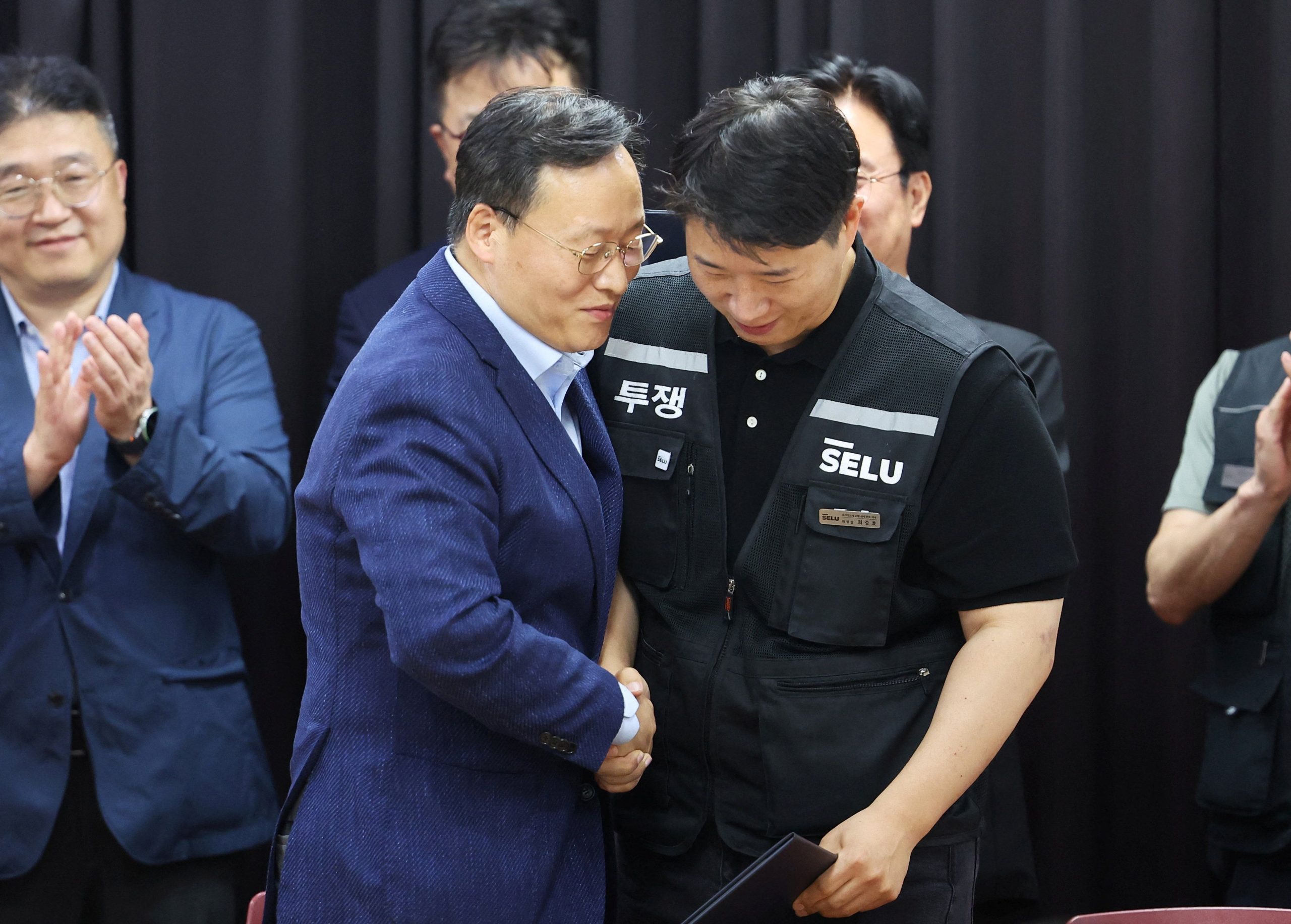
Samsung Electronics has reached a landmark agreement with its union, securing a 10.5% share of operating profits for memory division employees and triggering a potential shift in South Korean labor dynamics. The deal, approved by 73% of unionized workers, includes a 6.2% base salary increase and a 10-year performance-linked bonus structure, with some employees set to receive up to 509 million won (290,000 euros) annually Le Figaro.
The Agreement Details: A First for South Korean Corporations
This pact marks the first time a major South Korean company has tied employee compensation directly to pre-tax operating profits, a departure from global norms where bonuses are typically calculated after taxes. The agreement, brokered with the help of the government, averts a potential 18-day strike and sets a precedent for profit-sharing models in the country’s corporate sector Zonebourse Suisse. Under the terms, 78,000 employees in the semiconductor division will receive 10.5% of the department’s operating profits in shares, plus an additional 1.5% in cash, with payouts contingent on meeting performance targets.

The structural shift represents a significant departure from the traditional rigid wage systems that have historically characterized the South Korean conglomerate landscape. By pegging the bonus to pre-tax figures, the agreement effectively grants employees a direct stake in the company’s gross operational success. The 10-year duration of the agreement provides a long-term framework intended to stabilize labor relations at a time when the company is heavily investing in high-end semiconductor production to meet global demand.
Financial Implications: A Windfall for Employees
The average bonus of 509 million won (290,000 euros) reflects a 750% surge in Samsung’s first-quarter operating profits, driven by surging demand for AI-driven memory chips. This figure, calculated based on an expected 331 trillion won in operating profits for the division, could see some employees receiving up to 416,000 euros in total bonuses, as the 50% cap on performance-linked pay was lifted Le Figaro. The deal also includes a base salary increase of 6.2%, with the entire package spanning a decade.
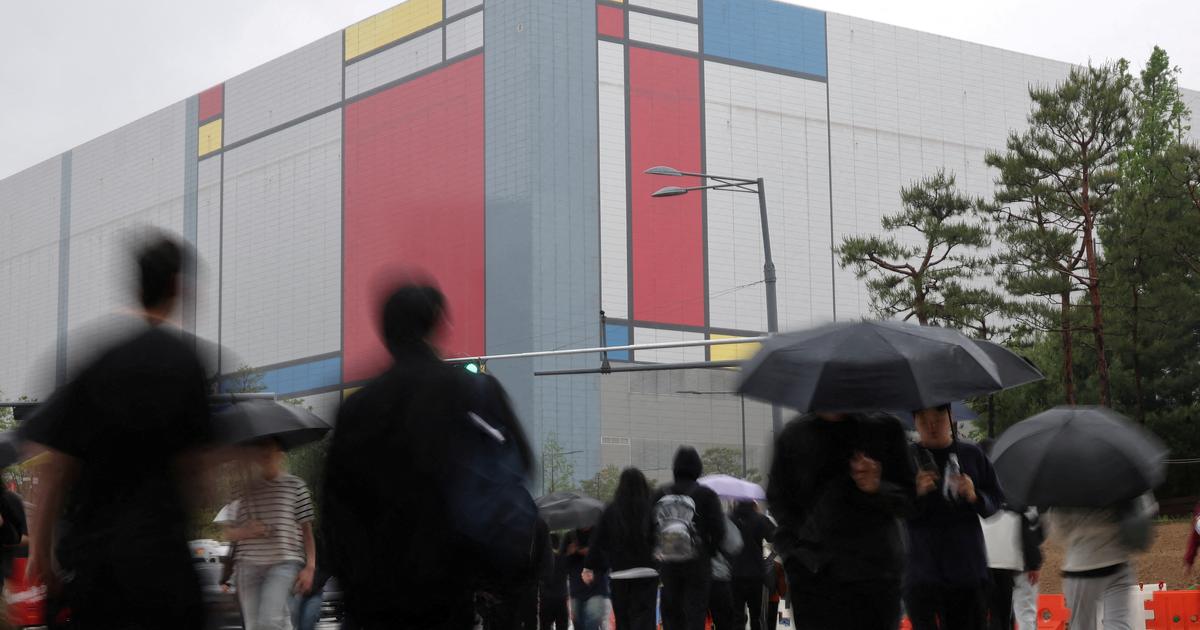
The removal of the 50% performance-linked pay cap is a critical component of the deal, allowing for substantially higher individual earnings during periods of extreme profitability. This mechanism is directly tied to the current market cycle for memory chips, where Samsung has seen margins expand as a result of the integration of AI capabilities into its product lines. Financial analysts monitoring the sector note that while the payout levels are unprecedented for the region, the company’s ability to fund these bonuses is underpinned by the significant increase in operating profits observed in the most recent quarter.
Union and Employer Reactions: A Delicate Balance
The agreement has drawn both praise and caution. While union leaders hailed it as a breakthrough, business groups like the Federation of Korean Industries warned against generalizing the model, arguing it could fuel unrealistic demands across sectors. “This reflects Samsung’s unique circumstances,” a federation spokesperson stated, emphasizing the need to avoid “excessive” profit-sharing proposals Zonebourse Suisse. Meanwhile, President Lee Jae Myung expressed concerns about the precedent, noting that even investors receive dividends after taxes, not pre-tax profits.
The reaction from the Federation of Korean Industries reflects a broader apprehension among corporate management that the Samsung agreement could destabilize labor markets by creating a benchmark that other firms cannot afford to match. The tension between the union’s pursuit of profit-sharing and the government’s concern over corporate governance standards underscores the complex political environment in which this deal was negotiated. The government’s intervention was instrumental in preventing the 18-day strike, highlighting the critical nature of Samsung’s operations to the national economy.
Broader Impact: A Potential Catalyst for Labor Movements
Experts suggest the deal could embolden other South Korean unions to push for similar arrangements, particularly in tech and manufacturing. Kim Keechang, a law professor at Seoul National University, warned that “this might ignite a new wave of demands” across industries. However, the agreement’s success hinges on Samsung’s ability to meet its performance targets, which remain tied to volatile global AI and semiconductor markets. As the country’s economic powerhouse, Samsung’s model may reshape labor negotiations in a nation known for its rigid corporate hierarchies and historically low wage growth.

The focus on performance-linked pay marks a potential transition toward a more meritocratic—or at least more transparent—compensation culture. However, the long-term viability of the 10-year payout structure remains subject to the cyclical nature of the semiconductor industry. If global demand for AI chips were to contract, the financial commitment to employees could theoretically place pressure on the company’s capital expenditure and research and development budgets. Despite these risks, the current agreement is viewed as a strategic necessity to secure the workforce required for Samsung’s aggressive expansion in the AI sector, marking a significant evolution in South Korean industrial relations.
