
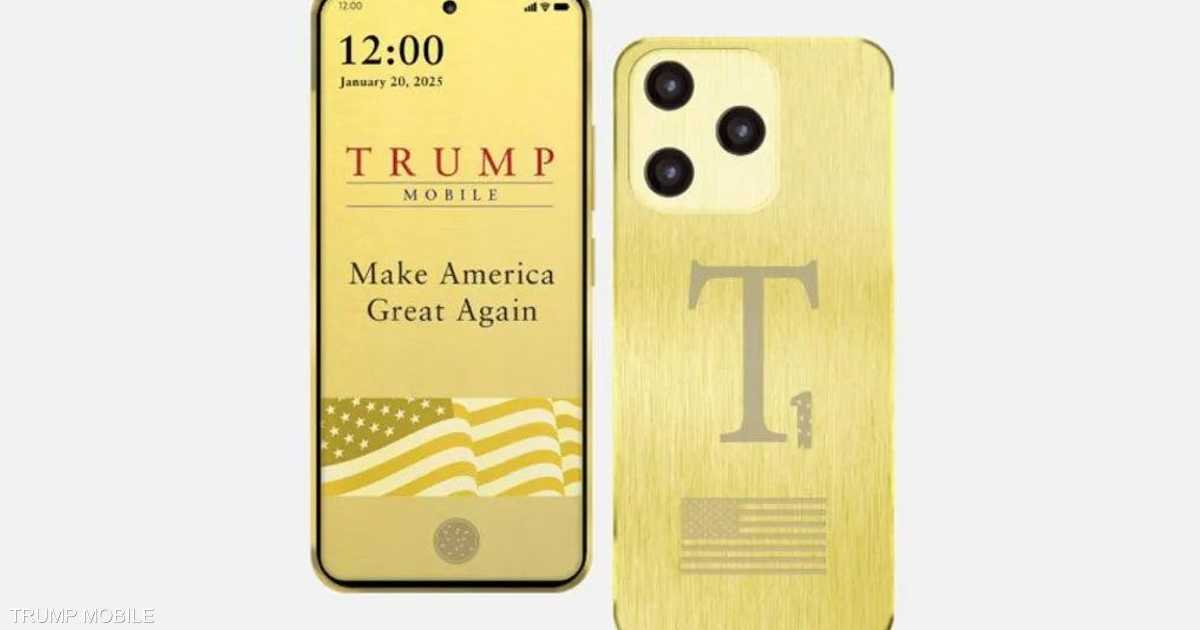
Trump Mobile is investigating a potential data breach affecting approximately 27,000 individuals who applied to purchase its T1 smartphone. While the company stated it found no evidence of direct infrastructure hacking, the incident has exposed customer names, email addresses, mailing addresses, and phone numbers, raising concerns as the firm begins product distribution.
A Security Lapse During the T1 Smartphone Rollout
The launch of the T1 smartphone, a device marketed by a company associated with former President Donald Trump, has transitioned from a commercial milestone to a digital security crisis. After facing a roughly 10-month delay and abandoning its initial promise to manufacture the devices within the United States, the company began distributing the handsets this week. However, the rollout was immediately overshadowed by reports of a significant vulnerability in the firm’s online ordering system.

According to reporting from Sky News Arabia, the vulnerability exposed the personal data of roughly 27,000 people who had registered for the phone. The breach was not initially identified by the company’s own security teams but was instead brought to light by an Australian software developer who discovered the flaw while interacting with the site.
The incident has drawn comparisons in the tech sector to other e-commerce security failures where misconfigured API endpoints allowed unauthorized access to user databases. While Trump Mobile has not released a formal 8-K filing or regulatory disclosure regarding the breach, the nature of the exposure has prompted immediate scrutiny of the firm’s digital infrastructure. Unlike established telecommunications hardware providers that typically undergo rigorous SOC 2 compliance audits before consumer rollout, this launch has faced questions regarding the oversight of its third-party web development vendors.
Scope of the Exposed Customer Data
The compromised information appears to be limited to contact and identification details rather than sensitive financial instruments. Youm7 reports that the affected data includes full names, email addresses, physical mailing addresses, order identifiers, and mobile phone numbers.
In a statement provided to the Guardian, Trump Mobile addressed the technical failure, clarifying the extent of the impact on their systems:
“At the present time, it does not appear that the incident involves payment card information, banking information, social security numbers, call records, text messages, or other sensitive financial data. The information affected currently appears to be limited to some customer data, including names, email addresses, mailing addresses, and mobile phone numbers.” Trump Mobile, via Sky News Arabia
The company emphasized that it is currently conducting an investigation into the matter, specifically utilizing external support to verify the integrity of its networks.
“With the help of independent cybersecurity experts.” Trump Mobile, via Youm7
Industry analysts have noted that while the exclusion of payment data mitigates the immediate risk of financial fraud for the 27,000 affected customers, the exposure of home addresses and mobile numbers presents a heightened risk of targeted phishing and social engineering campaigns. The company has not yet provided a date for when it will notify the affected users individually, nor has it disclosed whether it has notified state attorneys general, a standard practice in many jurisdictions following a data breach of this scale.
Systemic Vulnerabilities and the “Shopping Cart” Flaw
Technical analysis suggests the issue was not a sophisticated external hack but rather an open vulnerability in how the website processed user data. Jonathan Soma, a programmer and professor at Columbia University in New York, noted that the site’s architecture was capturing and potentially exposing data even from users who abandoned their purchase process.
According to Okaz, the discovery that the system stored data for users who left items in their digital shopping carts without finalizing a transaction significantly increased the number of people impacted. This has led to broader criticism regarding the technical readiness of the project, which had been heavily marketed as a premium, secure alternative to mainstream smartphones. The flaw, described by security researchers as an “insecure direct object reference” (IDOR) vulnerability, allowed observers to iterate through order IDs to pull sensitive customer records.
Following the revelation of the breach, the company has urged its customers to remain vigilant. In its communication, the firm warned users to exercise caution regarding any suspicious emails, calls, or text messages claiming to be related to their orders. The company explicitly stated that it would not request payment details, passwords, or other highly sensitive information through unsolicited communications.
Implications for the Trump Mobile Brand
The timing of this security lapse is particularly problematic for the brand. The T1 smartphone was positioned as a product aligned with specific political and nationalistic branding. However, the contrast between that positioning and the reality of the data leak has drawn significant scrutiny.

As the investigation continues, the company maintains that it has found no evidence that its core infrastructure or internal network was directly breached. Nevertheless, for the 27,000 individuals affected, the incident serves as a stark reminder of the risks associated with ordering products from platforms that may lack the robust security protocols expected of major telecommunications providers. The company has not yet provided a timeline for the conclusion of its independent audit, nor has it confirmed if it intends to offer credit monitoring services to the impacted customer base, a common industry response to similar data leaks.
The incident has also raised questions among stakeholders regarding the oversight of the company’s supply chain and digital sales operations. While the company has previously touted its “America First” manufacturing goals, the reliance on a web platform that proved susceptible to basic enumeration attacks suggests that the firm’s focus on hardware branding may have outpaced its attention to digital operational security. As of May 23, 2026, there have been no public statements from regulatory bodies, such as the Federal Trade Commission, regarding a potential inquiry into the company’s data handling practices.
