
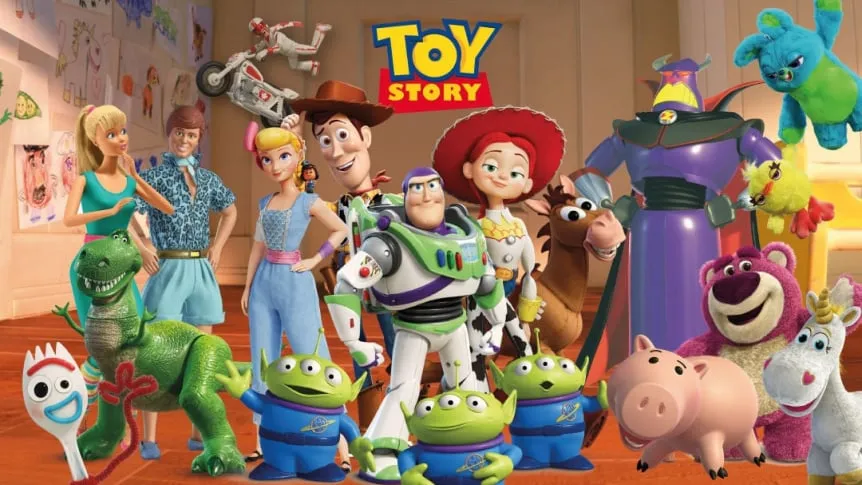
As of May 23, 2026, social media trends have popularized speculative visual mashups, with one prominent example reimagining the animated series Paw Patrol characters as figures within the Toy Story cinematic universe. The concept, which has gained traction in digital gaming and fan communities, explores how popular children’s characters might appear if adapted into iconic plastic-based aesthetics.
Visualizing Paw Patrol in the Toy Story Aesthetic
The latest trend in character reimagining involves placing the well-known Paw Patrol pups into the iconic, high-fidelity world of Pixar’s Toy Story. According to reporting from TyC Sports, this fan-driven design project envisions characters like Chase and Marshall not as living animals, but as highly detailed, collectible action figures.

In these digital renderings, Chase is depicted with articulated mechanical joints and detachable accessories, while Skye features shimmering, collectible-style wings. Marshall, meanwhile, is designed with the glossy plastic finishes characteristic of classic Pixar-style toys. The environments supporting these characters are equally transformed, featuring oversized bedroom settings, toy boxes, and miniature cityscapes constructed from building blocks.
This trend reflects a broader interest in the intersection of digital media and physical product design. Fans and digital artists are increasingly utilizing high-end rendering software to simulate the specific textures of injection-molded plastic, creating images that mimic the marketing materials for premium toy lines. By stripping away the organic, fur-like textures of the original Paw Patrol designs, creators are effectively recontextualizing the characters to fit the established visual language of the Toy Story franchise, which has long relied on the aesthetic of consumer-ready playthings.
The Linguistic Importance of the Word Cómo
While the visual mashup of Paw Patrol and Toy Story has dominated recent social media engagement, the word used to describe these scenarios—cómo—holds its own distinct weight in the Spanish language. As noted by Spanish Step, the term is a fundamental interrogative adverb that serves as the primary way to inquire about method, manner, or process.
For more on this story, see Paw Patrol in the Pinocchio Universe: How They’d Look in TyC Sports’ Exclusive Concept.
The word’s etymology traces back to the Latin quomodo, a combination of quo (by which) and modo (manner). This historical root establishes the modern usage of the word as a tool for seeking clarification.
- Interrogative: Asking “how” in questions regarding method or state of being.
- Exclamatory: Expressing surprise, admiration, or emotional emphasis.
- Clarification: Used in conversation to ask someone to repeat a previous statement.
Understanding the distinction between cómo and como is a critical milestone for language learners. As explained by Kwiziq, the presence of an accent mark is the deciding factor in meaning. While cómo (with an accent) is used for questions and exclamations, como (without an accent) functions as a conjunction meaning "as" or "like," or as the first-person conjugation of the verb comer (to eat).
Grammatical Nuances and Exclamatory Usage
The versatility of cómo extends into exclamatory sentences, where it acts as a vehicle for emotional intensity rather than a request for information. This usage is common when a speaker wishes to emphasize the degree of an action or an observation. In Spanish linguistics, the accentuation on the first syllable is not merely a stylistic choice but a functional requirement to differentiate the interrogative adverb from its homographic counterparts.

This grammatical requirement ensures that the reader or listener can immediately distinguish between a question—such as ¿Cómo lo hiciste? (How did you do it?)—and a statement of comparison, such as Lo hice como tú (I did it like you). The nuance provided by the tilde is essential for maintaining the clarity of intent in both written and spoken communication.
The application of this term is particularly relevant when discussing the technical processes behind digital art. When fans inquire about the creation of these toy-themed mashups, they rely on the interrogative cómo to probe the software, rendering techniques, and design philosophies employed by digital artists. This linguistic precision allows for a deeper exploration of the creative workflow.
Integration of Digital Culture and Language
This phrase highlights the core interrogative function that remains constant even when the word is deployed in complex or indirect sentences. Whether one is analyzing why a digital artist chose to render a toy character in a specific way or attempting to master the intricacies of Spanish grammar, the focus remains on the "how"—the method behind the result.
As the digital landscape continues to evolve through the intersection of pop culture, animation, and language learning, the ability to discern the meaning behind these terms—and these visual trends—remains a key skill for global audiences. The current interest in these character crossovers suggests that fans remain deeply invested in seeing their favorite childhood icons recontextualized through the lens of modern, high-quality digital design. This ongoing engagement with visual transformation, paired with an appreciation for the linguistic tools used to discuss them, demonstrates the multifaceted nature of contemporary online discourse.
