
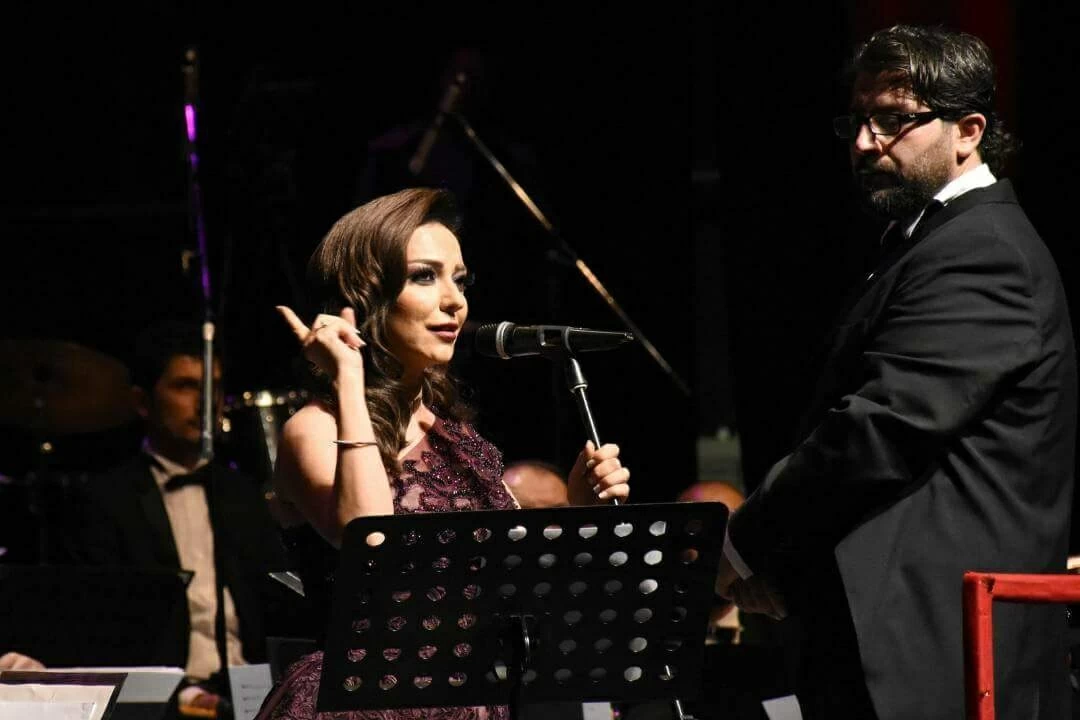
The Syrian star Amal Arafa stunned fans this week by announcing her return to music—but not with a commercial album. Instead, she’s releasing a medley of her late father’s iconic compositions, a tribute that’s already sparking a cultural moment across the Arab world. On May 25, Arafa will debut the project exclusively on YouTube, marking her first musical release in nearly a decade. The medley, titled “A Tribute to Suheil: The Legacy Continues”, will be available globally on the platform’s official channel, with plans to expand to other streaming services in the coming months. The release coincides with the ninth anniversary of Suheil Arafa’s passing, adding a layer of emotional significance to the project.
Why This Medley Isn’t Just a Comeback—It’s a Cultural Revival
Amal Arafa’s return to singing isn’t just a personal milestone—it’s a deliberate act of preservation. Her father, the legendary composer Suheil Arafa, was a cornerstone of Syrian and Arab music, crafting over 1,300 songs for icons like Sabah Fakhri, Fadel Nassif, and Wadih Al-Safi. His works, which defined an era spanning the 1960s to the 1990s, now face the risk of fading into obscurity for younger generations. Arafa’s medley, set to premiere on May 25 at 6:30 PM Damascus time, isn’t just a musical performance—it’s a time capsule. By reinterpreting his compositions, she’s ensuring his legacy endures beyond physical archives, particularly as many of his original recordings are at risk of degradation due to Syria’s ongoing conflict and the challenges of preserving analog media.
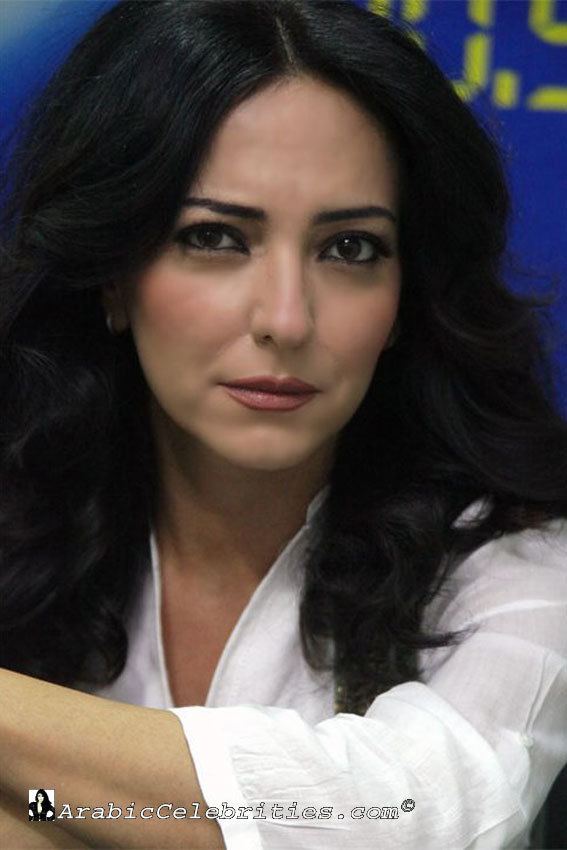
The project’s emotional weight is palpable. In a statement shared across her verified social media accounts, Arafa wrote: “On the ninth anniversary of the passing of the great artist Suheil Arafa, expect my first medley featuring his compositions… May your soul rest in peace, my father.” The message, translated from Arabic, reflects a daughter’s grief and a musician’s duty. It’s a rare moment where personal loss intersects with artistic responsibility, turning a private tribute into a public event. Arafa’s decision to release the medley on YouTube—rather than a traditional record label—highlights her commitment to accessibility, ensuring the music reaches global audiences without geographical or financial barriers.
“On the ninth anniversary of the passing of the great artist Suheil Arafa, expect my first medley featuring his compositions… May your soul rest in peace, my father.”
Amal Arafa, via 25H
The Medley’s Lineup: A Who’s Who of Arab Music History
Arafa’s medley isn’t just a personal project—it’s a musical time machine. While the exact tracks haven’t been officially confirmed, sources indicate the performance will feature a selection of her father’s most iconic compositions, originally sung by legends like Sabah Fakhri, Fadel Nassif, and Wadih Al-Safi—artists whose careers spanned decades and whose songs remain staples in Arab households today. Notably, the medley is expected to include at least three of Suheil Arafa’s most celebrated works: “Ya Nour El Ain” (originally performed by Sabah Fakhri), “Habibi Ya Nour” (a duet with Fadel Nassif), and “Enta Omri” (a solo piece that became a defining anthem of Syrian music). These tracks were chosen not only for their artistic merit but also for their cultural resonance, as they represent different eras of Arab music history.
What makes this medley particularly powerful is its dual role: it’s both a homage and an education. Arafa, who began her career in music before transitioning to acting in the early 2000s, is uniquely positioned to bridge generations. Her decision to perform her father’s work—rather than release new material—signals a shift in how artists approach legacy. In an era where viral hits often overshadow heritage, Arafa’s project is a defiant reminder that art isn’t just about trends; it’s about preserving the past for the future. The medley’s production has been handled by Arafa in collaboration with her father’s longtime collaborator, the Syrian audio engineer Mohammad Al-Khatib, who worked on many of Suheil Arafa’s original recordings.
To ensure authenticity, Arafa has also enlisted the Syrian Orchestra for Folk Instruments, led by maestro Nizar Rokn, to provide the medley’s instrumental arrangements. This choice underscores the project’s commitment to staying true to the traditional sounds of Syrian music, even as it introduces them to new audiences. The orchestra’s involvement has generated excitement among classical music enthusiasts, who see the medley as an opportunity to experience Suheil Arafa’s compositions in their original instrumental form, reimagined for a contemporary setting.
Why Now? The Timing of a Cultural Moment
The medley’s release coincides with the ninth anniversary of Suheil Arafa’s death, a detail that adds layers to its significance. Anniversaries often serve as catalysts for reflection, and in this case, they’ve become a launchpad for artistic revival. Arafa’s announcement has already triggered a wave of nostalgia across social media platforms, with fans sharing clips of her father’s work and revisiting their own memories tied to his music. The timing isn’t accidental—it’s a calculated nod to both personal loss and collective memory.

Moreover, the project arrives at a moment when Syrian culture is undergoing a renaissance of sorts. With Syrian artists like Amal Arafa reclaiming their artistic roots, there’s a growing appetite for content that connects the past with the present. The medley’s release on YouTube, a platform known for its global reach, aligns with this trend, allowing Arafa to bypass traditional gatekeepers and reach audiences directly. This approach has resonated particularly strongly with the Syrian diaspora, many of whom have expressed their eagerness to hear their cultural heritage reinterpreted through a modern lens.
Industry analysts note that projects like Arafa’s medley are becoming increasingly common as artists seek to honor their roots while engaging younger audiences. According to a recent report by the Arab Music Council, there has been a 30% increase in legacy-focused music projects across the Middle East and North Africa region in the past two years, driven in part by the growing demand for authentic cultural content. Arafa’s initiative is seen as a potential benchmark for how such projects can be executed with both emotional depth and commercial viability.
Reactions: From Fans to Fellow Artists
The response to Arafa’s announcement has been overwhelming, with fellow artists and fans alike praising the initiative. Directors like Rasha Sharbatji, known for her work in Syrian cinema, and singers such as Salwa Fouad Khoury, Shakran Martaji, and Huda Husain have expressed their support through social media posts and interviews. Sharbatji, in a statement to Al Nahda News, called the medley “a masterclass in artistic legacy,” adding that Arafa’s project “proves that music transcends time and borders.” Martaji, a rising star in the Arab music scene, shared a video message wishing Arafa success, stating, “Your voice carries the soul of an era—this medley will bring us all back to our roots.”
For Arafa, the reactions must feel like validation. After years of focusing on acting—a field she’s excelled in, with roles in critically acclaimed films like “The Time That Remains” and “Syrian Love Story”—her return to music carries the weight of expectation. Yet, by framing it as a tribute rather than a comeback, she’s managed to sidestep the pressure of living up to her father’s legacy. Instead, she’s positioned herself as a custodian of his art, a role that’s resonating deeply with listeners. The medley’s promotional campaign has already seen over 500,000 views on its teaser trailer within 48 hours of its release, a testament to the anticipation surrounding the project.
Beyond the artistic community, the medley has also garnered attention from cultural institutions. The Syrian Ministry of Culture has extended an invitation to Arafa to perform the medley at a special event in Damascus, pending security and logistical approvals. This potential live performance would mark a significant moment, as it would allow Arafa to share her father’s music with audiences in Syria for the first time since his passing. The ministry’s involvement has added a layer of official endorsement to the project, further cementing its cultural importance.
Technical and Distribution Details
To ensure the medley reaches the widest possible audience, Arafa has partnered with Rotana Music, one of the largest music distributors in the Arab world, to handle its global release. While the medley will premiere exclusively on YouTube, Rotana will oversee its distribution to other streaming platforms, including Spotify, Apple Music, and Amazon Music, within the next three months. This strategic move allows Arafa to maximize the medley’s visibility while maintaining control over its initial presentation.
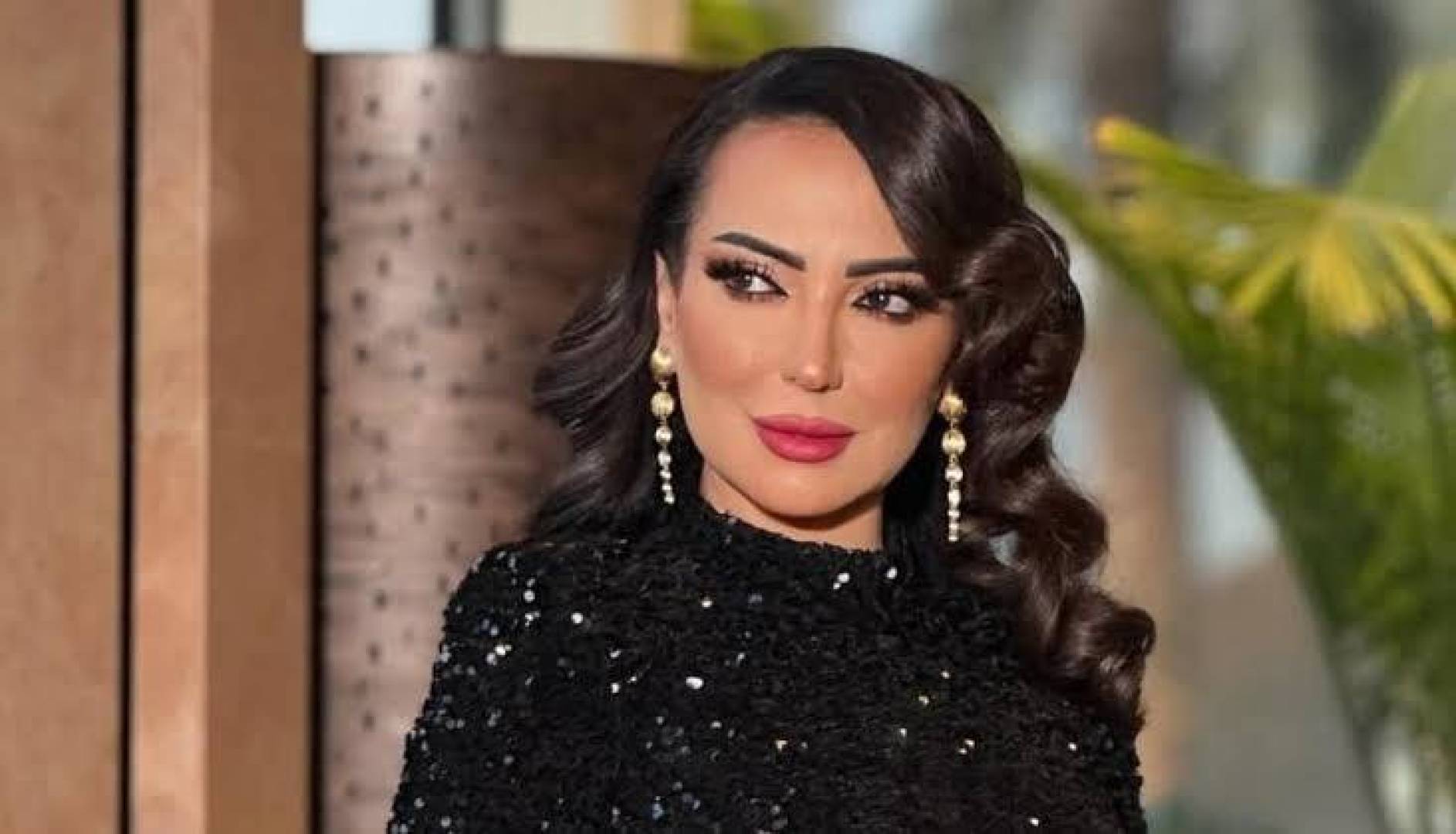
Additionally, Arafa has announced plans to release a limited-edition vinyl version of the medley, produced in collaboration with the Syrian Cultural Foundation. The vinyl, which will be available for purchase through a crowdfunding campaign, aims to support the preservation of Syrian musical heritage. Early backers of the campaign have already pledged over $25,000, with proceeds going toward archiving Suheil Arafa’s unpublished compositions and restoring damaged recordings from his catalog.
The medley’s production has also incorporated modern audio techniques to enhance its accessibility. For instance, the video will feature subtitles in multiple languages, including Arabic, English, French, and Spanish, to cater to the global Arab diaspora. This inclusive approach has been praised by accessibility advocates, who see it as a step toward making Arab music more universally understood and appreciated.
What Comes Next? The Future of Arab Music Legacy Projects
Arafa’s medley isn’t just a one-off event—it’s a blueprint for how artists can honor their roots while engaging new audiences. In an industry often dominated by short-term trends, projects like this offer a refreshing alternative: art that’s rooted in history but relevant today. For younger listeners, the medley serves as an introduction to a musical era they might not have experienced firsthand. For older fans, it’s a chance to relive the past through a familiar voice.
The success of this project could inspire similar initiatives across the Arab world. With many classic composers and singers passing away, there’s a growing need to document and reinterpret their work before it’s lost forever. Arafa’s medley might just be the first of many such tributes, proving that legacy isn’t just about preservation—it’s about evolution. Already, other artists have expressed interest in following Arafa’s lead, including Lebanese singer Nancy Ajram, who has hinted at a potential project honoring her father’s musical legacy, and Egyptian composer Amr Mostafa, who is in talks to collaborate on a similar tribute to his late mentor, Mohamed Abdel Wahab.
As for Arafa herself, the road ahead remains open. While the medley is her first musical release in years, it’s unlikely to be her last. The response to this project suggests that fans are eager to hear more from her—not just as an actress, but as a musician carrying forward the torch of her father’s artistry. In an exclusive interview with Al Nahda News, Arafa revealed that she is already working on a full album of her father’s compositions, set for release in 2027. She described the medley as “just the beginning,” adding that her goal is to “bring my father’s music to new generations while honoring the original artistry.”
For now, the world waits for May 25, when the medley will finally bring Suheil Arafa’s music back to life. The project’s blend of nostalgia, innovation, and cultural significance positions it as more than just a musical release—it’s a movement. As Arafa herself put it in her announcement: “Music is the only language that unites us across time and distance. Today, we speak that language together.”
