
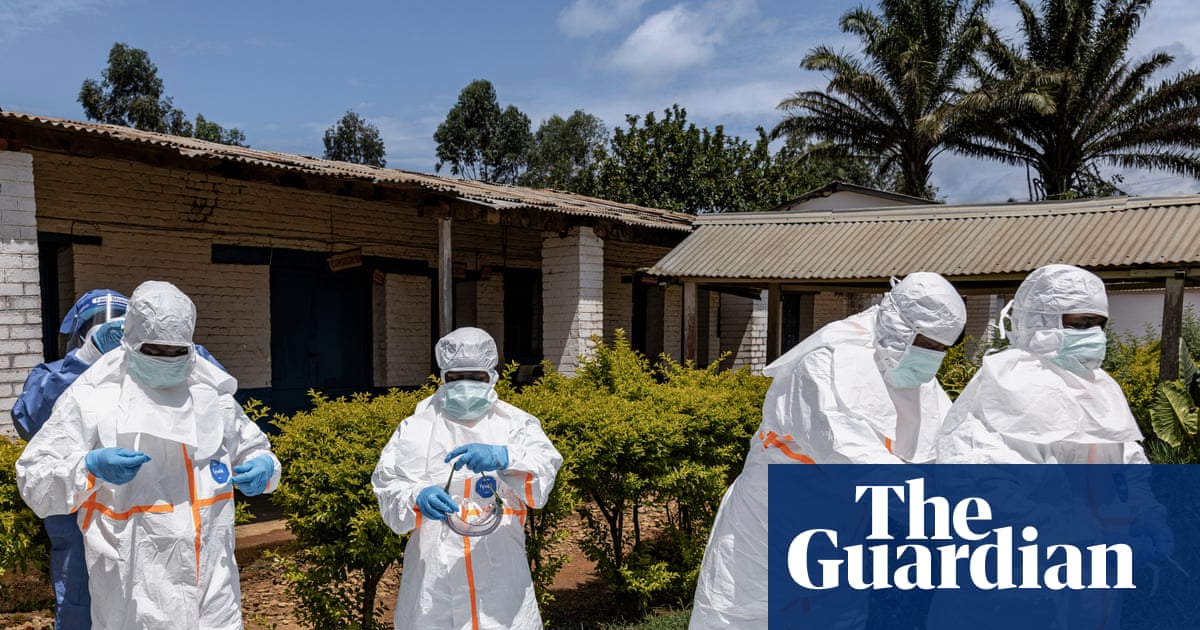
On May 23, 2026, the World Health Organization (WHO) declared the Ebola outbreak in the Democratic Republic of the Congo (DRC) and Uganda a public health emergency of international concern (PHEIC), marking the 17th Ebola outbreak since 1976. The Bundibugyo strain, which lacks an approved vaccine or treatment, has infected nearly 750 people and caused 177 suspected deaths, with cases spreading into rebel-controlled areas and urban centers like Goma, where two Ebola treatment centers are under construction.
Conflict and Containment: The Virus Reaches Rebel-Held Areas
The Ebola outbreak has worsened in eastern DRC, where the March 23 Movement (M23) controls key regions like Goma and Bukavu. Conflicts, displacement, and mistrust have hampered containment efforts, with confirmed cases reported in areas under M23 control. In Goma, a city of 750,000 people including 333,000 internally displaced persons, two 60-bed Ebola treatment centers are being built, but humanitarian groups warn capacity may be insufficient. “We always have a team in Goma, and we always continue to provide support to the population,” said Marie Roseline Belizaire, WHO’s acting regional emergency director.

M23 officials claim coordination with medical teams is in place, but local health workers fear the war will complicate response efforts. “Most of the doctors specialized in Ebola response are no longer in the region because of the current situation,” said Zawadi Clarisse, a trader in Goma. The virus has also reached Bukavu, a city captured by M23 in 2025, raising fears of further spread through densely populated urban centers.
Healthcare Workers on the Frontlines: A Looming Crisis
Three Red Cross volunteers in Ituri province died from Ebola while managing dead bodies in March, becoming among the first known victims of the outbreak. “These volunteers lost their lives while serving their communities with courage and humanity,” said the International Federation of Red Cross and Red Crescent Societies (IFRC). Their deaths highlight the peril faced by healthcare workers, who are “the group that I’m really concerned about,” warned Dr. Craig Spencer, a physician who survived Ebola in 2014. “They had very close contact with people when they’re most contagious, particularly around the time of folks’ death.”

Overwhelmed hospitals in Ituri province, including Bunia’s Salama hospital, report being at capacity. “Every health facility they called said: ‘We’re full of suspect cases. We don’t have any space,’” said Trish Newport of Médecins Sans Frontières. The lack of isolation wards and the strain of the Bundibugyo virus—without approved treatments—have left responders scrambling. The absence of a targeted vaccine for this specific strain necessitates strict adherence to isolation protocols and the use of personal protective equipment (PPE) for all personnel handling suspected cases, though the current security environment makes consistent supply chain management for such equipment increasingly difficult.
For more on this story, see WHO Declares Ebola Outbreak in DRC and Uganda a Public Health Emergency..
Clinical Challenges of the Bundibugyo Strain
Unlike other Ebola variants that have benefited from rapid deployment of experimental monoclonal antibody therapies or ring vaccination strategies, the Bundibugyo strain presents a distinct diagnostic and therapeutic challenge. Because there is no WHO-approved vaccine or specific antiviral treatment currently authorized for this strain, medical management remains centered on supportive care. Clinicians in the affected provinces are tasked with managing severe dehydration, electrolyte imbalances, and secondary infections, which are common complications of the viral progression. The reliance on supportive care requires high-acuity nursing and sophisticated laboratory capacity to monitor patient vitals, both of which are currently in short supply in the conflict-affected zones of Ituri and North Kivu.
International Response: Funding and Coordination
The WHO has released $3.9 million from its contingency fund and deployed 22 international staff to DRC, while the UN humanitarian chief allocated $60 million to the response. “We’re supporting national authorities with every pillar of the response, including contact tracing, establishing treatment centers, and community engagement,” said WHO Director-General Tedros Adhanom Ghebreyesus.
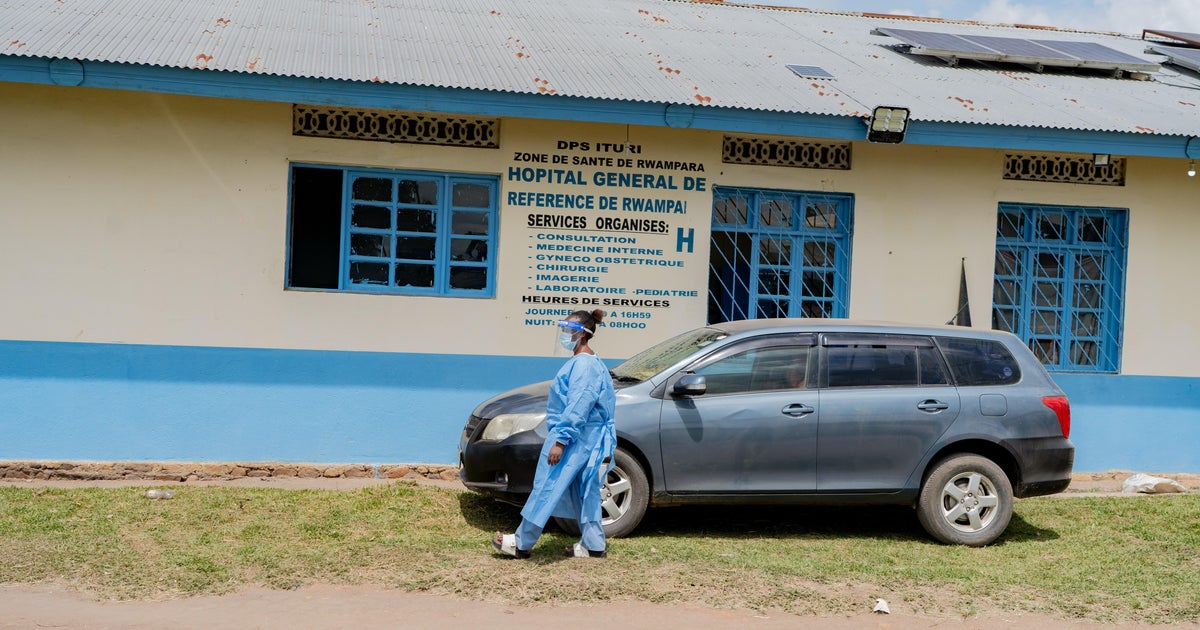
Despite these efforts, the outbreak’s rapid spread has raised alarms. “The speed at which this Ebola outbreak is spreading is deeply worrying,” said Rose Tchwenko of Mercy Corps. Uganda, which has reported two confirmed cases linked to DRC, has implemented strict measures, including contact tracing and canceling public events, to prevent wider transmission. The Ugandan Ministry of Health has scaled up surveillance at border crossings, utilizing thermal screening and mandatory health declarations for travelers arriving from eastern DRC to prevent the further importation of the virus into the country.
What’s Next? A Fragile Path Forward
The WHO’s emergency committee has issued temporary recommendations, urging States Parties to prioritize risk communication, community engagement, and cross-border coordination. However, the outbreak’s complexity—compounded by conflict, cultural practices, and limited resources—poses a formidable challenge. The committee emphasized the necessity of maintaining neutral access for humanitarian workers, regardless of the territorial control of the M23.
For individuals residing in or traveling to the affected regions, public health authorities advise maintaining strict hygiene practices, avoiding contact with suspected cases, and reporting any symptoms—such as fever, severe headache, or unexplained bleeding—immediately to the nearest health facility. Readers are encouraged to consult official portals for the World Health Organization and regional health ministries for the most current guidance on travel restrictions and localized health alerts, as the situation remains fluid. It is essential to rely on verified information from institutional sources rather than informal reports, given the high volume of misinformation that typically accompanies outbreaks in conflict zones.
