
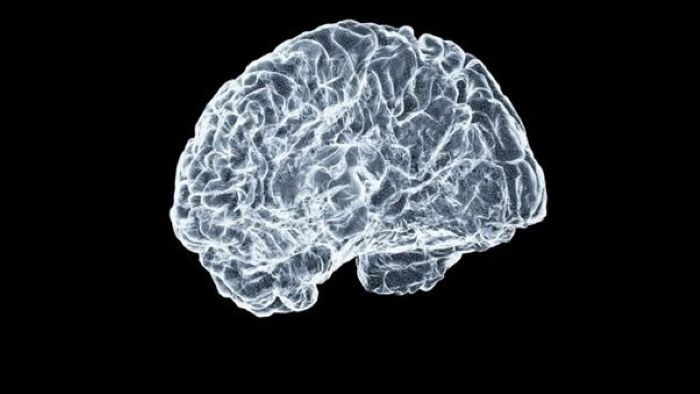
A breakthrough in Parkinson’s research shows how nanoscale carbon particles could disrupt the toxic protein clumping that drives the disease—but experts warn clinical use is years away.
A multinational research team has demonstrated that graphene quantum dots (GQDs)—tiny, engineered carbon particles—can interfere with the aggregation of α-synuclein (ASN), the protein whose toxic clumps define neurodegenerative diseases like Parkinson’s and multiple system atrophy (MSA). In a study published this week in Science and Technology of Advanced Materials, scientists led by Professor Małgorzata Kujawska at Poznań University of Medical Sciences found that GQDs administered intranasally to mice significantly reduced ASN buildup and activated autophagy, the cell’s natural recycling process for damaged proteins. The findings mark a potential new direction for therapies that target the root cause of these diseases rather than just symptoms.
Why This Matters: The Protein Clumping Problem
Parkinson’s and related synucleinopathies share a grim biological signature: the misfolding and accumulation of ASN into long, toxic fibrils that choke neurons. Current treatments—like levodopa—ease motor symptoms but do nothing to halt or reverse the protein aggregation. That’s why researchers have been chasing strategies to either prevent ASN from clumping or help cells clear it away. Nanomaterials like GQDs offer a novel approach, acting as molecular disruptors that interfere with the clumping process itself.

“This study points to a promising new direction for strategies against neurodegenerative diseases,” Kujawska told reporters. “While clinical use of GQDs remains a long way off, these findings strengthen the case for further research.” The team’s multi-stage testing—from cell-free experiments to neuronal cultures and mouse models—suggests the particles work by binding to ASN and blocking its transformation into toxic fibrils. Even more encouraging, the treatment appeared to trigger autophagy, a cellular cleanup mechanism that could help remove existing clumps.
The Science Behind the Hype: How GQDs Work
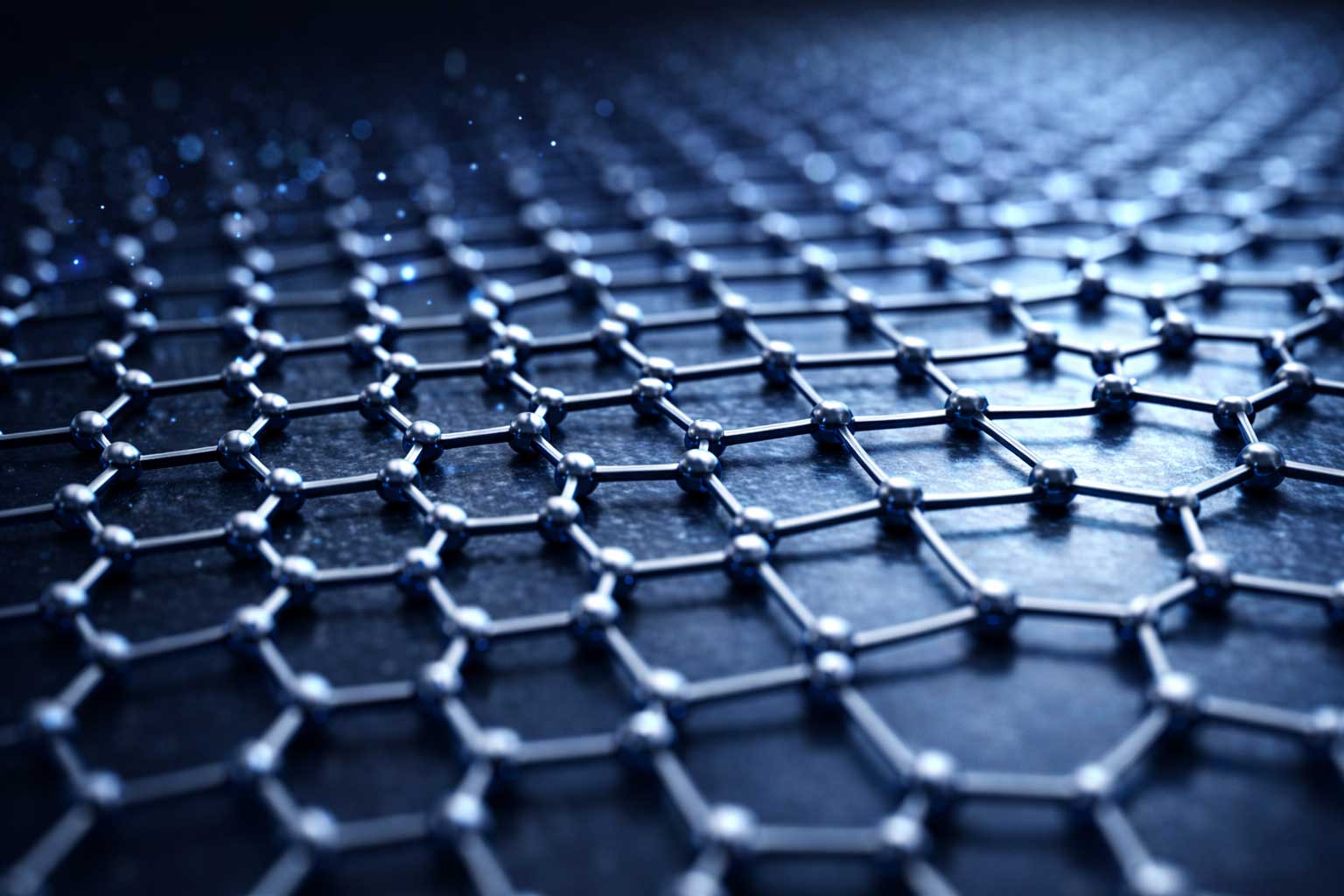
Graphene quantum dots are a specialized form of graphene—a single-atom-thick sheet of carbon atoms arranged in a honeycomb lattice. While graphene itself is famous for its strength and conductivity, GQDs are engineered to be just a few nanometers wide, giving them unique properties for biomedical applications. In this study, the dots didn’t just passively block ASN aggregation; they actively disrupted the protein’s misfolding pathways, according to the research published in Science and Technology of Advanced Materials.
The intranasal delivery method used in the mouse trials is particularly intriguing. Unlike intravenous injections, which can trigger immune responses or off-target effects, nasal administration allows GQDs to bypass the blood-brain barrier and reach the brain directly. This route has been explored for other neurodegenerative therapies, including Alzheimer’s research, and could be a game-changer for Parkinson’s if scaled safely.
But safety remains a critical hurdle. The study noted that while GQDs showed a favorable profile at biologically relevant concentrations, higher doses triggered cellular stress and immune responses—a common issue with nanomaterials. “What we learn as we optimize their properties and conduct a comprehensive safety evaluation could help design more effective nanomaterial-based strategies not just for synucleinopathies, but also for other conditions characterized by the buildup of toxic proteins,” Kujawska emphasized.
The Road Ahead: Challenges and Opportunities
Despite the promise, translating GQDs from lab bench to clinic will require overcoming several obstacles. The first is scalability. Producing consistent, high-quality GQDs at large scale remains expensive, and integrating them into pharmaceutical formulations—especially for intranasal delivery—will demand rigorous testing. The second is biocompatibility. Even if GQDs prove safe in mice, long-term effects in humans are unknown. Nanomaterials often trigger immune reactions or accumulate in organs, raising questions about chronic exposure.
There’s also the competition. Other nanomaterials, like gold nanoparticles or carbon nanotubes, are already in preclinical testing for neurodegenerative diseases. GQDs may stand out due to their tunable properties—scientists can adjust their size, surface chemistry, and functional groups to optimize interactions with ASN—but they’ll need to prove superior in head-to-head comparisons.
Kujawska’s team acknowledges these challenges. “GQDs may serve as a useful research tool,” she said, “but we’re still in the early stages of understanding their full potential.” The study’s findings are a proof of concept, not a cure. Yet the implications are broad: if GQDs can be refined for safety and efficacy, they could become part of a new class of protein-targeting therapies applicable to Alzheimer’s, Huntington’s, and even prion diseases like Creutzfeldt-Jakob.
What Comes Next: The Timeline and Stakes
- Safety profiling: Long-term toxicity studies in larger animals (e.g., primates) to assess organ accumulation, immune responses, and potential off-target effects.
- Mechanistic clarity: Pinpointing exactly how GQDs bind to ASN and whether they can clear pre-existing fibrils or only prevent new clumps from forming.
- Delivery optimization: Refining intranasal formulations to ensure even distribution in the brain and minimize local irritation.
Kujawska’s lab is not alone in this pursuit. Other research groups are exploring similar nanomaterial approaches, including carbon-based dots and peptide-based inhibitors. The race is on to identify a therapy that can halt ASN aggregation before irreversible neuronal damage occurs. For Parkinson’s patients, who currently have no disease-modifying treatments, even incremental progress is cause for cautious optimism.
Yet the stakes extend beyond Parkinson’s. Synucleinopathies are part of a larger class of protein-misfolding disorders, and if GQDs or similar nanomaterials prove effective, they could open doors for Alzheimer’s, where amyloid-beta plaques drive neurodegeneration. The same principles might even apply to prion diseases, where misfolded proteins induce other proteins to misfold—a cascade that GQDs could theoretically interrupt.
The Bigger Picture: Nanomedicine’s Promise and Pitfalls
This study is the latest in a growing body of work exploring nanomaterials for neurological diseases. Graphene, in particular, has been studied for drug delivery, neural interfaces, and even brain-computer interfaces. But the field has faced skepticism due to past setbacks—nanoparticles that worked in petri dishes failed in humans, or triggered unintended immune reactions. The key difference with GQDs may be their biocompatibility at scale: if they can be manufactured consistently and shown to avoid long-term toxicity, they could carve out a niche in precision nanomedicine.
For now, the focus remains on proof of concept. The mouse data are promising, but the journey from lab to clinic for neurodegenerative therapies typically takes 10–15 years. Even if GQDs enter human trials within five years—a optimistic timeline—they would likely be tested first in early-stage Parkinson’s or MSA, where protein clumping is detectable but neuronal loss is less advanced.
What’s clear is that the field is shifting. “Current treatments only manage symptoms rather than stopping the underlying protein clumping,” Kujawska noted, underscoring the unmet need. If GQDs or similar approaches can move beyond the lab, they could redefine how we treat not just Parkinson’s, but a host of diseases where misfolded proteins wreak havoc in the brain.
For readers tracking this story, the takeaway is simple: this is early-stage science. The mouse results are encouraging, but the path to a human therapy is long, complex, and fraught with unknowns. What’s certain is that the hunt for a cure is accelerating—and nanotechnology may hold the key.
Consult your healthcare provider for personalized medical advice.
