

A landmark study published today reveals that people who have precancerous colon polyps removed remain at significantly higher risk of colorectal cancer for at least a decade afterward, with their gut microbiomes showing lasting alterations that closely resemble those found in active cancer patients. Researchers analyzing data from more than 350 adults found that even 12 years after adenoma removal, these individuals still carried gut bacteria and metabolic patterns linked to colorectal cancer—patterns that were far more pronounced in those with unhealthy diets and sedentary lifestyles.
Why Polyp Removal Doesn’t Erase the Risk
The study, published in Cell Host & Microbe and led by Harvard researchers, upends a long-held assumption that removing adenomas—precancerous polyps—would fully reset a person’s cancer risk. Instead, the findings suggest that the gut microbiome may act as a persistent biological marker of elevated risk, even after surgical intervention. “Our study was the first to address whether gut microbial and metabolic alterations are still detectable many years after adenoma removal,” said Mingyang Song, associate professor of clinical epidemiology and nutrition at Harvard T.H. Chan School of Public Health. “The answer is yes—suggesting that removing an adenoma doesn’t return the gut to a low-risk state.”
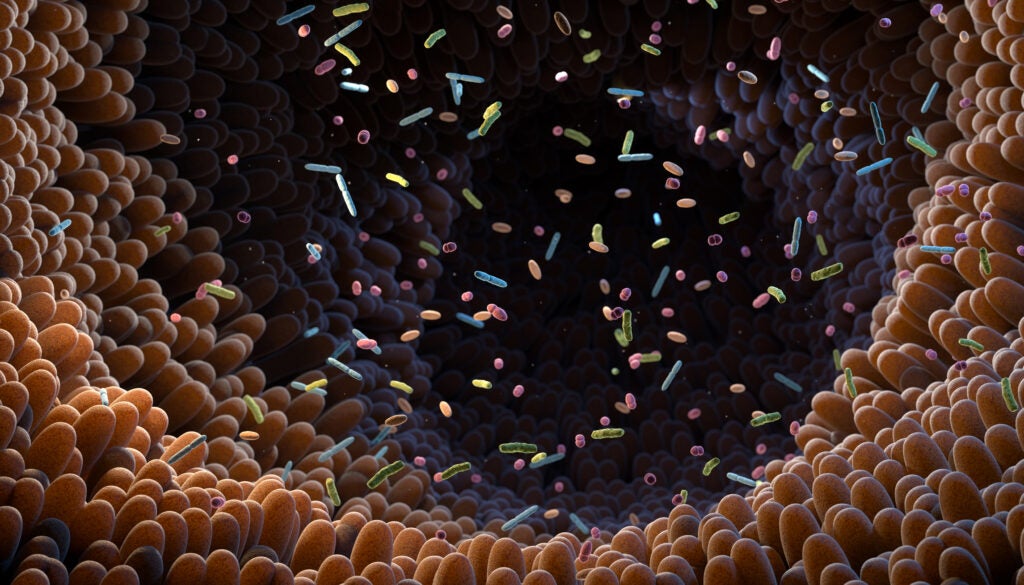
According to the research, participants with a history of adenomas still exhibited gut microbiome patterns that partially mirrored those of colorectal cancer patients—though the overlap was modest, with only about 7% of microbiome differences directly tied to their disease history. The remaining 93% stemmed from individual factors like diet, genetics, and lifestyle. Yet the persistence of these patterns over a decade suggests the microbiome may play a critical role in sustaining long-term risk.
“The fact that colorectal cancer-associated gut microbial and metabolic features are still detectable a decade later suggests the gut microbiome may be part of sustained colorectal cancer risk.”
Ana Nogal, PhD, postdoctoral research fellow at Harvard T.H.
This isn’t just about identifying risk—it’s about understanding why it persists. The study’s authors note that while diet and lifestyle were closely tied to these microbes in all participants, the connection was stronger in those with a history of adenomas. “Diet and lifestyle were closely tied to these microbes, raising the possibility that these habits could influence the gut environment in people at higher risk,” Nogal emphasized.
The Gut Microbiome’s Hidden Role in Cancer Risk
The gut microbiome isn’t just a passive bystander in colorectal cancer—it may actively contribute to both the development and persistence of risk. The study identified 31 bacterial species that showed consistent changes in both adenoma and cancer cases compared to healthy controls. For example, levels of Faecalibacterium prausnitzii, a bacteria known for its anti-inflammatory properties, were low in adenoma patients, while harmful bacteria like Flavonifractor plautii were more abundant.
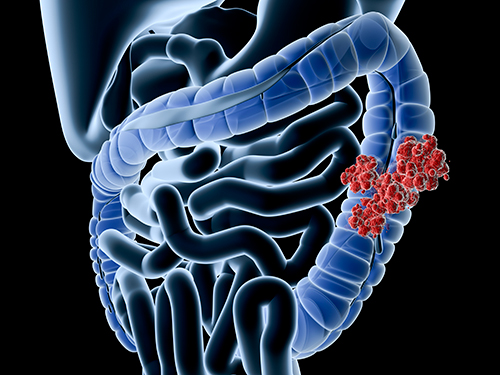
Cynthia Sears, MD, professor of medicine and oncology at Johns Hopkins University School of Medicine, who was not involved in the study, called the findings “a potential continuum of change in the gut microbiome that links adenomas and colon cancer.” She added that the study underscores the importance of diet and lifestyle in shaping these microbial environments—particularly for those already at higher risk.
“Diet is critical. That means less red meat, more vegetables and fruits, exercise, and weight management.”
Previous research had linked the gut microbiome to colorectal cancer risk, but this study is the first to show that these changes persist long after adenoma removal. Meta-analyses of stool samples from diverse populations have identified microbial biomarkers associated with later-stage colorectal cancer, and studies of adenoma patients have reported dynamic shifts in gut bacteria from early neoplasia to advanced cancer. The new findings suggest that these shifts may not be fully reversible—even after surgical intervention.
What This Means for Patients and Prevention
The implications of this study are profound for patients who’ve had adenomas removed. While colonoscopy remains the gold standard for early detection, the research suggests that lifestyle interventions—particularly diet and physical activity—could play a crucial role in reducing long-term risk. “Early detection and resection of adenomas through colonoscopy are critical strategies for preventing colorectal cancer,” the study’s authors wrote. “However, individuals with a history of adenoma resection remain at a higher risk of developing colorectal cancer than those without adenomas.”

For those with a history of adenomas, the study’s findings serve as a stark reminder that the work doesn’t end with surgery. The gut microbiome may continue to reflect an elevated risk profile for years, meaning that proactive lifestyle changes could be just as important as medical follow-ups. The researchers found that participants with less healthy diets and lower physical activity carried more of the microbes typically elevated in both adenoma and colorectal cancer patients—a clear signal that habits matter.
This isn’t just about avoiding red meat or hitting the gym—it’s about understanding how everyday choices shape the very environment where cancer can take root. The study’s lead author, Ana Nogal, framed it this way: “Our findings point to the gut microbiome as one plausible contributor to sustained risk.” In other words, the body’s microbial ecosystem may leave a lasting imprint that extends far beyond the physical removal of a polyp.
The Bigger Picture: A Shift in Cancer Prevention
Colorectal cancer is the third-most common cancer globally, accounting for about 10% of all cases and claiming nearly a million lives annually. While screening and early detection have made significant strides in reducing mortality, this study suggests that prevention efforts must go deeper—targeting not just the physical removal of polyps but the underlying biological environment that may sustain risk.
The findings align with broader trends in cancer research, where the microbiome is increasingly recognized as a key player in disease progression. From antibiotics disrupting gut bacteria to processed foods altering microbial balance, the study reinforces the idea that colorectal cancer risk isn’t just about genetics or chance—it’s also about the invisible ecosystem living inside us. As Dr. Sears noted, “The gut microbiome may be a significant biological contributor to sustained CRC risk,” meaning that future prevention strategies could focus as much on nurturing a healthy microbiome as on traditional screening.
What’s next? The researchers are already exploring whether targeted interventions—such as probiotics, prebiotics, or personalized diet plans—could help reset the gut microbiome in high-risk individuals. If successful, such approaches could offer a new layer of protection for those who’ve already faced a brush with colorectal cancer.
Key Takeaways for Readers
- Risk persists: Even after adenoma removal, colorectal cancer risk remains elevated for at least a decade, with gut microbiome patterns mirroring those of active cancer patients.
- Lifestyle matters: Diet and physical activity are more closely tied to cancer-associated microbes in people with a history of adenomas than in those without.
- Microbiome as a marker: The gut microbiome may serve as a long-term biological indicator of sustained cancer risk, even after surgical intervention.
- Prevention beyond surgery: Proactive lifestyle changes—such as reducing red meat, increasing fiber, and staying active—could help lower long-term risk.
- Future research: Studies are underway to explore whether interventions like probiotics or personalized diets could help reset the gut microbiome in high-risk individuals.
For anyone with a history of colon polyps, the message is clear: the fight against colorectal cancer doesn’t end with a colonoscopy. It’s a lifelong commitment to understanding—and nurturing—the invisible world inside you.
Consult your healthcare provider for personalized advice on colorectal cancer prevention and screening.
