
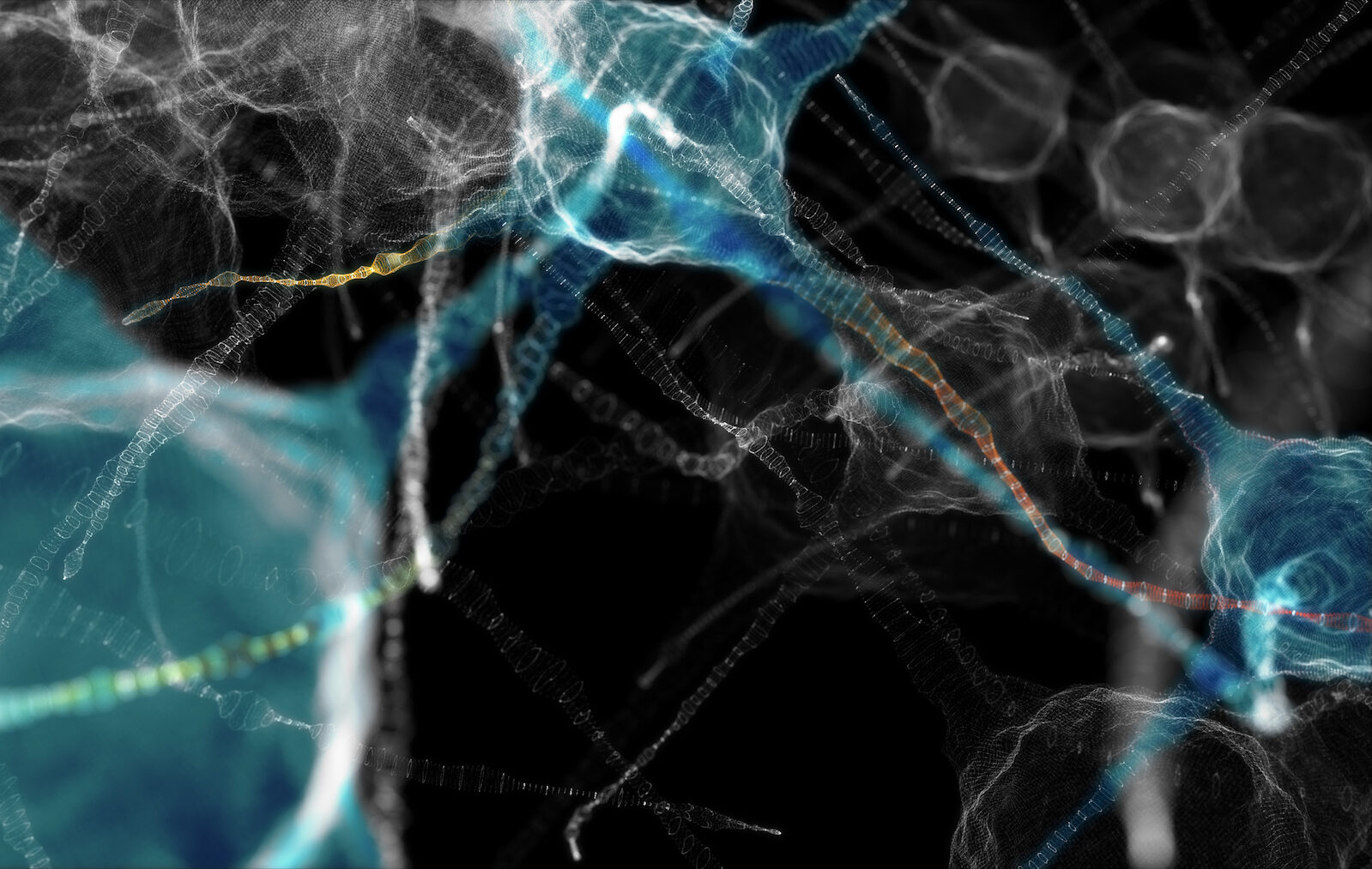
Researchers at the University of California, San Diego have developed a systemic gene therapy, SynCav1, that successfully shields neurons from the cognitive and structural damage caused by TDP-43 proteinopathy in mouse models. The approach, which crosses the blood-brain barrier to bolster neuronal resilience, offers a potential new strategy for treating ALS, FTD, and Alzheimer’s disease.
A Shift in Strategy: Strengthening Neuronal Resilience
For years, the standard approach to treating neurodegenerative diseases like amyotrophic lateral sclerosis (ALS) and frontotemporal dementia (FTD) has been centered on the removal of toxic proteins. However, scientists are now questioning the efficacy of this "scrubbing" method, suggesting that by the time these proteins are cleared, the neurons themselves have already been pushed past their breaking point.
According to research reported by Genetic Engineering and Biotechnology News, the team at the University of California, San Diego (UCSD) is pivoting toward a neuron-centric model. Instead of focusing solely on the protein, they are investigating how to fortify the internal machinery of brain cells to help them withstand the stress of disease. The focus of this effort is caveolin-1, a protein that acts as a scaffolding agent to preserve membrane integrity and cellular signaling.
Systemic Delivery and the Blood-Brain Barrier
A major hurdle for central nervous system therapies has historically been delivery. Many experimental treatments require invasive, direct injections into brain tissue to bypass the blood-brain barrier. The UCSD team, however, utilized a modified, harmless adeno-associated virus (AAV) vector capable of crossing this barrier systemically.
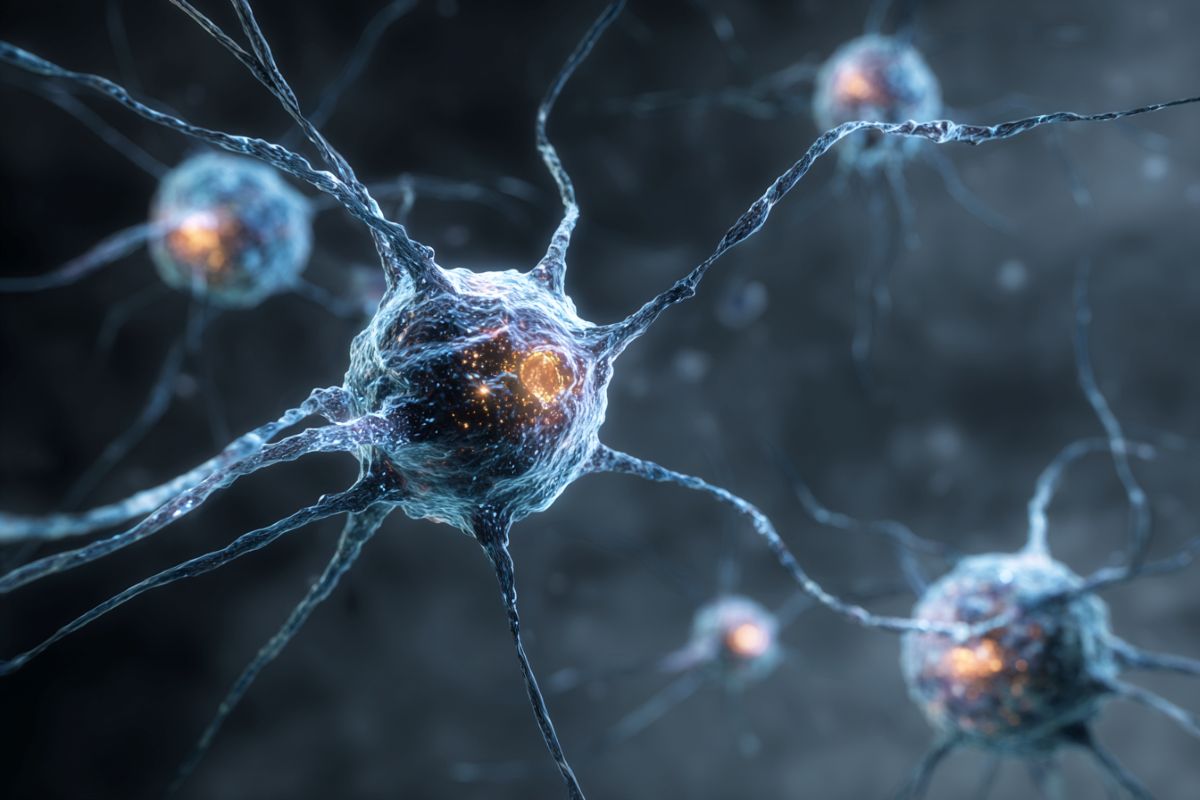
As detailed in Neuroscience News, this systemic delivery method allows the SynCav1 gene to be distributed throughout the brain and spinal cord, up-regulating caveolin-1 expression in a way that preserves mitochondrial structure and stabilizes membrane lipid rafts. These lipid rafts are crucial; they function as signaling hubs that allow neurons to communicate. The researchers observed that in diseased mice, the mislocalization of TDP-43 disrupted these hubs, effectively silencing the neurons’ ability to send and receive signals.
Historical Context and the Evolution of Gene Therapy
The path to this current breakthrough has been long. As reported by Being Patient, the first experimental gene therapy for Alzheimer’s took place back in 2001, when a 60-year-old woman underwent an 11-hour surgery in La Jolla to have cells containing a nerve growth factor (NGF) injected into her brain. While that initial pilot study demonstrated safety, subsequent trials failed to show a significant slowdown in cognitive decline.
Despite those early setbacks, the technology has evolved significantly. Modern researchers now utilize MRI-based guidance to ensure precision and have moved toward more sophisticated viral vectors to deliver genetic material. Dr. Mark Tuszynski, who ran that original 2001 pilot study, notes that the field is currently “making its first breakthroughs in human medicine,” having already seen success in treating conditions like spinal muscular atrophy and congenital blindness.
Broader Implications for Dementia Research
The reach of TDP-43 pathology extends far beyond rare conditions. It is estimated to be present in more than half of all clinical Alzheimer’s cases, and its accumulation is linked to accelerated brain atrophy and memory loss. By targeting the resilience of the neuron itself, the SynCav1 approach is being positioned as a potentially universal intervention.

The scientific community is watching closely to see if this "resilience-first" strategy can be successfully translated from mouse models—where it has preserved learning and memory deficits—into human clinical applications. As research continues, the focus remains on whether strengthening the intrinsic durability of brain cells can provide a buffer against the damage caused by toxic protein accumulation, regardless of the underlying disease origin.
Disclaimer: This article is for informational purposes and does not constitute medical advice. Consult your healthcare provider regarding any neurological concerns or potential treatment options.
