
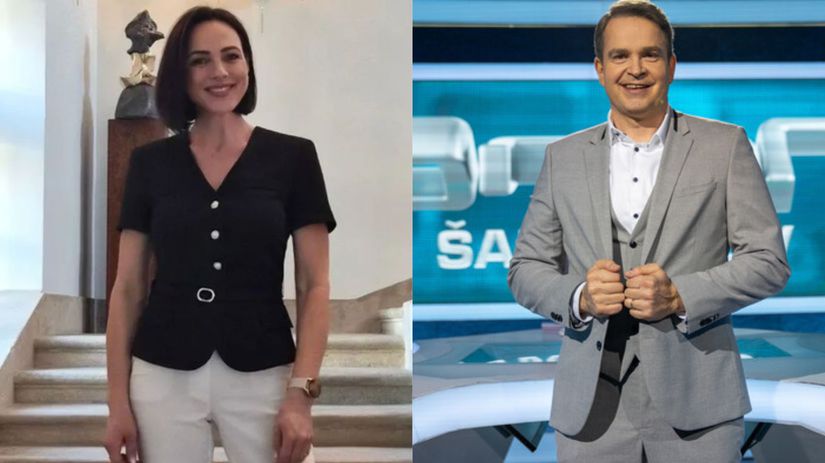
"The controversy surrounding Adriana Kneissl’s podcast comments about ‘fat brains’ and weight loss has sparked widespread debate in Slovakia, with public figures and experts weighing in on the implications of her remarks. The discussion centers on how her statements about obesity and cognitive function were received, particularly after she acknowledged their potential insensitivity."
Kneissl’s Controversial Remarks on Obesity and Cognitive Function
"The Controversial Podcast Discussion
Adriana Kneissl’s remarks emerged during a podcast interview with Adela Vinczeová, where she discussed her weight loss journey and its impact on her mindset. ‘Tučné mozgy myslia inak ako štíhle,’ she stated, a phrase translated as ‘Fat brains think differently than slim ones.’ This comment, paired with her assertion that ’60 percent of Slovaks are obese,’ ignited immediate backlash. Kneissl later clarified that her intent was not to stigmatize but to highlight personal observations about her own experience. ‘I’m not a doctor or nutrition expert,’ she emphasized, stressing that her remarks were based on self-observation rather than scientific evidence.
The podcast, which initially focused on health and lifestyle, shifted into a broader conversation about societal perceptions of body image. Kneissl’s reference to ‘visceral fat around the brain’ drew criticism for oversimplifying complex health issues. ‘I didn’t mean to hurt anyone,’ she later said, acknowledging that her phrasing could have been more thoughtful.
Criticism of Stigmatizing Language in Slovak Public Discourse
"Public Reaction and Backlash
The debate quickly spread across social media, with users condemning Kneissl’s comments as perpetuating harmful stereotypes about obesity. The phrase ‘tučné mozgy’ (fat brains) became a focal point, with critics arguing it reinforced stigmatizing narratives. ‘This isn’t just about weight; it’s about how we talk about people’s bodies,’ one commenter wrote.

Public figures and organizations weighed in, with some defending Kneissl’s right to share personal experiences while others called for greater sensitivity. The STVR network, a major Slovak media outlet, publicly supported Kneissl, stating that her intent was not to offend. However, the controversy underscored tensions around public discourse on health, body image, and the line between personal storytelling and societal responsibility.
Kneissl’s Response and the Role of Public Figures in Health Narratives
"Kneissl’s Apology and Clarification
In response to the backlash, Kneissl issued a public apology, acknowledging that her words had been misinterpreted. ‘I regret that my statements caused pain or discomfort,’ she wrote. ‘I never intended to marginalize anyone, and I take full responsibility for the impact of my words.’ She reiterated that her focus was on her own journey, not a broader commentary on obesity.
The situation also prompted discussions about the role of public figures in shaping conversations around health. Experts emphasized the importance of language in reducing stigma, noting that terms like ‘fat brains’ could perpetuate harmful misconceptions. ‘Words matter, especially when discussing sensitive topics like weight and mental health,’ one psychologist stated in a separate interview.
"Broader Implications
The incident reflects a growing awareness of how language influences public perceptions of health and body image. Kneissl’s case highlights the challenges of balancing personal narratives with societal responsibility, particularly in an era where social media amplifies every comment.
For Slovak audiences, the debate has sparked conversations about the need for more nuanced discussions around obesity, mental health, and self-acceptance. As Kneissl’s podcast remains a topic of conversation, the incident serves as a reminder of the power of speech in shaping cultural attitudes.
Long-Term Impact on Slovak Podcasting and Public Discourse
"What Comes Next?
While Kneissl has distanced herself from the controversy, the discussion continues to evolve. Media outlets and public figures are now examining how to address similar topics with greater care. For now, the focus remains on the broader implications of her remarks and the ongoing dialogue about language, health, and societal norms.

As the debate unfolds, one thing is clear: the conversation about body image and health is far from over, and the lessons from this incident will likely influence future discussions.
"A Fat Brain Comment?
Kneissl’s remarks, though widely criticized, have also prompted reflection on the intersection of personal experience and public discourse. ‘It’s a complex issue,’ said a media analyst. ‘While her intentions may have been personal, the broader impact highlights the need for more thoughtful conversations about health and body image.’
The controversy underscores the challenges of navigating sensitive topics in a public forum, where even well-meaning comments can spark significant debate. As Slovakia continues to grapple with these issues, the conversation remains far from resolved.
"The Podcast’s Legacy
The incident has left a lasting mark on the podcasting landscape in Slovakia. Host Adela Vinczeová has since emphasized the importance of fostering inclusive discussions, while Kneissl’s experience serves as a cautionary tale about the power of language.
For now, the focus is on how to move forward. ‘We must continue to listen, learn, and grow,’ said one commentator. ‘This isn’t just about one podcast—it’s about how we engage with each other in the public sphere.’
"Final Thoughts
The controversy surrounding Adriana Kneissl’s comments has sparked a broader conversation about the role of public figures in shaping societal attitudes. As the debate continues, it serves as a reminder of the importance of language, empathy, and the need for more nuanced discussions around health and body image.
For readers, the incident highlights the complexities of navigating sensitive topics in a public forum. As the conversation evolves, one thing remains clear: the power of words to shape perceptions, and the responsibility that comes with that power.
"Sources
For more on the podcast and its impact, visit the original article at https://diva.aktuality.sk/clanok/xztwPWd/pre-vyroky-kneissl-urobila-adela-velky-krok-znamy-odbornik-sa-vyjadril-len-krokovanie-nie-je-cesta-a-ani-strava-nie-je-len-o-voli/.
