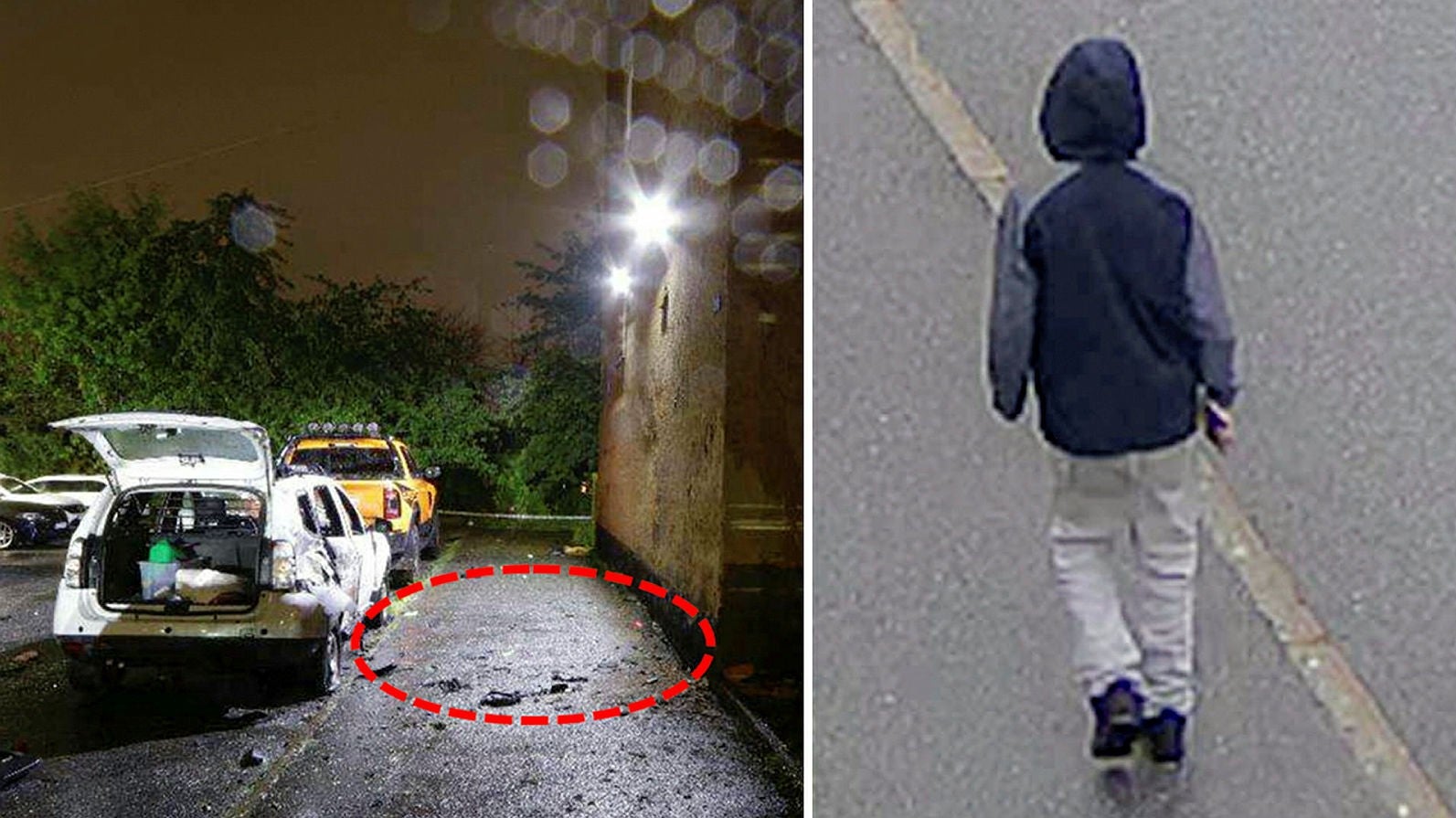
A Södertörns District Court ruling on Tuesday, May 26, 2026, sentenced three individuals for their roles in a fatal explosion in Östberga, Stockholm, where a 15-year-old boy died after a homemade bomb detonated in his hands. The court addressed the criminal recruitment of minors while acquitting defendants of charges related to the victim’s death.
Criminal Sentencing and the Recruitment of Minors
The legal proceedings, which concluded this week, centered on the August 2025 death of a 15-year-old boy who had been recruited by a criminal network to carry out a bombing. According to Aftonbladet, the primary individual convicted is a 23-year-old man linked to the Visättra network. He received a sentence of ten years and ten months in prison for his role in orchestrating the attack. His charges included incitement to aggravated public destruction, involvement of a minor in criminal activity, and aggravated obstruction of justice.
The court also handed down sentences to two other teenagers, both 15 and 16 years old at the time of the event, who were friends of the deceased. As reported by SVT Nyheter, these two were sentenced to one year of closed youth care for their involvement in facilitating the contact between the network leader and the victim, as well as encouraging the act. Prosecutors highlighted the tragic reality of how young individuals are drawn into dangerous criminal tasks. Prosecutor Lukas Tigerstrand emphasized the dangers of the assignment, even showing the court the boy’s damaged cap to illustrate the force of the detonation.
The Legal Rationale Behind the Acquittals
cluster (priority): news.google.com
Despite the lengthy prison terms for the organizers, the court reached a complex conclusion regarding the specific charge of causing another person’s death. Both the 23-year-old organizer and one of the teenage accomplices were acquitted of involuntary manslaughter. Omni notes that the Södertörns District Court determined the victim had acted voluntarily when he handled the explosives.
Chief Judge Maria Hallqvist explained that while the incident was undeniably tragic, the evidence indicated the boy had ignited the fuse and, after being spotted by a resident, made the decision to move with the device rather than discarding it.
“The investigation shows nothing other than that the executor voluntarily handled the bomb and thereby exposed himself to a risk. Despite his young age, he had the opportunity to oversee the risk.”Maria Hallqvist, Chief Judge, via Södertörns District Court
This reasoning created a point of contention between the court and the prosecution. Prosecutor Lukas Tigerstrand argued that the age of the victim should weigh more heavily in the assessment of responsibility.
“Children have a poorer sense of consequences. That is why they are recruited for this type of assignment.”Lukas Tigerstrand, Prosecutor, via Mitt i
Evidence and the Investigation Process
The investigation into the August 2025 explosion was extensive, requiring forensic identification through dental records due to the severity of the blast. Dagens Nyheter detailed that police found traces of pentyl—a military-grade high explosive—at the scene. Fragments of the device were discovered up to 60 meters away from the point of detonation, underscoring the lethal nature of the materials being handled.
Internal communications retrieved by investigators played a significant role in the trial. Evidence presented in court included mobile phone searches by one of the defendants regarding the legal consequences of the act. According to Mitt i, one of the teenagers had searched for information on what one can be sentenced to if one “spränger en termos” (explodes a thermos).
The court’s decision to convict the 23-year-old for incitement rather than the death of the victim marks a specific boundary in current Swedish legal interpretation regarding criminal accountability for the actions of minors who are recruited into gang violence. While the primary recruiter faces a significant prison sentence, the legal threshold for holding third parties responsible for the self-inflicted deaths of their recruits remains high, provided the individual is deemed to have had the capacity to understand the immediate danger of the explosives.
ail: emily.johnson@headlinez.news
Bio:
Emily Johnson serves as News Editor at Headlinez.News, overseeing the publication’s coverage of national and breaking stories. She has worked in journalism for more than 12 years, building a reputation for precision, credibility, and rapid-response reporting. Emily’s editorial philosophy focuses on clear, fact-based writing that helps readers understand the full context behind the day’s most important events. Her expertise bridges traditional reporting and modern digital news strategies.
Expertise: Breaking news, political reporting, fact-checking, newsroom coordination, public affairs.
Location: Washington, D.C., USA