

West Bengal’s ruling government has launched a major rollout of its Annapurna Yojana welfare scheme, with the official application form set to be released tomorrow, May 27, 2026. Chief Minister Suvendu Adhikari announced the timeline during a coordination meeting in Kalyani, revealing that the scheme will transition beneficiaries from the existing Lakshmi Bhandar program while expanding access to subsidized meals and direct cash transfers.
What the Annapurna Yojana Will Offer
The scheme promises three key benefits verified across sources: a monthly cash transfer of ₹3,000 directly deposited into eligible women’s bank accounts, subsidized meals at government-run Ma Canteens for just ₹5 per serving (including fish and rice), and an online/offline application process starting May 27. According to Puberkalom, the government will prioritize rapid enrollment to accelerate benefit distribution, with Chief Minister Adhikari urging citizens to apply immediately.
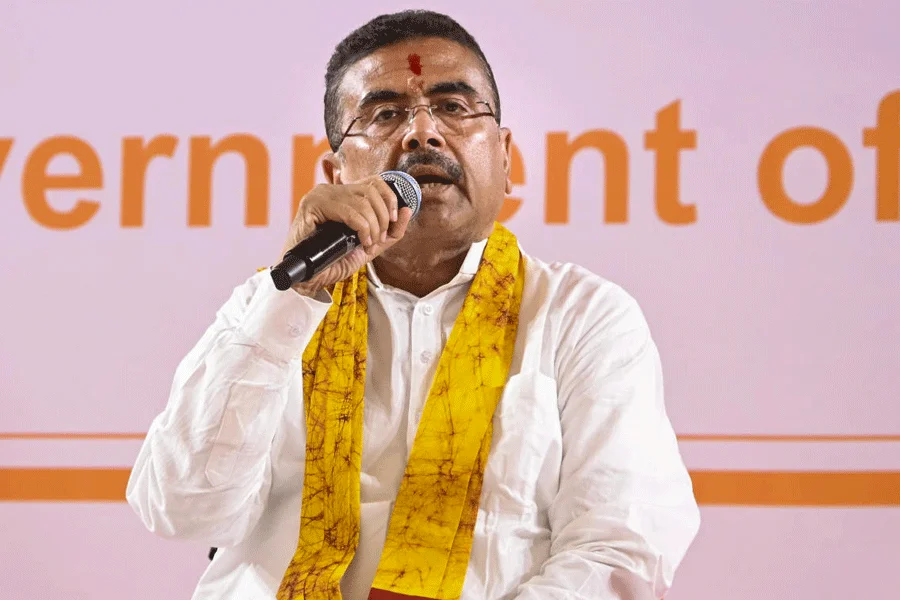
The announcement comes as part of broader welfare reforms, including the rebranding of the Swasthya Sathi health card program under the national Ayushman Bharat scheme. While details on eligibility criteria remain under finalization, sources confirm that existing Lakshmi Bhandar beneficiaries will automatically transition to the new program, though some may face temporary overlaps during the transition.
Timeline and Implementation Challenges
The government has set an aggressive timeline: application forms will be officially released May 27, with the first cash transfers slated for June 1, 2026. However, Aajkaal reports that not all women will qualify—eligibility will be restricted to specific demographic groups, with exclusion criteria yet to be publicly detailed. The government has also directed district officials to expedite the conversion of Lakshmi Bhandar beneficiaries to the new system, though delays in digital infrastructure in rural areas could pose hurdles.

Chief Minister Adhikari’s office confirmed the scheme’s alignment with national priorities, stating that the ₹3,000 monthly transfer will be disbursed via Direct Benefit Transfer (DBT), mirroring similar programs in other states. The Ma Canteen expansion—offering two subsidized meal days per week—aims to address food insecurity, particularly in urban slums and rural areas where malnutrition rates remain high.
Political Context: A BJP Push for Welfare Expansion
The Annapurna Yojana launch marks a significant shift for the Bharatiya Janata Party (BJP) government in West Bengal, which took office in May 2026 after years of opposition to the previous Trinamool Congress-led administration. The scheme’s naming—after the Hindu goddess Annapurna, symbolizing abundance—reflects the government’s strategy to frame welfare initiatives through cultural and religious narratives, a tactic observed in similar programs across India.
While the BJP has emphasized the scheme’s inclusivity, Anandabazar Patrika notes that implementation will require coordination between multiple departments, including the Women and Child Development, Finance, and Food Supply agencies. The government has also signaled plans to integrate the scheme with digital identity systems (Aadhaar) to prevent leaks, though technical glitches in past welfare programs raise questions about execution.
What’s Next: Eligibility, Rollout, and Public Response
As of May 26, 2026, the government has not released the full eligibility criteria or exclusion rules for the Annapurna Yojana. However, sources indicate that beneficiaries of the Lakshmi Bhandar program—primarily women from economically weaker sections—will be the primary target group. The ₹5 meal initiative will roll out in phases, with pilot programs already underway in districts like North 24 Parganas, Nadia, and Hooghly.
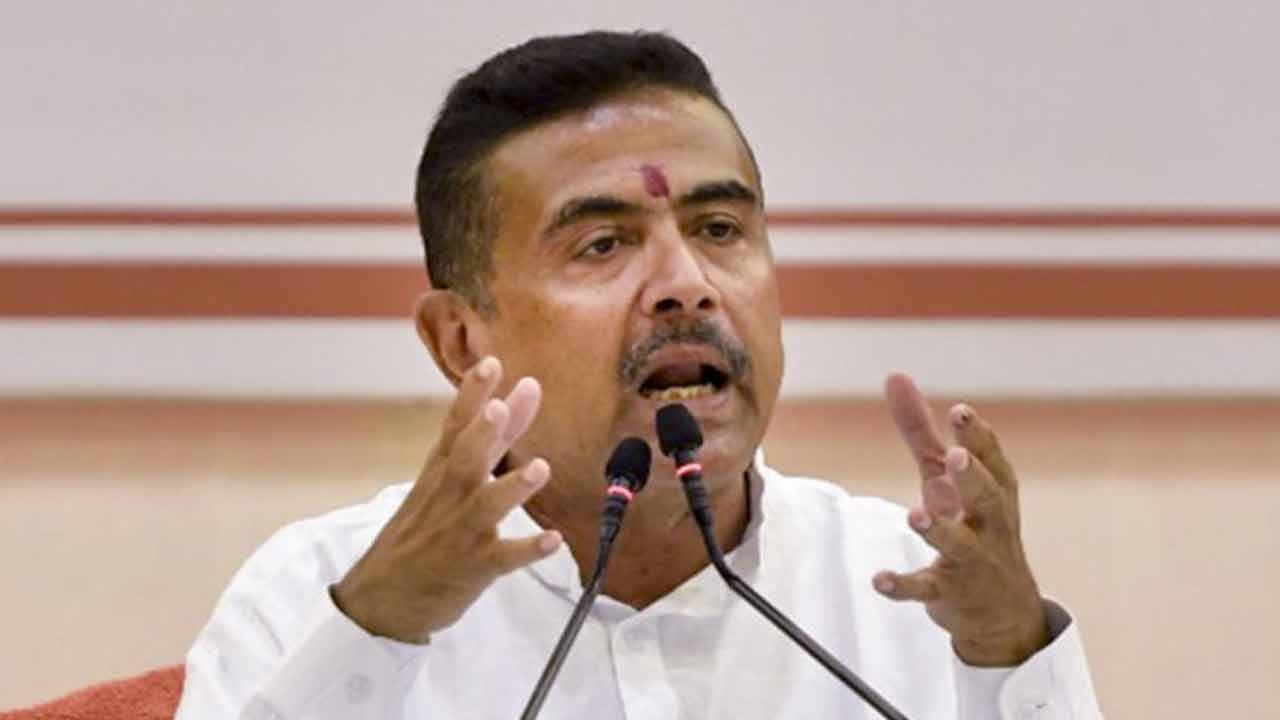
Public reaction has been mixed. While opposition parties have criticized the scheme as a political stunt ahead of potential local elections, grassroots organizations have praised the meal subsidy as a long-overdue relief for low-income families. The government’s decision to maintain the Lakshmi Bhandar during the transition period suggests an effort to avoid beneficiary disruptions, though some activists warn that overlapping programs could lead to administrative confusion.
Looking ahead, the success of the Annapurna Yojana will hinge on three factors: the speed of digital enrollment, the efficiency of DBT disbursements, and the scalability of the Ma Canteen network. With the first cash transfers due in June, the government’s ability to meet these deadlines will set the tone for its broader welfare agenda in the coming months.
For now, beneficiaries are advised to monitor official government portals for the release of the application form tomorrow. The scheme’s integration with existing welfare infrastructure—if executed smoothly—could position it as a model for similar initiatives nationwide.
