
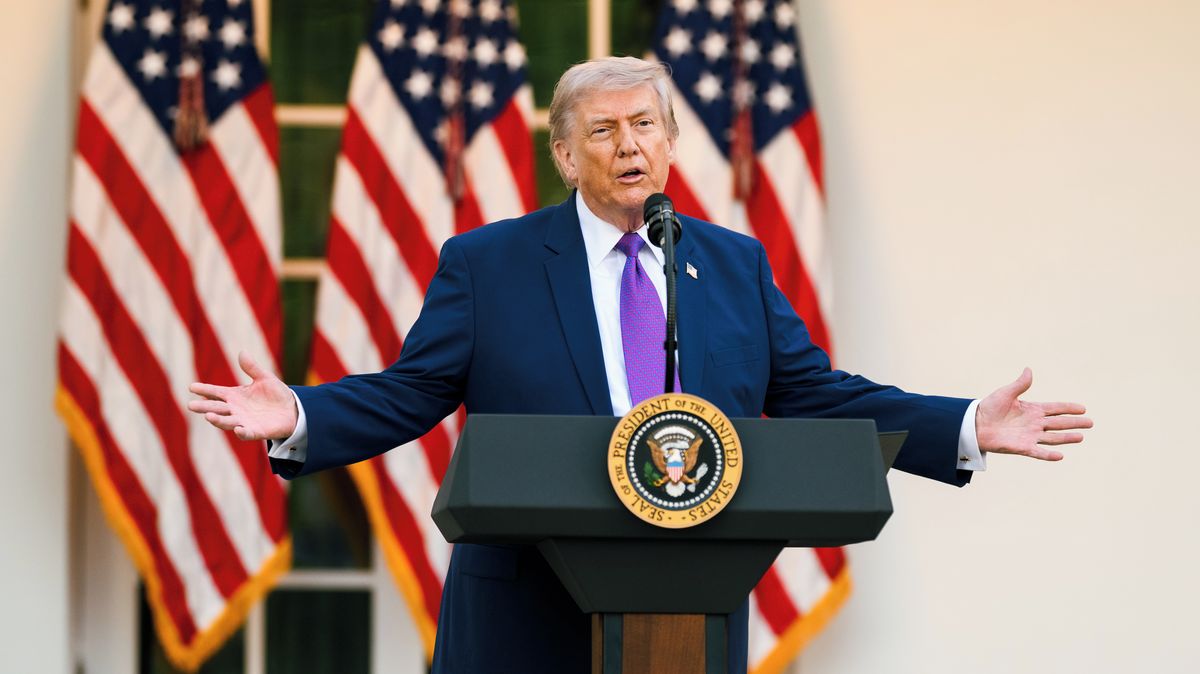
President Donald Trump visited the Walter Reed National Military Medical Center on Tuesday, May 26, 2026, for his third routine medical examination in 13 months. The White House continues to characterize the president’s health as excellent, even as the 79-year-old leader faces persistent public and independent scrutiny regarding his physical and mental fitness for office.
Official Declarations and Transparency Concerns
Following his appointment at the Walter Reed National Military Medical Center, the president took to social media to declare the results of his examination successful. Writing on the platform Truth Social, the president stated that he had just finished his six-month checkup and that everything went perfectly. He extended his gratitude to the medical staff and doctors involved in the process.
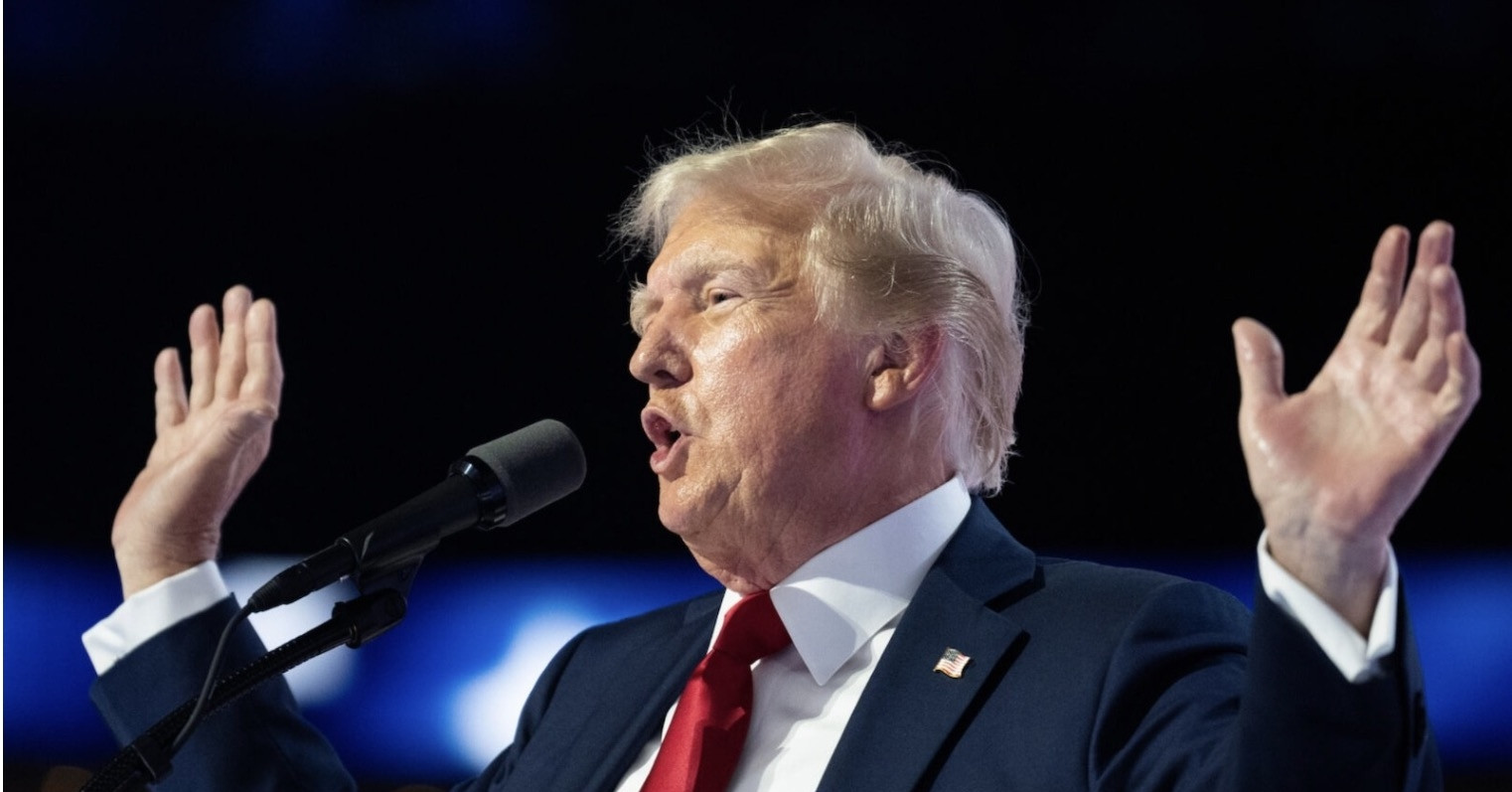
While the president has publicly categorized the visit as a routine health assessment, the transparency of the findings remains at the discretion of the executive branch. According to reports from Novinky, the White House maintains the authority to determine which specific medical data points are released to the public, and the president is under no formal mandate to disclose the results of these examinations. As of Tuesday, no official correspondence from the president’s physician, Sean Barbabella, has been made available.
Analysis of Reported Physical Symptoms
The president’s health has become a focal point of his political identity, often utilized to draw sharp contrasts between his own vigor and that of his political opponents. However, this focus has invited intense scrutiny regarding specific physical symptoms that have appeared over the last year. Reporting from Seznam Zprávy highlights that these concerns include visible bruising on the president’s hands, swelling around the ankles, and instances of apparent fatigue during meetings.

The White House has consistently provided explanations for these observations to mitigate public concern. Officials have attributed the swelling in the ankles to chronic venous insufficiency—a condition common among the elderly—and noted that the bruising on the hands was linked to the president’s frequent handshaking and his use of aspirin. Further concerns regarding skin discoloration behind the president’s ear were dismissed by the administration as the result of a common preventative skin cream. In March, the president’s physician stated that the treatment was expected to show results over several weeks, according to USA Today, as cited by reporting on the event.
Shifting Voter Confidence and Expert Skepticism
Despite the administration’s insistence that the president is in excellent health, polling data suggests a growing divide in public perception. A recent survey conducted by The Washington Post, ABC News, and Ipsos indicates a downward trend in voter confidence regarding the president’s capabilities. As detailed by Vietnam.vn, 40% of Americans now believe the president is mentally fit for the office, down from 47% in September 2025. Similarly, those who believe he is physically fit for the role dropped from 54% to 44% over the same period.
Independent medical experts have raised questions about the administration’s narrative, suggesting that the explanations provided for the president’s symptoms remain insufficient. Jonathan Reiner, a cardiologist who previously worked with the late Vice President Dick Cheney, noted the reticence of the executive branch to acknowledge common age-related health challenges.
“The White House seems to be reluctant to acknowledge any health issues related to the current president, but older people often have health problems, and Mr. Trump is nearly 80 years old.”Jonathan Reiner, cardiologist
The Intersection of Aging and Political Strategy
The medical visit occurs against a backdrop of complex political maneuvering. While the president has used his health as a platform to challenge his opposition, he now finds himself facing the same level of scrutiny that he previously directed at his predecessors. With the president set to turn 80 on June 14, the intersection of his medical status and his political trajectory remains a key narrative for the remainder of his term.
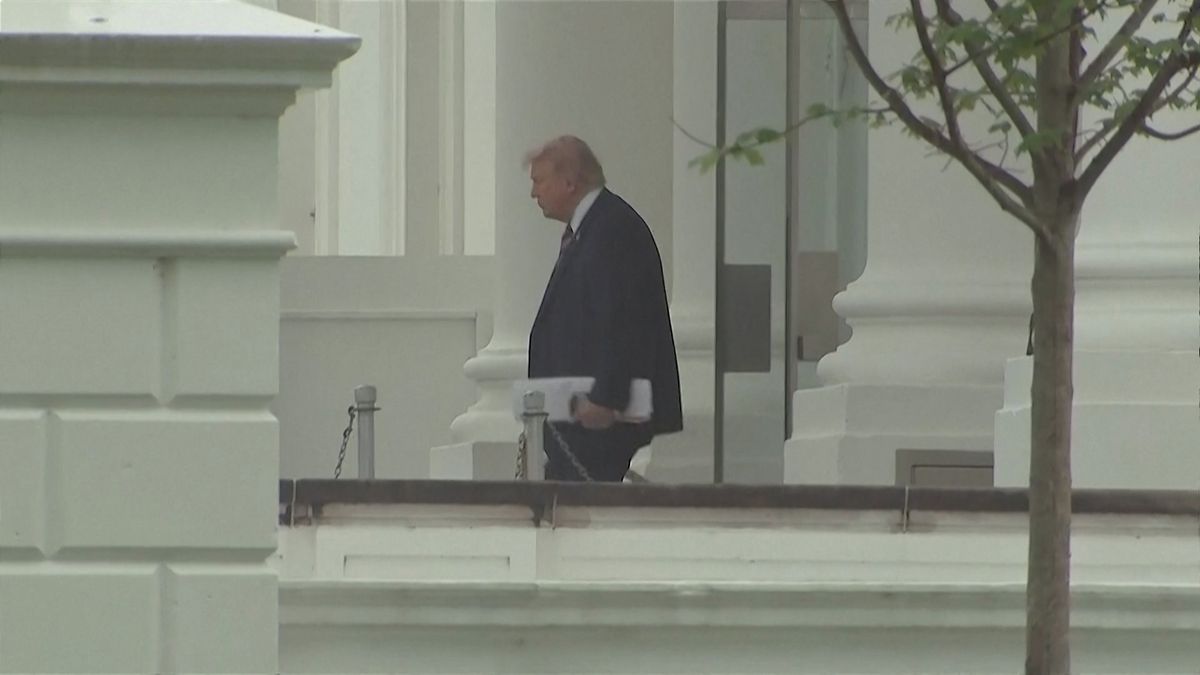
As noted by Deník N, the current political environment for the president is fraught with internal challenges, even as he maintains a firm grip on his supporters. Whether the White House will choose to release more detailed medical documentation remains uncertain, but the president’s reliance on his personal health as a symbol of his strength ensures that every visit to the Walter Reed facility will continue to command intense media and public attention in the months ahead.
