
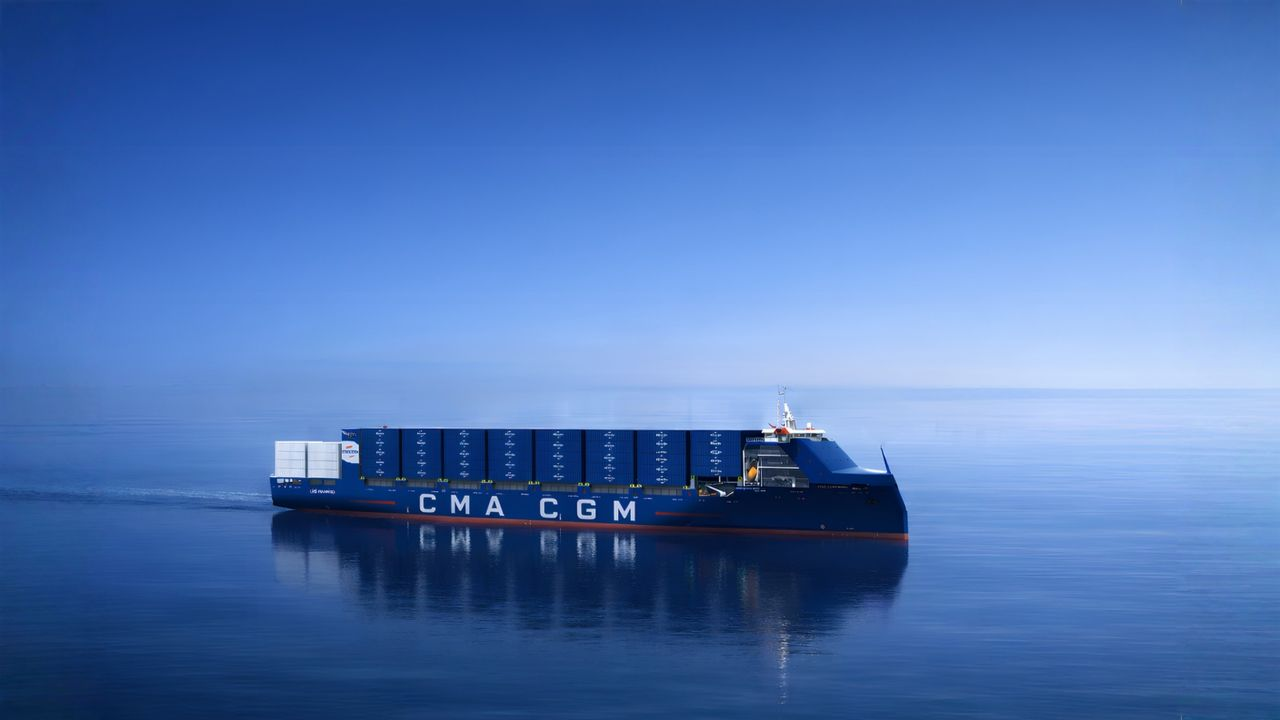
Two of the world’s largest container shipping companies are slamming shippers with new peak-season surcharges this month, signaling a sharp escalation in freight costs just as global trade volumes tighten. CMA CGM’s Africa-Mediterranean-Maldives hikes begin as early as May 28, 2026, while Hapag-Lloyd’s Europe-focused tariffs kick in June 8—both moves marking the most aggressive pricing shifts since 2024’s supply chain disruptions.
The dual wave of Peak Season Surcharges (PSS) reflects carriers’ desperation to offset rising bunker fuel costs and capacity constraints, but analysts warn the timing could squeeze already strained supply chains ahead of the Northern Hemisphere summer peak. While CMA CGM’s African and Mediterranean routes see the steepest increases—up to USD 1,800 per 40-foot container—Hapag-Lloyd’s Europe-bound surcharges hit USD 1,000 per 40-foot unit, creating a two-tier pricing crisis that will disproportionately affect European importers reliant on Asian goods.
CMA CGM’s Africa-Maldives Surge: A Continent-Wide Price Shock
CMA CGM’s latest PSS announcements—effective between May 28 and June 15, 2026—paint a stark picture of regional disparity in freight costs. The carrier has structured its increases by sub-Saharan zone, with West Africa Central ports (Nigeria, Côte d’Ivoire, Benin, Ghana, Togo, Equatorial Guinea) facing the highest surcharge at USD 600 per TEU, while West Africa North (Senegal, Liberia, Mauritania, Sierra Leone, Guinea) sees the lowest at USD 300 per TEU. The Mediterranean route, however, emerges as the most punitive: USD 900 per 20-foot container and USD 1,800 per 40-foot container effective June 15, a move that could push European importers toward alternative carriers or inland rail solutions.

The Maldives, a niche but high-value trade route, also faces a USD 300 per TEU surcharge starting May 28—a 40% jump from pre-2025 rates. Shipping executives privy to the decision cite “unprecedented demand for luxury goods and construction materials” as the justification, though industry observers note the Maldives’ reliance on Chinese imports has grown by 22% since 2024, exacerbating capacity strains.
What stands out is the immediate implementation. Unlike past PSS announcements—often given 30–60 days’ notice—these surcharges take effect within days of publication. According to Container News, the carrier’s move reflects “a preemptive strike against shippers who delayed contract renewals,” a tactic that risks triggering retaliatory measures from European logistics firms already locked in long-term agreements.
Hapag-Lloyd’s Europe Gambit: Why Mediterranean Shippers Are Bracing for Pain
Hapag-Lloyd’s PSS, announced on May 28 but effective June 8, targets the Far East-to-North Europe and Mediterranean corridor—a route critical to Europe’s automotive, electronics, and retail sectors. The surcharge of USD 500 per 20-foot container and USD 1,000 per 40-foot container applies to all container types, including reefers and high-cube units, and IndexBox confirms the carrier has explicitly excluded no cargo categories, unlike competitors who often carve out exceptions for high-volume shippers.
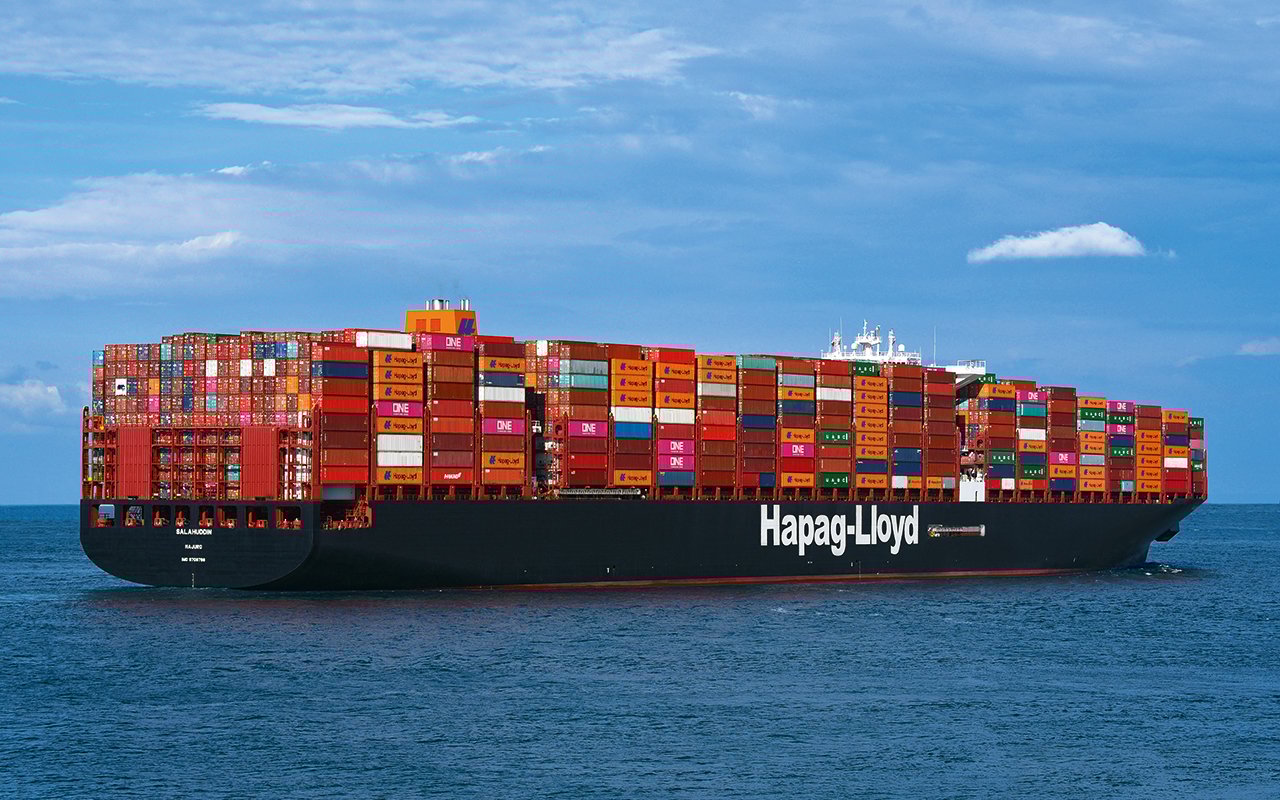
The timing is deliberate. Hapag-Lloyd’s move coincides with the annual “peak season” crunch, when carriers typically raise rates by 15–25%. But this year’s hike—nearly double the 2025 average—suggests the carrier is betting on shippers’ inability to absorb further cost pressures. “They’re testing how much pain European retailers can take before switching to air freight or local sourcing,” says a logistics consultant who requested anonymity, citing client confidentiality.
Crucially, Hapag-Lloyd’s surcharge does not override existing tariffs or bunker adjustments, meaning shippers will face a compounded increase. For a 40-foot container moving from Shanghai to Rotterdam, the total could exceed USD 5,000 by mid-2026—nearly triple the 2024 average. The Mediterranean sub-route, already 10% more expensive than North Europe due to Suez Canal congestion, now faces an additional USD 1,000 penalty per 40-foot unit, pushing some shippers toward the longer but cheaper Cape of Good Hope route.
The Mediterranean Flashpoint: Why This Route Is the Most Vulnerable
The Mediterranean emerges as the epicenter of the surcharge storm, with both CMA CGM and Hapag-Lloyd targeting the same trade lanes.
.png?width=936&height=936&name=UPS%202025%20Peak%20Season%20Surcharges%20Chart%20(1).png "Peak Season Surcharges")
- Capacity constraints: The Suez Canal’s 2025 dredging delays, combined with Red Sea pirate activity, have forced carriers to reroute 18% of Asia-Europe traffic through the longer Cape route—adding 7–10 days and higher fuel costs.
- Port inefficiencies: Mediterranean hubs like Gioia Tauro (Italy) and Algeciras (Spain) are operating at 92% capacity, with demurrage fees already up 35% YoY.
- Seasonal demand: European summer peaks for agricultural exports (olives, citrus) and tourism-related imports (electronics, textiles) coincide with the surcharge implementation.
The result? Shippers with contracts signed before March 2026—when carriers first signaled rate hikes—are now locked into outdated pricing. “This is a classic case of carriers exploiting information asymmetry,” notes a Geneva-based freight forwarder. “They knew demand would spike in Q2 but waited until the last minute to announce the surcharges.” The Mediterranean’s reliance on just three carriers (CMA CGM, Hapag-Lloyd, and Maersk) further limits shippers’ ability to negotiate alternatives.
What Comes Next: Three Scenarios for Shippers
- The “Absorb and Adapt” Strategy: Large retailers (e.g., Zara, Uniqlo) and automakers (Volkswagen, Renault) will likely pass costs to consumers, though margin pressures could trigger price hikes or reduced product lines. Container News reports that European fashion brands have already begun negotiating volume discounts in exchange for guaranteed capacity.
- The “Route Shift” Gambit: Smaller shippers and SMEs may abandon Mediterranean routes entirely, opting for the Cape of Good Hope or trans-Siberian rail—though these alternatives add 10–14 days to transit times and carry their own risks (e.g., Russian port delays, pirate threats off Somalia).
- The “Carrier Switch” Play: Shippers with flexible contracts may pivot to Mediterranean-focused carriers like Mediterranean Shipping Company (MSC) or CMA CGM’s rivals, though capacity on these lines is already tight. MSC, for instance, has not announced PSS increases but is reportedly raising spot rates by 20–25%.
Longer-term, the surcharges could accelerate the shift toward nearshoring. European manufacturers, already relocating production to North Africa and Turkey, may now face even stronger incentives to bring supply chains closer to home. “This isn’t just about cost—it’s about risk,” says a Berlin-based supply chain analyst. “Companies are realizing that relying on Asia via the Mediterranean is no longer a stable option.”

The Bigger Picture: Is This the New Normal?
The dual surcharge announcements raise critical questions about the future of global shipping. Are these one-off adjustments, or the beginning of a sustained pricing war? And how will regulators respond?
Historically, carriers have coordinated PSS increases during peak seasons, but the current moves—by two of the top five carriers—suggest a more aggressive posture. The International Transport Workers’ Federation (ITF) has already signaled it will monitor the surcharges for potential antitrust violations, particularly if smaller carriers follow suit. “If this becomes a pattern, we’ll be forced to intervene,” an ITF spokesperson told reporters this week.
Economically, the surcharges could exacerbate inflationary pressures in Europe, where consumer prices have already risen 3.8% YoY. The European Commission’s latest trade report, released May 20, warned of “supply chain fragility” as a key risk to 2026 growth—a warning that now carries more weight given the carrier actions.
For now, shippers are left scrambling. The next 30 days will determine whether the surcharges stabilize at current levels or spiral further as carriers test the market’s tolerance. One thing is clear: the era of “cheap” global shipping is over. The question is whether this is a temporary storm or the beginning of a new, more volatile era for freight rates.
