
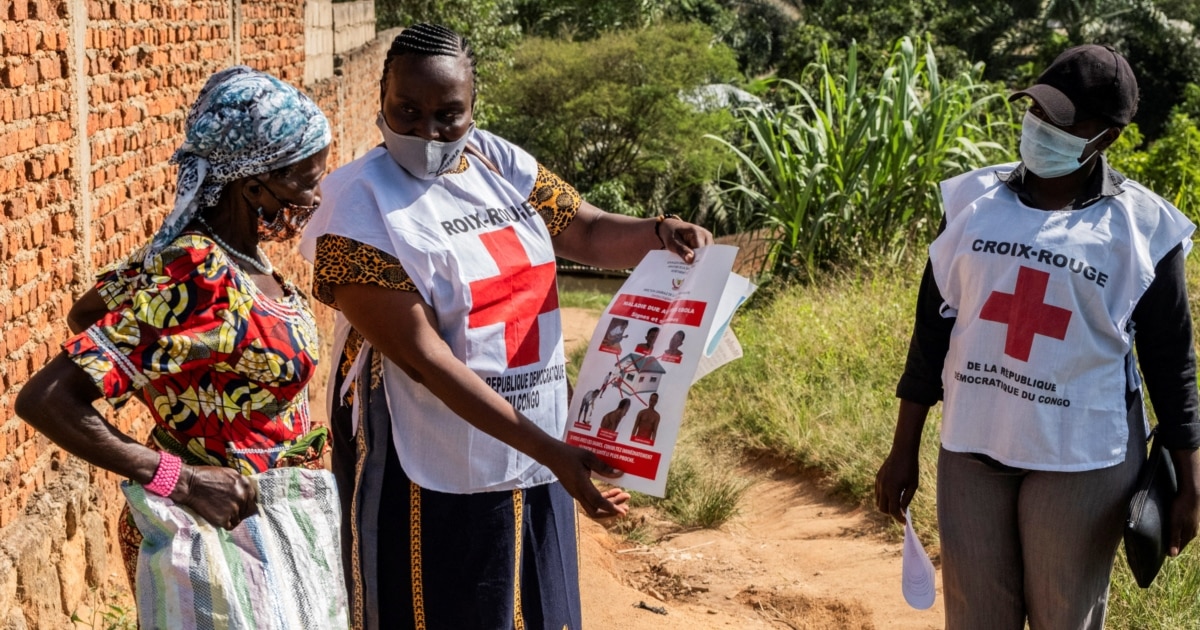
The United Nations Children’s Fund (UNICEF) has delivered over 100 tons of emergency humanitarian aid to the Ituri province in the Democratic Republic of the Congo (DRC) to combat a worsening Ebola outbreak. As of May 27, 2026, the country has reported 129 confirmed cases and 18 deaths, with the virus spreading rapidly across northeastern provinces.
Humanitarian Logistics and the Response in Ituri
The emergency supplies, which arrived on May 28, include essential personal protective equipment, medical consumables, and drugs aimed at shielding frontline healthcare workers and curbing community transmission. According to Economic Observer, the initiative is expected to support nearly 100,000 vulnerable individuals, with a specific focus on children and families in the affected regions. UNICEF has activated its highest-level emergency response mechanism, allocating $6.525 million to bolster infection control, public education, and environmental sanitation efforts.
The situation in the Ituri province remains fraught with danger. The town of Mambasa, a historic center for gold mining, has become a flashpoint for the crisis. As reported by The Beijing News, the security environment is severely hindering medical efforts. On May 22, an Ebola treatment tent in the town was set ablaze by arsonists, resulting in the escape of 18 patients suspected of having the virus. This incident marked the second attack on a treatment facility within a single week, illustrating the volatile intersection of existing humanitarian crises and the current biological threat.
Regional Risks and the Challenges of the Bundibugyo Strain
The epidemiological profile of this outbreak is complicating the international response. Unlike the more common Zaire ebolavirus, this surge involves the Bundibugyo strain, for which there are currently no approved vaccines or specific therapeutic treatments. Pontiano Kaleebu, director of the Uganda Virus Research Institute, emphasized that the lack of specialized medicine necessitates a reliance on supportive care, including fluid replacement and blood transfusions to prevent organ failure. In an interview with Xinhua, Kaleebu stressed the importance of maintaining regional coordination and calm, noting that the border proximity between the DRC and Uganda creates a high risk for cross-border transmission.
In response to the escalating threat, Ugandan authorities have implemented a temporary closure of the border with the DRC, though exemptions exist for humanitarian workers, medical personnel, and essential goods transport. All permitted travelers are now subject to rigorous health screening and ongoing monitoring. The World Health Organization (WHO) has categorized the national risk level in the DRC as very high, while the regional risk remains high.
Global Containment Measures and Security Concerns
The international community is scaling up surveillance as the virus threatens to migrate beyond Central Africa. Voice of America reports that WHO Director-General Tedros Adhanom Ghebreyesus has issued an urgent call for a ceasefire in eastern DRC, warning that violence against healthcare infrastructure is rendering case tracking almost impossible.
In the moments when bombs are falling, we cannot build community trust, and we cannot isolate patients.
Tedros Adhanom Ghebreyesus, WHO Director-General
The United States Centers for Disease Control and Prevention (CDC) has taken proactive steps, mandating that travelers from the DRC, Uganda, or South Sudan enter the U.S. through one of four designated airports: New York’s John F. Kennedy, Washington Dulles, Atlanta, or Houston. For a 30-day period, green card holders who have visited these countries within the previous 21 days are prohibited from entering the United States. Similar measures have been adopted elsewhere; Canada has enacted a 90-day entry ban for residents of the affected countries, and the Bahamas has implemented a 30-day restriction.
Data Discrepancies and Future Outlook
The statistical landscape of the outbreak remains fluid, with reporting agencies providing varying snapshots of the crisis. While the DRC health ministry reported 121 confirmed cases and 17 deaths as of May 26, other international tallies suggest higher figures. The WHO has acknowledged over 900 suspected cases and at least 220 deaths across the region. The complexity of the geography—specifically the role of the Ituri province as a transit hub for trade and migration—means that the risk of further regional output remains a primary concern for health officials.
As the next 30 days unfold, the effectiveness of the international response will likely hinge on two factors: the ability of humanitarian agencies to secure transit corridors in conflict-ridden zones, and the efficacy of the enhanced screening protocols at international transit hubs. With no vaccine available for this specific strain, the focus will remain firmly on early detection and the rigorous application of traditional public health measures to contain the spread.
