
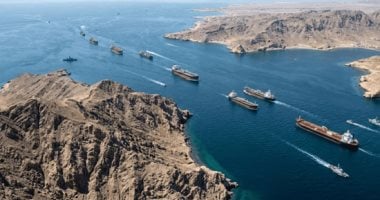
A series of explosions in the Strait of Hormuz on Thursday evening has triggered a tense standoff between Iranian forces and international shipping, as Tehran tightens control over one of the world’s most critical maritime chokepoints. The Iranian military confirmed the blasts were “warning shots” fired at “aggressive vessels” in the strait, while a separate diplomatic push to reopen Hormuz to unrestricted traffic appears to have stalled—with Iran insisting on a formal agreement before easing its blockade. Meanwhile, a leaked draft of a potential U.S.-Iran understanding memo, revealed by Iranian state media, omits any mention of Iran’s nuclear program, signaling deep divisions over the core issue even as both sides claim progress toward a 60-day ceasefire framework.
Explosions in Hormuz: Iran’s Warning Shots and the Blockade’s New Rules
Iran’s Islamic Revolutionary Guard Corps (IRGC) announced Thursday night that explosions heard in the Strait of Hormuz were the result of “warning fire” directed at ships deemed “transgressing” in the waters. According to a brief military statement, the incidents—confirmed by Iranian state media—were part of a broader enforcement of Tehran’s March decree restricting passage through the strait unless vessels obtain prior Iranian approval. The IRGC did not specify which ships were targeted, but the move underscores Iran’s determination to maintain control over Hormuz, a corridor through which roughly 20% of the world’s seaborne oil passes daily.

The explosions come as Iran has already reported a sharp drop in traffic through Hormuz since imposing its blockade in March. In a statement released Thursday, the IRGC’s naval forces claimed that 26 oil tankers and commercial vessels had been permitted to transit the strait in the past 24 hours—down from the hundreds that typically pass each day. The statement emphasized that “any vessel navigating outside approved corridors will be met with necessary measures,” a clear warning to global shipping firms and navies monitoring the area.
International reactions have been muted but growing. The U.S. State Department has not yet commented on the explosions, but American officials have privately expressed concern over Iran’s expanding control of Hormuz, particularly as Washington and its Gulf allies prepare for potential escalation in the region. Meanwhile, the U.N. Security Council has not convened an emergency session, though diplomats are closely tracking developments. The explosions also raise questions about whether Iran’s blockade—already a de facto restriction on global oil flows—could soon become a full-fledged military confrontation if ships refuse to comply with Tehran’s demands.
The 60-Day Ceasefire Stalls: What the Leaked Draft Reveals
A separate diplomatic crisis looms over the Strait of Hormuz as a leaked draft of a potential U.S.-Iran understanding memo—reportedly near completion—fails to address Iran’s nuclear program, the core sticking point in negotiations. According to Iranian state television, the draft agreement, which would reopen Hormuz to pre-war shipping levels, does not include any commitments from Tehran on its uranium stockpiles or enrichment activities. This omission directly contradicts reports from Western officials, who have claimed that both sides were close to finalizing a 60-day ceasefire framework that would include nuclear-related concessions.
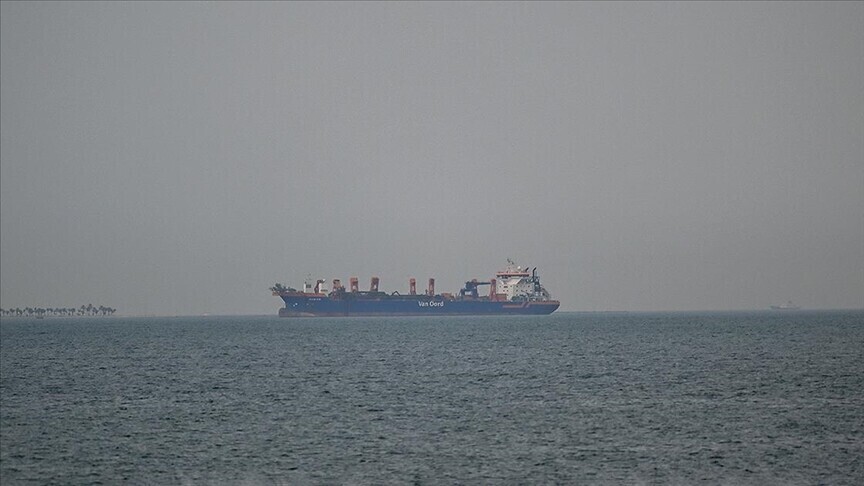
The Iranian government has vehemently denied that any final text has been agreed upon. A source quoted by Sky News Arabia stated that claims of a completed draft are “false,” insisting that Iran has not even formally notified Pakistan—its designated mediator—of any finalized text. The source added that if an agreement were truly ready, Iran would announce it publicly to both the Pakistani intermediaries and its own population.
For more on this story, see Trump’s ‘Clock Ticking’ Threat Sparks Iran’s Hormuz Traffic Mechanism.
The draft’s exclusion of nuclear issues reflects the deep divisions between Washington and Tehran. U.S. officials have long insisted that any lasting deal must include limits on Iran’s uranium enrichment, while Iran has rejected such demands as an infringement on its sovereign rights. The absence of nuclear provisions in the leaked memo suggests that even a temporary ceasefire could collapse if one side perceives the other as gaining an advantage on the core issue.
Hormuz as a Bargaining Chip: Who Wins if the Blockade Holds?
The Strait of Hormuz is more than a flashpoint—it’s a geopolitical weapon. Since Iran closed the strait to unrestricted traffic in March, global oil prices have fluctuated wildly, with some analysts warning of a potential supply shock if the blockade becomes permanent. The U.S. has responded by tightening its own sanctions on Iranian ports, including those along Hormuz, creating a dangerous stalemate where neither side can force the other into submission without risking broader conflict.

For Iran, controlling Hormuz serves multiple purposes. First, it pressures the U.S. and its Gulf allies—particularly Saudi Arabia and the UAE—into concessions on nuclear talks. Second, it demonstrates Tehran’s ability to disrupt global energy markets without firing a single missile. And third, it tests the resolve of international shipping firms, many of which have already rerouted cargo around the Cape of Good Hope, a detour that adds weeks to transit times and millions to shipping costs.
Yet Iran’s gambit carries risks. The U.S. Navy maintains a strong presence in the region, and any direct confrontation with American or allied vessels could trigger a rapid military response. Meanwhile, the European Union and China—both major importers of Iranian oil—have so far avoided openly challenging Tehran’s blockade, fearing retaliation. This ambiguity leaves Hormuz in a dangerous limbo: a crisis that neither side can fully control, but neither can afford to lose.
The Next 60 Days: What Happens If the Draft Fails?
If the current deadlock persists, three scenarios loom. The first is a limited escalation: Iran tightens its blockade further, perhaps by seizing ships that refuse to comply with its rules, while the U.S. and its allies conduct covert operations to sabotage Iranian naval assets. The second is a diplomatic breakdown, where both sides blame each other for the failure of the ceasefire talks and prepare for a longer, more destructive conflict. The third—and most dangerous—is a miscalculation, where a routine incident in Hormuz spirals into a direct confrontation between Iranian and American forces.
One wild card is the role of regional powers. Saudi Arabia, which has quietly supported Iran’s blockade by reducing its own oil exports, may soon face pressure from Washington to increase production and offset the Hormuz disruption. Meanwhile, Russia—already a major beneficiary of higher oil prices—could exploit the crisis to deepen its ties with Tehran, further isolating the U.S. in the region.
For now, the focus remains on the next 60 days. If the U.S. and Iran can finalize a ceasefire agreement—even one that excludes nuclear issues—the strait could reopen, easing global tensions. But if the talks collapse, Hormuz may become a permanent flashpoint, with Iran’s blockade evolving into a de facto war zone. The explosions of Thursday night were a warning: the rules of engagement have changed, and the world’s energy supply hangs in the balance.
One thing is clear: the Strait of Hormuz is no longer just a waterway. It is the frontline of a proxy war between Iran and the U.S., and the next move could determine whether the region slides into chaos—or stumbles toward an uneasy peace.
“الحصول على الإذن وضمان التنسيق أمرا إلزاميا لحركة المرور في مضيق هرمز، وكما تم الإعلام سابقًا فإن العبور عبر مسارات أخرى سيعتبر انتهاكًا وسيتم اتخاذ الإجراءات اللازمة حياله.”
— Iranian Revolutionary Guard Corps, via <a href="https://www.aa.com.
<!– /wp:quote The escalating tensions in the region have left the international community cautiously watching, as the consequences of a miscalculation could have far-reaching repercussions for global stability and economic security.