
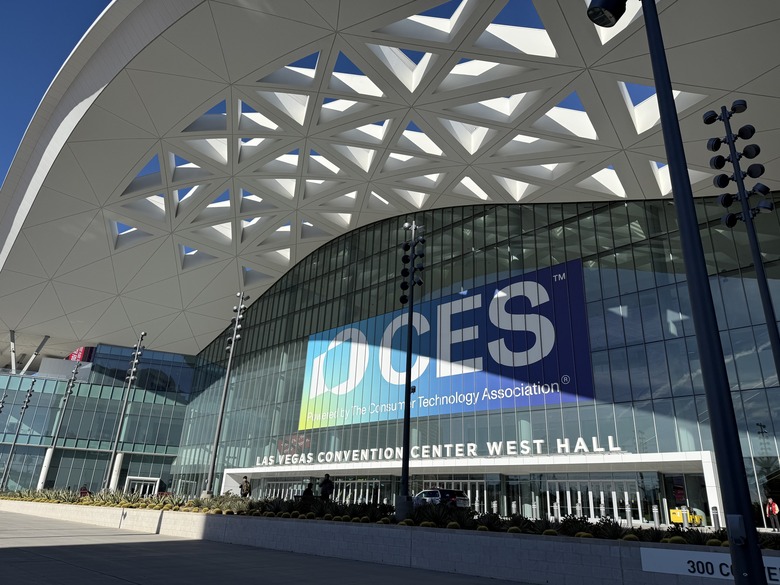
CES 2026 is shaping up to be the biggest tech showcase of the year, with a record 2.5 million square feet of exhibition space across 12 Las Vegas venues—including the Venetian, Wynn, and Park MGM—where industry giants will unveil innovations ranging from AI-driven wellness tools to next-gen displays. But behind the flashy demos lies a critical question: Who gets to see it? The event remains a closed-door industry affair, with public access barred by design, as confirmed by the CES website itself. Registration is restricted to three categories—industry professionals, media, and exhibitors—each with strict eligibility criteria, ensuring the show floor stays exclusive.
The Exclusivity Model: How CES Restricts Public Access Through Registration Rules
The Consumer Electronics Show has been a Las Vegas staple since 1978, yet its “consumer” label is a misnomer. As ZDNET notes, "CES is a trade-only event for individuals 18 years of age or older and affiliated with the consumer technology industry." The three-tiered registration system—industry attendees, media, and exhibitors—creates a gated ecosystem where the average shopper is shut out. This isn’t oversight; it’s by design.
Economic and Strategic Reasons Behind CES’s Closed-Door Policy
The exclusivity serves a purpose: CES is where industry trends are set, not just showcased. Manufacturers use the event to secure partnerships, negotiate bulk deals, and gauge market reactions before public launches. A 2025 filing from the Consumer Technology Association (CTA), which organizes CES, revealed that exhibitors spent $1.2 billion in 2025 alone on booths, activations, and marketing—money that wouldn’t flow if the event were open to casual attendees. The trade-off? No walk-in sales, no retail pressure, and no risk of competitors stealing ideas mid-demo.

But the closed-door policy has consequences. Critics argue it widens the gap between tech innovation and everyday consumers. "You’d think a show called Consumer Electronics would welcome consumers," said a retail analyst at a recent CTA roundtable, though the CTA declined to comment further. Meanwhile, competitors like Germany’s IFA and Japan’s CEATEC have begun offering limited public access, forcing CES to justify its stance.
CES 2026’s High-Profile Tech Announcements and Their Consumer Timelines
While the public can’t attend, the tech being unveiled in January will trickle down to stores—and some innovations will arrive faster than others.
-
AI in Health Monitoring
The COVID-19 era normalized at-home diagnostics, and CES 2026 is doubling down. Two startups, Nutrix AG and Eli Health, are debuting saliva-based cortisol and progesterone testing kits. Nutrix’s cortiSense device, slated for late-2026 launch, measures stress levels via spit and syncs with a wellness app offering AI-driven coaching. Eli Health’s Hormometer adds ovulation tracking, positioning itself as a one-stop reproductive health tool. Both companies are targeting $50–$100 price points, but adoption hinges on insurance coverage—a hurdle that could delay mainstream use by 2027.La DGCCRF, c'est quoi ? (définition, aide, lexique, tuto, explication) For more on this story, see GKN Aerospace Plant in California Faces Chemical Leak Crisis.
-
The Next TV Wars
Samsung, LG, and Sony are expected to clash over microLED and QD-OLED displays, with rumors of a 120-inch foldable TV from a major brand. ZDNET’s sources suggest Sony may finally unveil its Crystal LED tech, a transparent display that could redefine home entertainment. The catch? These panels start at $50,000, pricing them as luxury statements rather than household staples. -
Robotics Beyond the Vacuum
Robot vacuums dominated CES 2025, but 2026’s focus shifts to AI-powered service robots. Expect announcements from companies like Boston Dynamics and Unitree for $30,000 humanoid robots capable of fetching items or assisting with light chores. The barrier? $100,000+ development costs per unit—meaning these won’t hit consumer markets until 2028 at the earliest.
Alternative Ways Consumers Can Access CES Highlights Without Attending
Live Streams & YouTube
ZDNET and Engadget will host real-time coverage, with key demos available on their YouTube channels. Last year’s streams drew over 5 million views, proving the digital alternative works—though it lacks the tactile experience of walking through a booth.

-
Press Tours & Invitation-Only Events
Some brands offer limited press tours for journalists and influencers. In 2025, 12,000 media passes were distributed, but spots are competitive. Engadget’s Cheyenne MacDonald secured access for Nutrix AG’s cortisol demo by pitching a feature story—proof that persistence pays.This follows our earlier report, Anavex Life Sciences Faces Nasdaq Delinquency After Missing 10-Q Filing.
-
Retail Previews in 2026
Products announced at CES often hit stores by June or July of the same year. For example, Samsung’s Galaxy Z Flip 5, teased at CES 2025, launched in May 2025—just four months later. Tracking CES announcements via Engadget’s live updates or ZDNET’s post-show roundups is the next best thing to being there.
Industry Challenges and Potential Shifts in CES’s Exclusivity Model
The trade show’s exclusivity isn’t just about access—it’s about controlling the narrative. By keeping the public out, CES ensures that first impressions are curated, not chaotic. But as AI and health tech blur the lines between consumer and enterprise, the model faces scrutiny.
- Retailer Pushback: Stores like Best Buy and Amazon are increasingly launching their own tech events (e.g., Amazon’s Prime Day Tech Showcase). If CES can’t deliver tangible consumer benefits, retailers may bypass it.
- Regulatory Pressure: The FTC has signaled interest in anti-competitive practices at trade shows, particularly if exclusivity stifles innovation. A 2024 complaint against the CTA (later dismissed) set a precedent.
- The Public’s Patience: Consumers expect faster access to tech. If CES remains a $1.2B industry-only spectacle, the backlash could force a rethink—possibly by 2027 or 2028.
For now, the show goes on as planned. But the question lingering over Las Vegas in January isn’t just what will be unveiled—it’s who gets to see it first, and who pays the price for the wait.
- ZDNET’s CES 2026 preview
- <a href="https://www.engadget.com/ces-2025-live-updates-the-best-tech-announcements-and-gadget-news-from-las-vegas-100003597.
Regardless of industry pressure, the annual spectacle will continue to balance innovation with exclusivity, leaving its future shape dependent on shifting consumer demands and regulatory scrutiny.
