
T-Mobile and Metro by T-Mobile unveiled new 5G home internet plans in June 2026, while Brussels continued to bolster its position as a global gaming hub, according to recent reports. The telecom companies’ pricing strategies and the region’s gaming sector growth highlight a broader shift in digital infrastructure and entertainment markets.
5G Home Internet Pricing and Terms
T-Mobile’s 5G home internet plan guarantees fixed pricing for five years, though additional fees and data caps apply. The carrier’s official site states that customers will pay $35 for a device connection fee, regulatory fees up to $3.99 per line, and federal and local surcharges. Unlimited high-speed data is available in the U.S., but roaming data is limited to 200MB. Meanwhile, Metro by T-Mobile offers a $45/month plan with a $50 first-month fee, requiring a gateway device purchase for $49.99. The provider’s prepaid phone plans include a 1.2TB monthly data cap, after which speeds may be reduced.

AT&T’s Elite 2.0 plan, highlighted in its wireless offerings, emphasizes unlimited data with 250GB of hotspot capacity and international coverage. The carrier also provides free smartwatch and tablet access per line, alongside a data performance boost called AT&T Turbo. While these plans cater to heavy users, they lack the 5-year price guarantees seen in T-Mobile and Metro’s offerings.
Brussels’ Gaming Industry Growth
Brussels’ gaming sector is expanding rapidly, with 23 companies operating in 2023 compared to seven in 2020. The hub.brussels report notes that the region’s gaming industry generated €5.9 million in sales last year, driven by a 21% annual growth rate. This contrasts with slower expansion in Belgium’s other regions, as the capital city hosts a growing number of developers and studios. The sector’s global appeal is underscored by its $220 billion valuation, with mobile games accounting for over $100 billion annually and e-sports generating $1.4 billion in 2023.
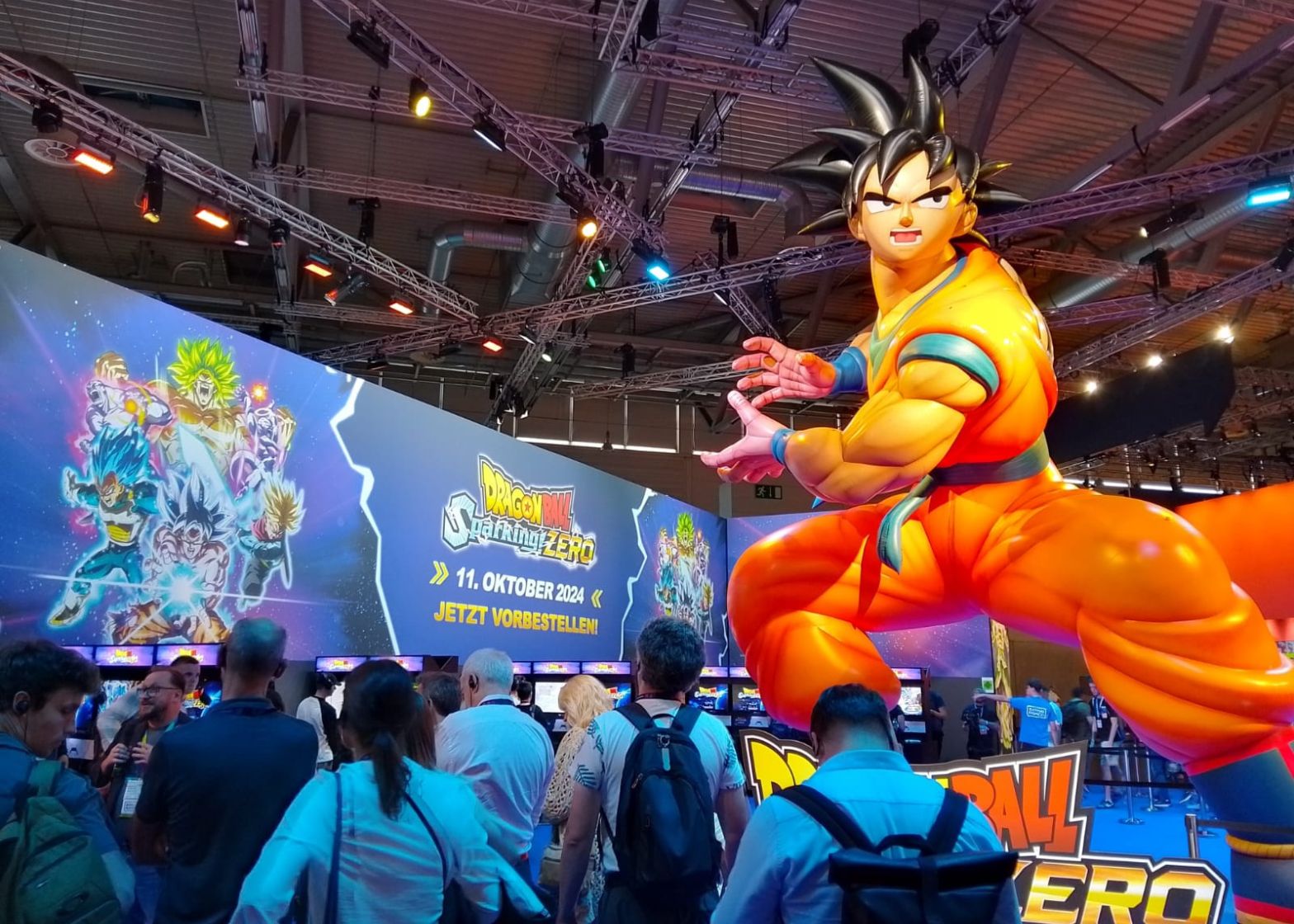
Asia dominates e-sports revenue, contributing $700–770 million of the $1.4 billion total. However, Brussels’ gaming scene is gaining traction through events like Gamescom, where 49 Belgian companies participated in 2026. The city’s focus on innovation and smaller-scale operations has allowed it to avoid overstaffing, a challenge faced by larger multinational firms.
