
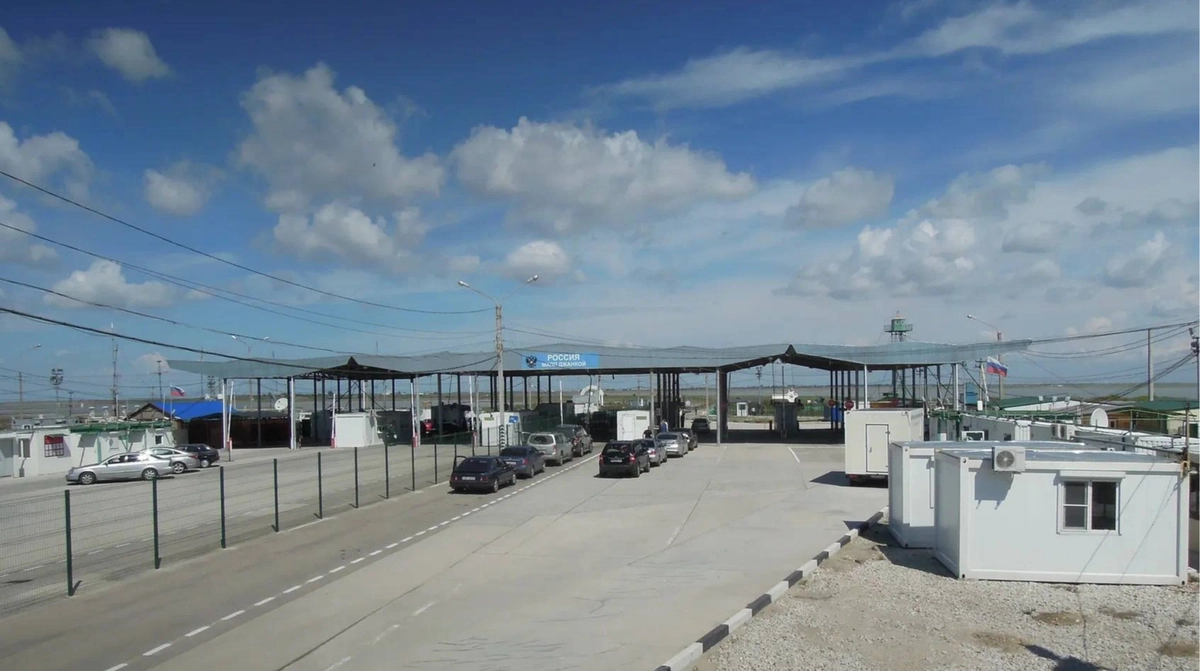
A Ukrainian drone strike in the early hours of June 7, 2026, severely damaged a bridge connecting the Russian-occupied Chonhar region to Crimea, disrupting a key logistics route for Moscow’s forces. According to Pravda.com.ua, the so-called “governor” of occupied Kherson Oblast, Vladimir Saldo—a Kremlin-appointed official—confirmed the attack via Telegram, stating that the bridge near Chonhar had its roadway destroyed, forcing the closure of the Djankoy checkpoint. Traffic was rerouted through alternative crossings at Armjansk and Perekop, though Russian authorities have not provided a timeline for repairs.
Why This Strike Matters: The Bridge’s Strategic Role
The damaged bridge is one of the few remaining land routes between Crimea and the rest of Russia-occupied Ukraine, a vulnerability Ukrainian forces have exploited repeatedly since Moscow’s 2022 annexation of the peninsula. As Interfax Ukraine reported, the strike was carried out by operators from the 3rd Special Operations Brigade, which has increasingly targeted Russian supply lines in southern Ukraine. The bridge’s closure complicates Moscow’s efforts to reinforce its troops in Crimea, where Ukrainian forces have been pressing offensives near the Kerch Strait.
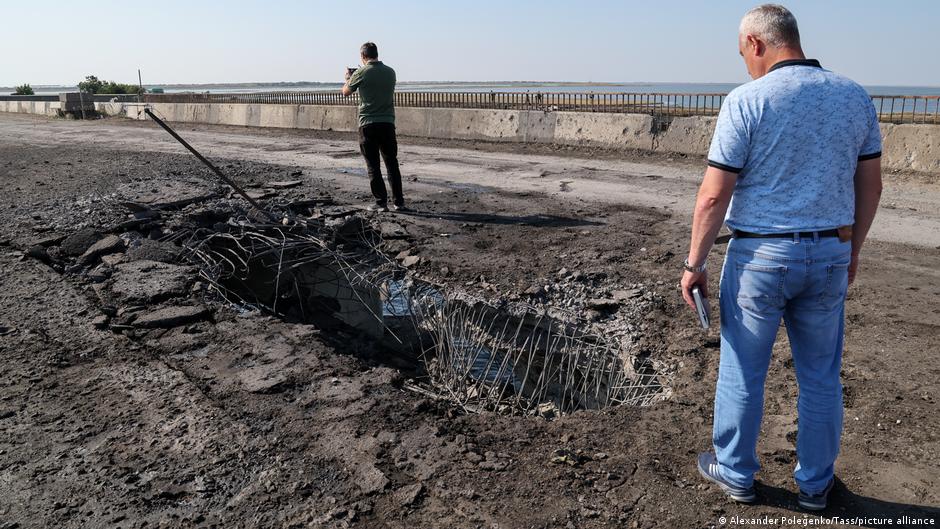
Russian officials have not disclosed the extent of the damage, but the disruption aligns with a broader pattern: Ukrainian drone and artillery strikes have systematically degraded Russia’s logistics infrastructure in the region. In 2023, similar attacks on bridges near Henichesk and the Kerch Strait forced Moscow to reroute military convoys, increasing exposure to further strikes. The current closure underscores how dependent Russian forces remain on these fragile supply chains—despite Moscow’s claims of “consolidated control” over Crimea.
Russian Response: Silence and Workarounds
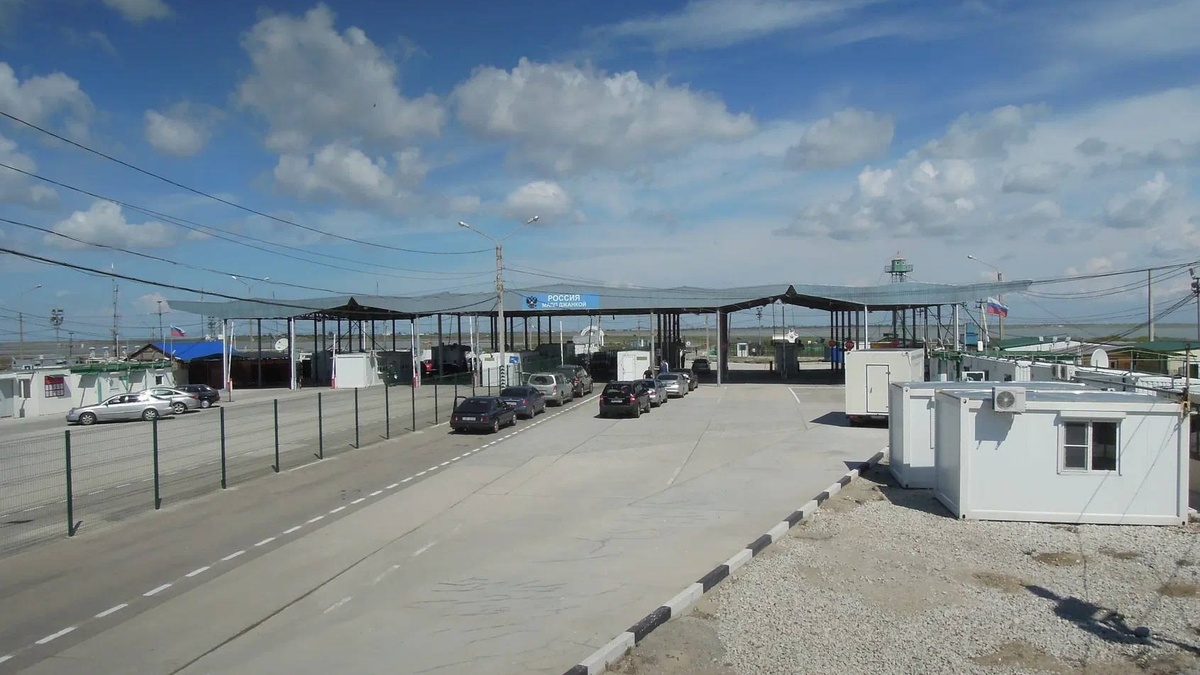
Beyond the official confirmation from Saldo, Russian state media has provided no further details—an unusual silence for an event that directly impacts military operations. Interfax Ukraine noted that while the Djankoy checkpoint is closed, vehicles are being redirected through Armjansk and Perekop, both of which are also vulnerable to future strikes. The lack of a repair timeline suggests either technical challenges or deliberate delay to assess security risks.
Ukrainian military analysts have described the bridge as a “high-value target,” given its role in ferrying troops, ammunition, and fuel between Crimea and the mainland. The strike follows a series of similar operations in recent months, including a 2025 attack on a railway bridge near Melitopol that disrupted Russian troop movements for weeks. The current disruption could force Moscow to accelerate construction of alternative routes—or risk further supply bottlenecks as Ukrainian forces maintain pressure along the southern front.
Broader Implications: Crimea’s Logistical Nightmare
The bridge’s damage is the latest in a string of setbacks for Russia’s Crimean logistics, which have been under sustained attack since Ukraine’s 2023 counteroffensive.
- Henichesk Bridge (2023): Destroyed by artillery, forcing Moscow to build a temporary ferry route.
- Kerch Strait Rail Bridge (2024): Damaged in a drone strike, halting military rail traffic for 48 hours.
- Armyansk Checkpoint (2025): Closed after a missile strike, redirecting convoys to less secure paths.
Each of these incidents has extended transit times, increased fuel consumption, and exposed Russian convoys to greater risk of ambush. The current closure of the Chonhar bridge—combined with ongoing pressure on other routes—suggests Ukraine is deliberately targeting the entire network to strangle Russian supply lines into Crimea. With no signs of a Ukrainian retreat from the southern front, Moscow’s ability to sustain its presence in the peninsula remains in question.
What’s Next: Will Russia Retaliate—or Double Down?
Russian responses to such strikes have historically fallen into two categories: retaliatory airstrikes against Ukrainian positions near the front lines, or accelerated infrastructure projects to bypass vulnerabilities. Given the strategic importance of Crimea—where Russia has concentrated its Black Sea Fleet and missile systems—the Kremlin is unlikely to ignore this disruption. However, with Ukrainian forces holding the initiative in southern Ukraine, a direct escalation could backfire, drawing Western attention to Russia’s logistical weaknesses.
Alternatively, Moscow may attempt to compensate by expanding its use of temporary ferry routes or constructing floating bridges—a tactic it employed after the 2023 Henichesk strike. However, such measures are costly, time-consuming, and vulnerable to further attacks. The longer the Chonhar bridge remains closed, the more Russia’s Crimean logistics will resemble a patchwork of vulnerable workarounds—hardly a stable foundation for a long-term occupation.
For now, the strike serves as a reminder of Ukraine’s ability to degrade Russian supply lines even in occupied territories. With summer offensive preparations underway, the next few weeks will be critical in determining whether Moscow can stabilize its Crimean foothold—or if Ukrainian forces can exploit these logistical gaps to force deeper withdrawals.
