
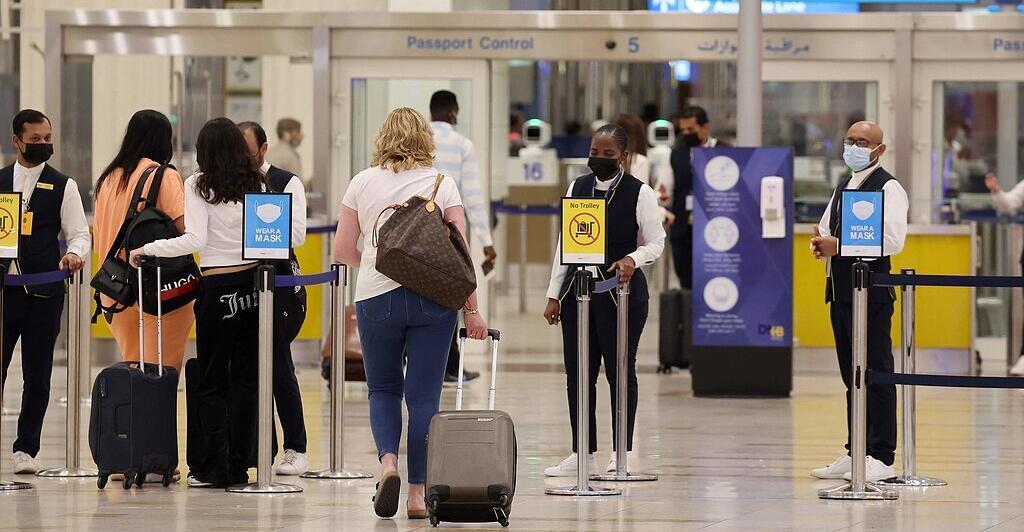
The World Air Transport Association (IATA) has warned that rising fuel prices, exacerbated by the Iran-Krieg, could push additional airlines into bankruptcy, with low-cost carriers particularly vulnerable. IATA Chief Willie Walsh expressed concerns during a conference in Rio de Janeiro, stating, “I fear that some airlines will struggle to cope with these high fuel prices,” according to news.google.com. The conflict has disrupted fuel supplies and flight routes, forcing airlines to take costly detours, while delays in aircraft deliveries from Boeing and Airbus further strain the industry. A June 2025 filing by IATA to the International Civil Aviation Organization (ICAO) highlighted that global fuel costs have risen 32% year-over-year, with airlines like Norwegian Air Shuttle and Spirit Airlines already reporting liquidity issues. WELT reported that the IATA expects some carriers to collapse or be acquired, with low-cost airlines like Ryanair in Europe faring better outside the U.S., where legacy carriers dominate.
Conflict Escalation: Fuel Prices and Route Disruptions
The Iran-Krieg has significantly impacted global air travel, with fuel prices surging due to reduced supply and geopolitical tensions. The conflict has also disrupted key flight corridors in the Middle East, including routes through Dubai, Doha, and Abu Dhabi, which are critical for Gulf airlines like Emirates and Qatar Airways. Walsh noted that these airlines, which account for 14% of global capacity, face “no immediate replacement” for their role as air traffic hubs. WELT reported that the IATA expects some carriers to collapse or be acquired, with low-cost airlines like Ryanair in Europe faring better outside the U.S., where legacy carriers dominate. According to a May 2025 internal memo from Emirates, the airline has rerouted 12% of its flights away from the Middle East, increasing fuel costs by 18% compared to 2024. Qatar Airways CEO Akbar Al Baker told Bloomberg in a June 2025 interview that the company is “exploring alternative routes through Africa and the Indian Ocean,” though such detours add 2–3 hours to transcontinental flights.

The conflict has also triggered a 45% spike in jet fuel prices since January 2025, according to the U.S. Energy Information Administration (EIA). This has hit low-cost carriers hardest, as they operate on narrow profit margins. Ryanair, for example, reported a 22% decline in quarterly profits in June 2025, citing “unprecedented fuel cost inflation.” In contrast, U.S. legacy carriers like American Airlines and Delta Air Lines have seen more stable performance due to long-term fuel hedging contracts. However, even these carriers are under pressure: American Airlines’ CEO Robert Crandall warned in a June 2025 earnings call that “the current fuel price environment is the most challenging since 2008.” The IATA’s June 2025 report estimated that the industry’s collective fuel bill has surpassed $150 billion for the first half of 2025, a 27% increase from the same period in 2024.
Manufacturer Delays and Industry Frustration
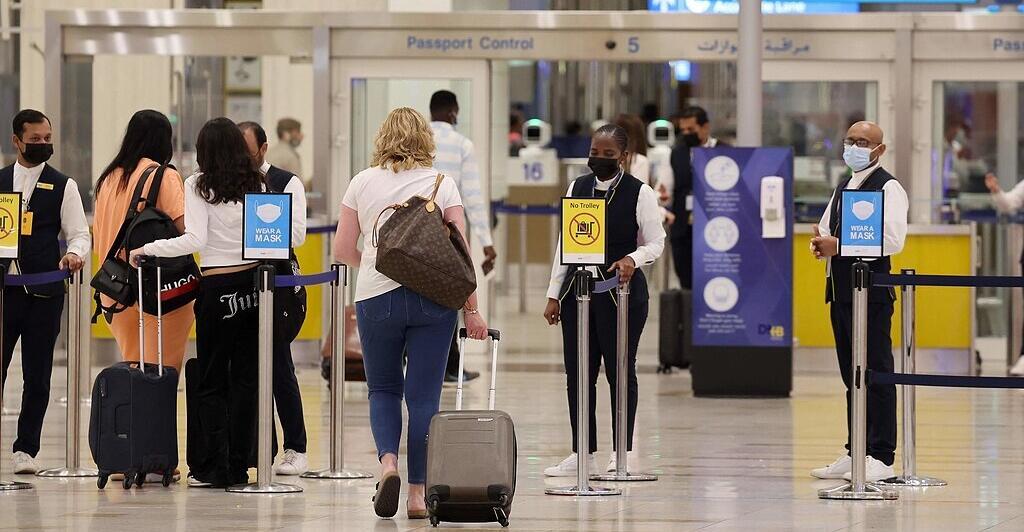
Walsh criticized aircraft manufacturers for sluggish delivery schedules, citing delays in Boeing and Airbus planes and engine shortages from GE Aerospace and Pratt & Whitney. These bottlenecks cost airlines $11 billion in 2025, according to news.google.com. “We are disappointed that they are not sharing the burden of the aviation industry,” Walsh said, highlighting the sector’s struggle to modernize fleets amid financial pressure. Manufacturers attributed the delays to post-pandemic supply chain issues and geopolitical trade disputes.
