
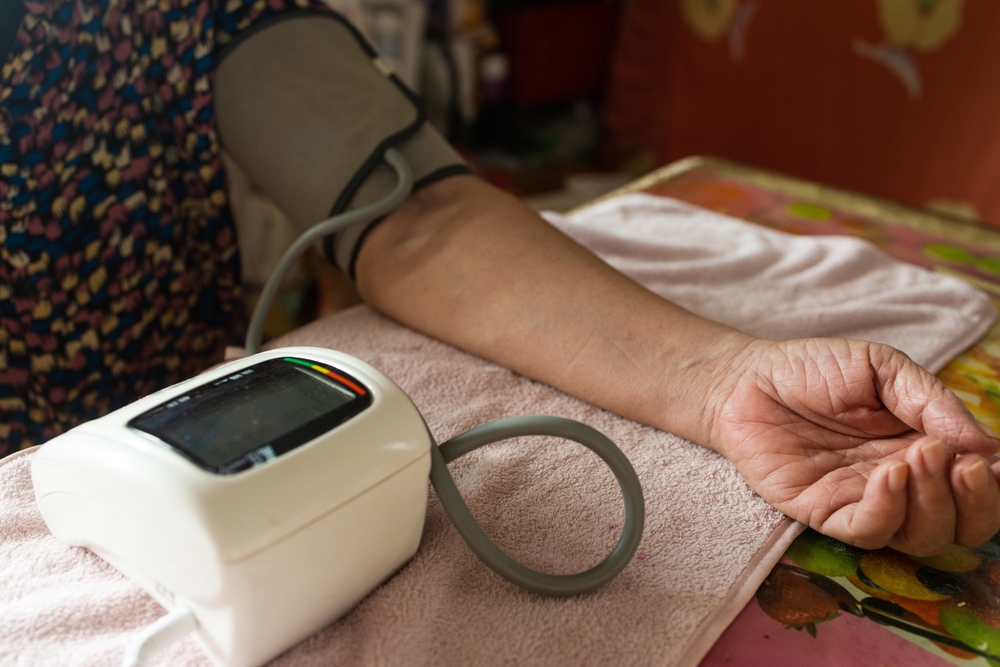
Physicians are increasingly highlighting the dangers of asymptomatic cardiovascular risk factors, specifically hypertension, elevated cholesterol, and blood glucose levels. Clinical data indicates that these conditions often develop without noticeable symptoms, yet they remain the primary drivers of heart attacks and strokes, requiring consistent monitoring to prevent long-term vascular damage.
The Silent Progression of Cardiovascular Risk Factors
Cardiovascular health is often compromised by conditions that remain hidden until a major medical event occurs. According to a report from Gismeteo, medical professionals are emphasizing that sustained high blood pressure is the most significant threat to the cardiovascular system. Without intervention, hypertension damages vessel walls and increases the workload on the heart, potentially leading to renal failure, myocardial infarction, or stroke.

These risks are compounded by metabolic markers that often evade detection. High cholesterol and elevated blood glucose levels do not typically cause immediate physical discomfort, but they contribute to the progressive degradation of the vascular and nervous systems. Excess glucose, in particular, is linked to the long-term deterioration of blood vessels, according to medical guidance cited by Gazeta.press.
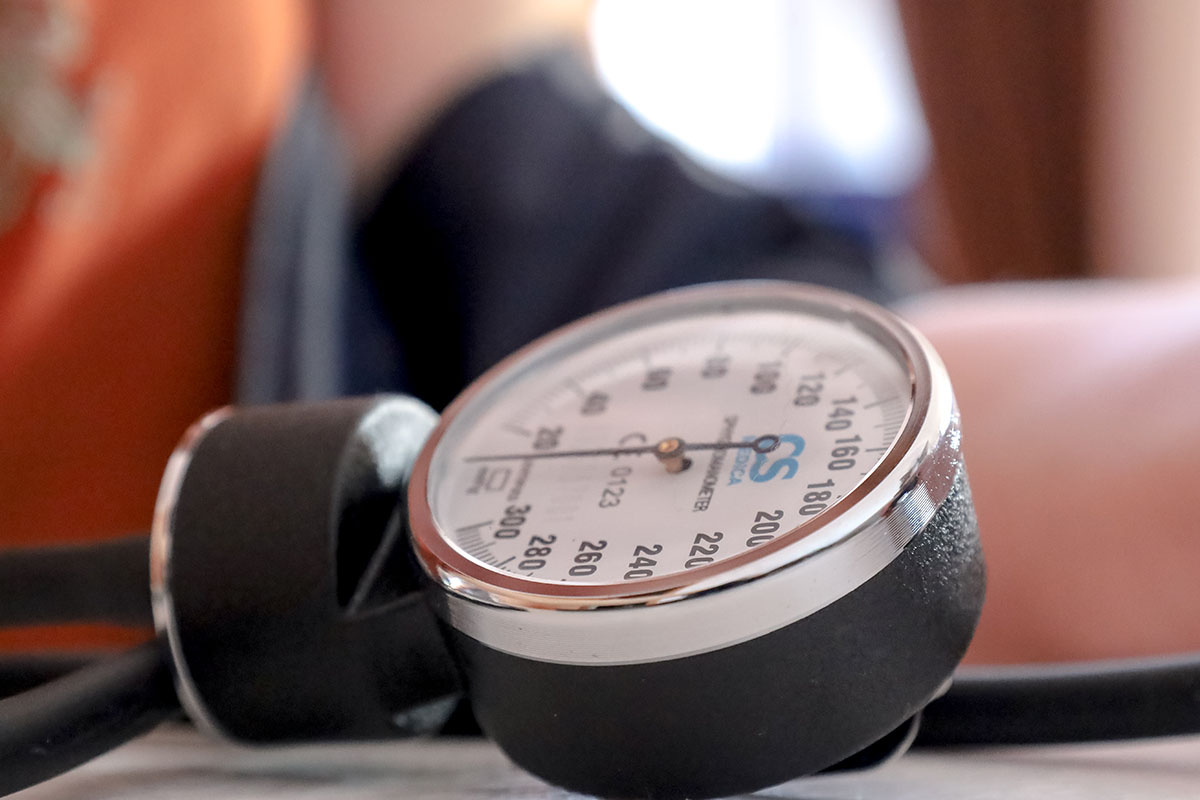
The clinical challenge lies in the “silent” nature of these pathologies. Because hypertension and dyslipidemia—the medical term for abnormal cholesterol levels—rarely present with acute physical sensations, many individuals remain unaware of the physiological strain occurring within their arterial walls. Over time, this strain leads to structural changes, such as the thickening of the heart’s left ventricle (left ventricular hypertrophy) or the stiffening of arterial walls, which further elevates blood pressure in a feedback loop that clinicians work to interrupt through pharmacological and lifestyle interventions.
Hypertension as the Primary Driver of Vascular Disease
The correlation between blood pressure and acute cardiac events is well-documented in clinical literature. Research analyzing outcomes for nine million people found that in both the United States and South Korea, more than 93% of patients who suffered a heart attack, stroke, or heart failure had been diagnosed with hypertension prior to the onset of the condition, as reported by Techinsider.
Beyond chronic hypertension, medical experts point to the dangers of volatile pressure fluctuations. According to NEWS.ru, cardiologists identify both consistent hypertension and sudden spikes or drops in blood pressure as critical triggers for strokes. These events are often exacerbated by atherosclerosis, a chronic condition involving the buildup of plaque in the cerebral arteries. While atherosclerosis can begin at an embryonic level, its progression varies significantly between individuals, eventually restricting blood flow to the brain.
For more on this story, see Kidney disease poised to become 5th leading global killer by 2040-lifestyle risks drive silent epidemic.
The physiological mechanism connecting these factors is complex. Atherosclerosis involves the accumulation of fats, cholesterol, and other substances in and on the artery walls. As these plaques grow, they can rupture, leading to the formation of blood clots that obstruct blood flow. When this occurs in the coronary arteries, it results in a myocardial infarction; when it occurs in the arteries supplying the brain, it results in an ischemic stroke. The presence of hypertension acts as a mechanical stressor that accelerates the damage to the endothelial lining of these vessels, making the vessel walls more susceptible to plaque buildup and rupture.
Monitoring Heart Rate and Preventive Measures
Physicians suggest that routine monitoring of resting heart rate is a simple, effective tool for early detection of potential cardiac issues. For most adults, a normal resting pulse typically falls between 60 and 100 beats per minute. Deviations from this range may indicate underlying cardiovascular dysfunction, warranting a professional medical evaluation.

Preventive strategies focus on lifestyle modifications to mitigate these hidden threats. Experts recommend the following approaches to lower the risk of stroke and heart attack:
- Strict management of blood pressure through regular monitoring.
- Limiting the consumption of salt, alcohol, and sugar.
- Maintaining consistent physical activity to improve circulation and aid in weight control.
These measures are designed to strengthen the cardiovascular system and reduce the likelihood of developing ischemic conditions. While conditions like atherosclerosis are considered nearly universal, proactive management of blood pressure and metabolic markers remains the most effective strategy for reducing the severity of long-term health complications.
It is important to understand the limitations of home monitoring. While measuring blood pressure and pulse at home provides valuable snapshots of health, these readings do not replace a formal clinical diagnosis. A healthcare provider uses these data points in conjunction with comprehensive blood panels (to assess lipids and glucose), physical examinations, and potentially diagnostic imaging to form a complete picture of cardiovascular risk.
Patients are advised to consult their healthcare provider to establish a personalized monitoring plan for these indicators. A physician can help determine the frequency of testing based on an individual’s unique risk profile, family medical history, and existing health status. Engaging in regular consultations ensures that any emerging trends—such as a gradual creep in blood pressure or glucose levels—can be addressed through early intervention, which is consistently shown to be more effective than managing advanced vascular disease.
Find more reporting in our Health section.
