

The U.S. Geological Survey (USGS) has identified prairie-pothole wetlands as significant contributors to carbon sequestration, according to a 2026 report by the agency. These wetlands, characterized by high vegetation productivity and low carbon decomposition rates, store substantial amounts of carbon in soil, according to the USGS. The findings align with the agency’s broader climate science plan, which emphasizes long-term monitoring of ecosystems to predict climate change impacts.
USGS Research on Carbon Sequestration in Wetlands
Ecological Mechanisms of Prairie-Pothole Carbon Storage
Prairie-pothole wetlands, found primarily in the northern Great Plains, play a critical role in regional and global carbon budgets, according to the USGS. These ecosystems accumulate carbon due to their highly productive vegetation and slow decomposition processes, as outlined in the agency’s 2026 carbon sequestration research. However, their ability to store carbon is threatened by agricultural expansion, which alters natural hydrology and accelerates carbon release.
The USGS has prioritized studying these wetlands as part of its climate science plan, which includes establishing monitoring networks across diverse ecosystems to track carbon dynamics. The agency’s 2026 report highlights that prairie-pothole wetlands could serve as models for understanding how other carbon-rich landscapes, such as peatlands or forests, respond to environmental changes.
Climate Science Plan and Monitoring Efforts
Tracking Carbon Dynamics Under Extreme Weather
The USGS’s 2026 climate science plan outlines a strategy to improve understanding of how climate change affects carbon cycling. Key initiatives include expanding long-term monitoring of ecosystems, developing advanced sensors for carbon tracking, and integrating research with land management practices. The plan emphasizes the need for multidisciplinary studies to quantify how disturbances like wildfires or droughts impact carbon storage.
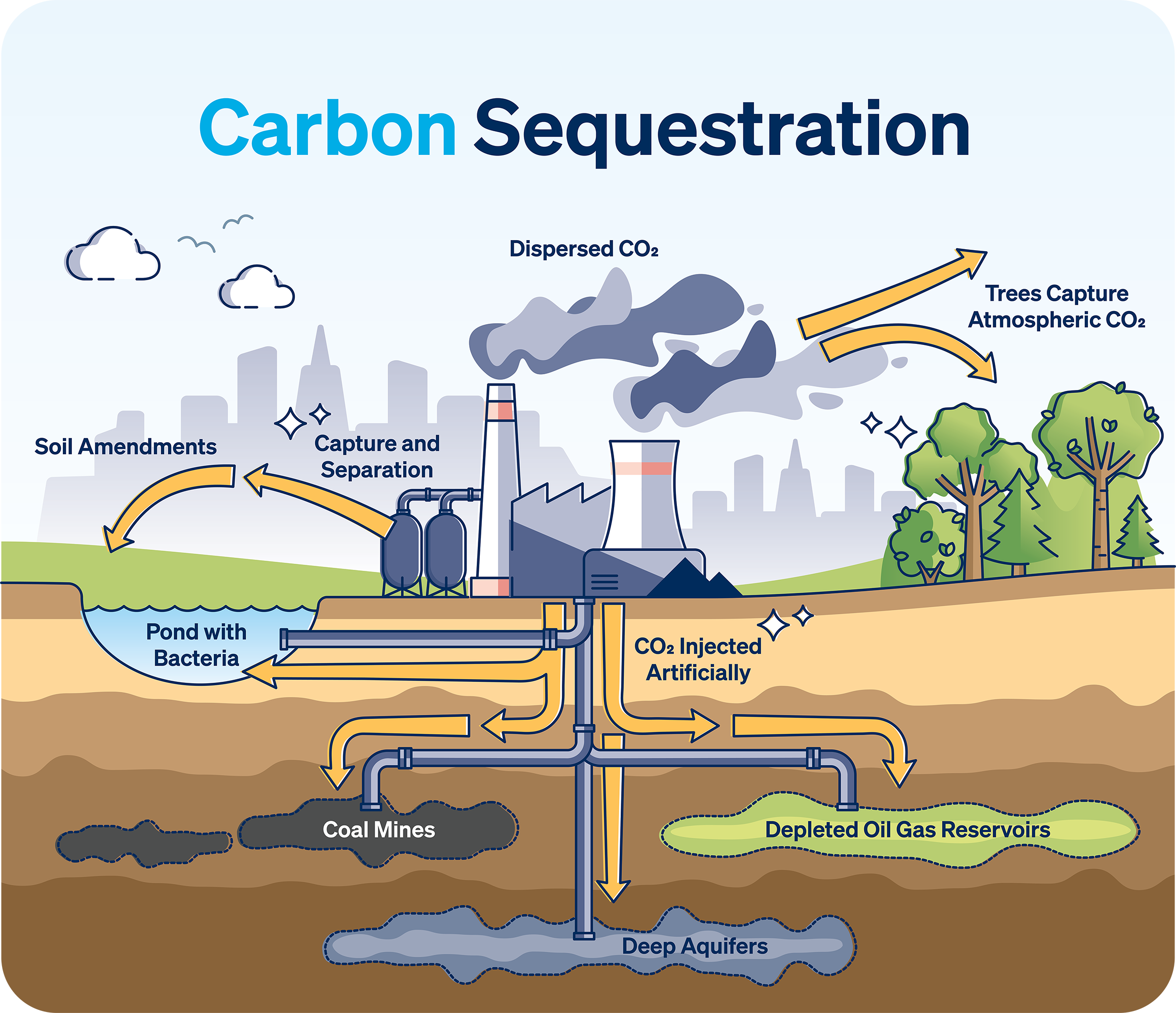
One focus area is the interaction between carbon sequestration and extreme weather events. For example, the agency’s research notes that prolonged droughts could reduce wetland productivity, diminishing their capacity to store carbon. Conversely, increased precipitation from climate change might enhance vegetation growth, potentially offsetting some losses. These dynamics are being studied through field experiments and predictive modeling.
Implications for Carbon Management Policies
Integrating Scientific Data into Land-Use Strategy
The USGS findings underscore the importance of preserving carbon-rich ecosystems like prairie-pothole wetlands. While the agency does not directly address policy recommendations, its research provides data that could inform land-use decisions. For instance, protecting wetlands from agricultural conversion might help maintain their carbon storage capacity, as suggested in the 2026 report.
The agency also collaborates with federal and state agencies to integrate carbon monitoring into resource management. By linking climate science with practical applications, the USGS aims to support decisions that balance economic development with environmental conservation. This approach is critical for meeting national and international climate goals, such as reducing greenhouse gas emissions.
Challenges and Future Research
Scaling Global Monitoring for Climate Modeling
Despite the progress, the USGS acknowledges uncertainties in predicting long-term carbon storage trends. Factors like land-use changes, climate variability, and feedback loops between ecosystems and atmospheric conditions complicate modeling efforts. The 2026 climate science plan calls for expanded research into these interactions, including partnerships with academic institutions and international organizations.

A key challenge is scaling up monitoring efforts to cover a broader range of ecosystems. While prairie-pothole wetlands are a focus, the agency is also studying forests, coastal zones, and polar regions to build a comprehensive understanding of carbon dynamics. This work is expected to refine climate models and improve predictions about future carbon storage capacities.
The USGS’s 2026 research highlights the role of prairie-pothole wetlands in carbon sequestration, emphasizing their vulnerability to human activities and climate change. By expanding monitoring networks and integrating climate science with land management, the agency aims to provide actionable insights for policymakers. While the findings do not directly address mountainous landscapes, they contribute to a broader understanding of how ecosystems store and release carbon, a critical factor in global climate strategies.
- U.S. Geological Survey. "Carbon Sequestration." https://www.usgs.gov/programs/land-management-research-program/science/carbon-sequestration
- U.S. Geological Survey. "U.S. Geological Survey Climate Science Plan—Future Research Directions.
Find more reporting in our Tech section.
