
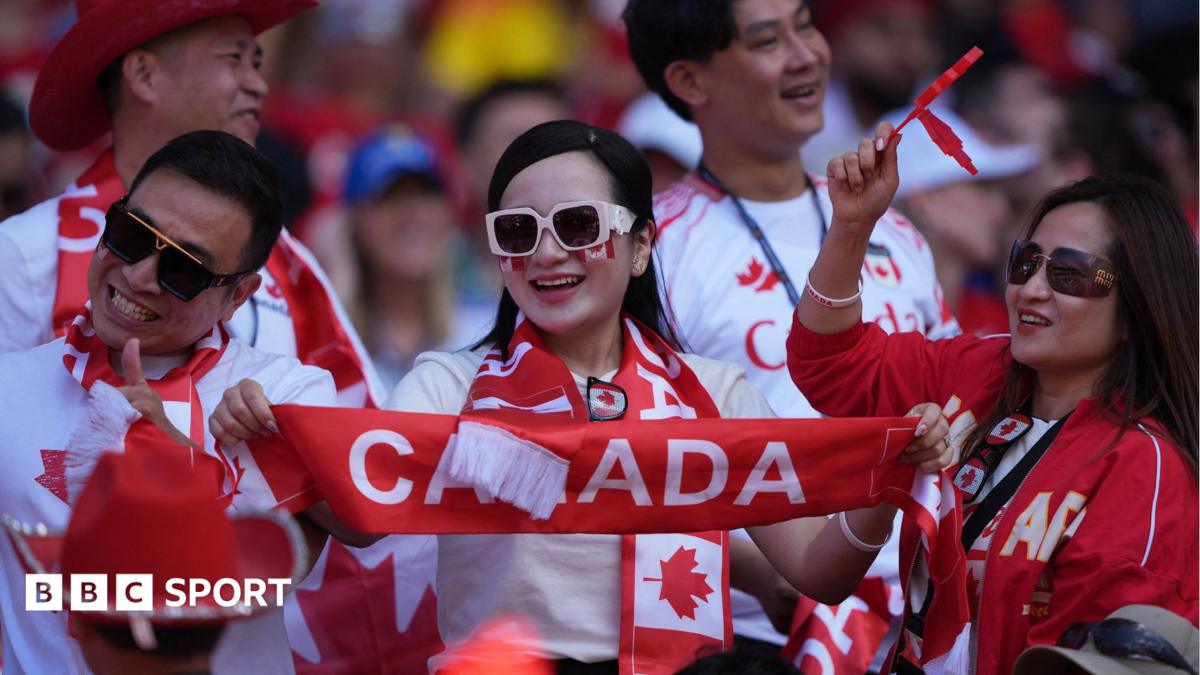
Canada opened their 2026 FIFA World Cup campaign against Bosnia and Herzegovina today, June 12, in Toronto. The match marks a significant moment for the co-hosts, who are looking to capitalize on home advantage, while Bosnia enters the tournament as the lowest-ranked European qualifier after a dramatic playoff victory.
Canada’s World Cup Ambitions and Squad Depth
Canada enters this tournament under the guidance of manager Jesse Marsch, whom the Racing Post describes as an underrated gaffer. The team is currently balancing high expectations with physical concerns. Star player Alphonso Davies, who was not expected to start in the opening XI, remains on the mend, according to live reporting from The Guardian. Davies, a foundational piece for Canada’s tactical setup, is being monitored by team medical staff, with his return status for subsequent group stage matches dependent on his recovery progress and further evaluations later this week.


The squad features a mix of veteran stability and youthful attacking talent. Jonathan David, who serves as the team’s record goalscorer with 39 goals in 77 games, leads the line. His form is critical for a Canadian side aiming to progress past the group stage for the first time in their history. Meanwhile, Jonathan Osorio, at 33, remains the oldest member of the side, having spent over a decade with Toronto FC, as noted by RTE. Osorio’s familiarity with the venue—BMO Field—provides a tactical familiarity that Marsch is relying on to anchor the midfield in the absence of a fully fit Davies.
Bosnia and Herzegovina: The Underdog Narrative
For Bosnia and Herzegovina, this tournament represents a high-stakes challenge under manager Sergej Barbarez. The team secured their spot on the world stage by defeating four-time winners Italy in the March play-offs, a result described by RTE as one that broke Italian hearts. The victory was a historic milestone for the Balkan nation, as they navigate the rigorous UEFA qualification path that often excludes smaller footballing nations from the global stage.
The team’s veteran captain, Edin Dzeko, continues to influence the squad despite being 40 years old. Dzeko’s personal history is deeply tied to the nation’s identity; he lived through the siege of Sarajevo during the Bosnian War that began in 1992. As reported by the BBC, Dzeko’s journey from a childhood marked by conflict to becoming a premier striker remains a central theme for the team. His leadership role is not merely ceremonial; he acts as the primary mentor for a younger generation of Bosnian players who are competing in their first major international tournament.
“That stadium is going to be red, not blue,”
This sentiment reflects the high-intensity atmosphere expected in Toronto, even as Dzeko began the match on the bench. The crowd dynamics in Toronto, a city with a significant diaspora population, often lead to split allegiances, though the local Canadian support remains the loudest presence in the stadium for this opening fixture.
Group B Dynamics and Tournament Context
Group B presents a difficult path for all involved, featuring Canada, Bosnia, Qatar, and Switzerland. The structure of the 2026 tournament, which has expanded the field to 48 teams, changes the qualification math for the knockout rounds. With only the top two teams in each group guaranteed a spot in the Round of 32, every point in the opening match is vital. Switzerland arrives with considerable experience, having been edged out on penalties by England in the Euro 2024 quarter-finals. Qatar, managed by Julen Lopetegui, is looking to improve upon a difficult 2022 debut where the nation lost all three group matches.

The contrast in expectations is sharp. Betting markets favor Canada, with the Racing Post highlighting the match as part of a potential accumulator bet, citing Canada’s home advantage and the perception that Bosnia was fortunate to qualify. However, the tournament remains unpredictable. As the opening matches progress, the focus for Canada shifts to whether they can turn home support into points, while Bosnia aims to prove they belong among the elite 32 nations. For Canada, the primary objective is to build momentum before their next scheduled match, as home-field pressure historically impacts the performance of tournament co-hosts.
The stakes are amplified by the tournament’s schedule, which sees teams playing on a condensed timeline. Squad depth and the ability to rotate players effectively under FIFA’s substitution rules will likely dictate success as the group stage concludes. For players like Jonathan David and the veteran core of the Bosnian side, this match serves as the tone-setter for the entire campaign, influencing the psychological standing of each team as they prepare for the remainder of their group-stage assignments.
Find more reporting in our Sport section.
