
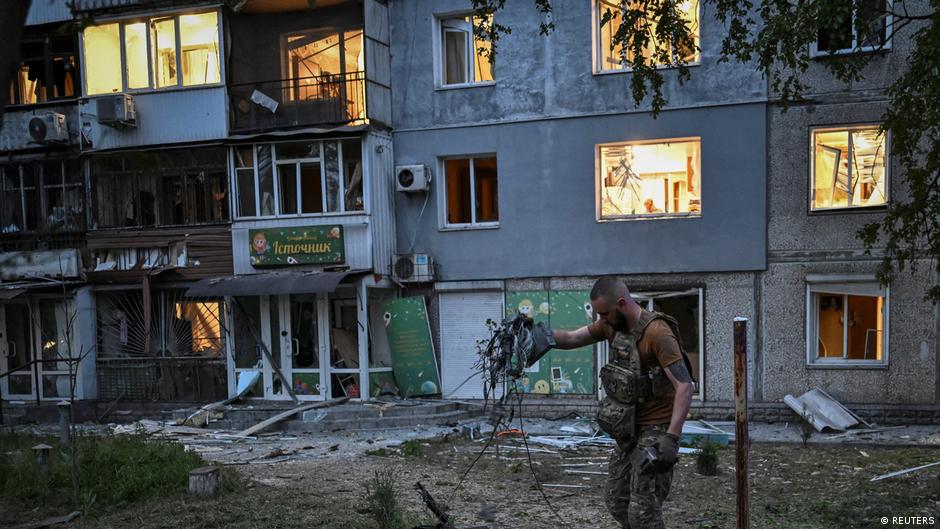
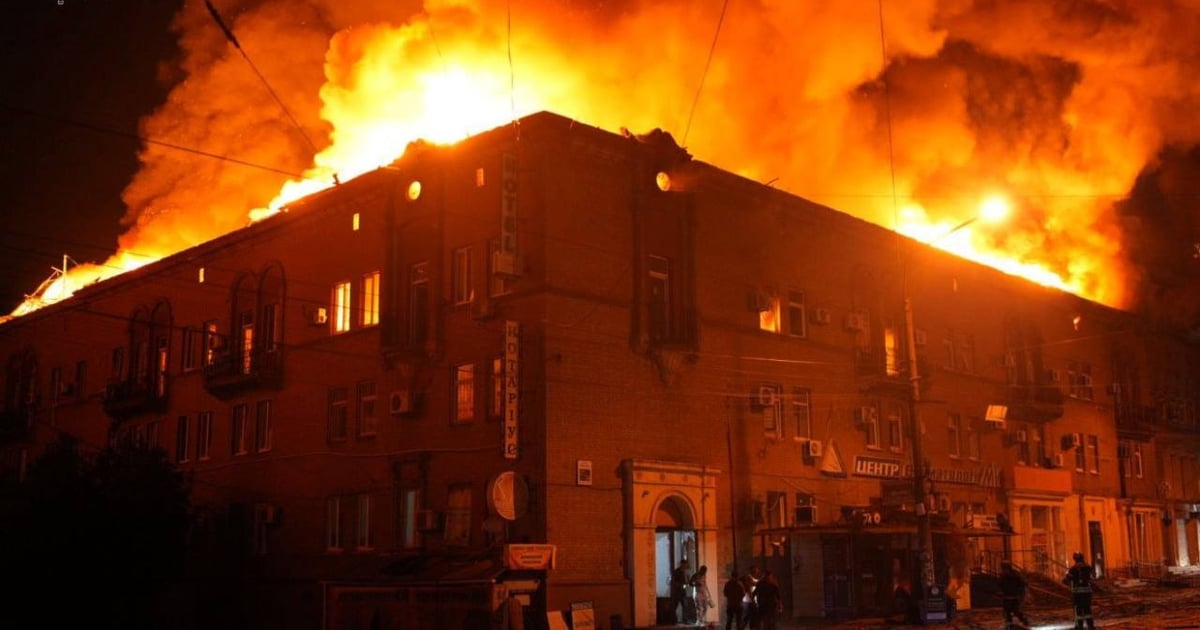
Russian forces launched a series of attacks on the city and region of Zaporizhzhia between the evening of June 16 and June 17, 2026, resulting in one death and at least 14 injuries. The strikes damaged residential buildings, a trade center, and the Zaporizhzhia National University, according to local officials and police reports.
The Human and Infrastructure Toll in Zaporizhzhia
The toll from the overnight assault has been reported with varying figures across regional sources. Ivan Fedorov, head of the Zaporizhzhia Regional Military Administration, confirmed that one person died after a drone struck their vehicle. While initial reports from Deutsche Welle and Ukrainska Pravda cited seven wounded, later updates provided by Hromadske and Interfax-Ukraine confirmed the total number of injured individuals rose to 14 by the morning of June 17.
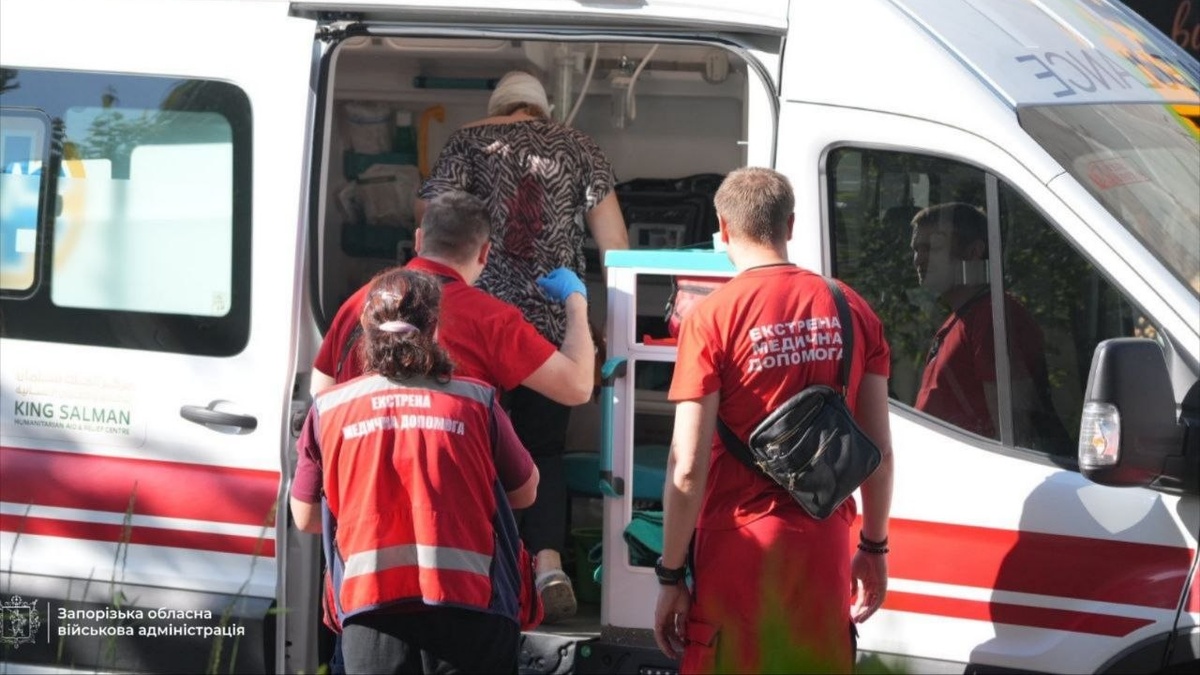
The damage to civilian infrastructure is extensive. According to regional authorities, the attacks impacted nine residential buildings in the Oleksandrivskyi and Kosmichnyi districts, including five apartment blocks and four private homes. The Zaporizhzhia National University also sustained damage, with windows blown out by the force of the blasts. Emergency response teams, including personnel from the State Emergency Service of Ukraine, were deployed immediately to the sites of the strikes to conduct search and rescue operations and to clear debris that blocked transit routes in the affected city districts.
Scale of the Regional Offensive
The strikes on the city were part of a broader, high-intensity campaign across the Zaporizhzhia region. Officials reported that Russian forces carried out 931 attacks against 50 different settlements within a 24-hour period. This operational tempo highlights the use of diverse weaponry:
- 642 drone strikes, primarily using FPV (first-person view) models.
- 253 artillery barrages targeting various communities, including Orikhiv and Huliaipole.
- 28 aerial strikes across multiple districts.
- 8 rocket system (MLRS) attacks.
The breadth of these attacks, as detailed by Interfax-Ukraine, indicates a systematic effort to target both residential centers and regional infrastructure. Beyond the city of Zaporizhzhia, settlements such as Stepnohirsk, Mala Tokmachka, and Novodanylivka reported significant damage to housing and transportation assets. The use of FPV drones in such high volume reflects a shift in battlefield tactics observed throughout the region, where low-cost, maneuverable aerial systems are increasingly utilized to strike targets in close proximity to the front lines as well as deeper within residential zones.
Operational Patterns and Regional Impact
Zaporizhzhia has remained a focal point of the conflict due to its geographic position and its status as a major industrial and logistics hub. The regional administration has documented a consistent pattern of “double-tap” strikes and nighttime barrages intended to disrupt the work of emergency services. By targeting infrastructure such as apartment blocks and educational institutions, these attacks create significant displacement of the local population. Regional authorities have emphasized that the civilian population in frontline settlements, particularly those in the Orikhiv and Huliaipole sectors, faces constant threats from artillery and aerial bombardment, leading to ongoing evacuation efforts coordinated by local civil-military administrations.
Contextualizing the Surge in Violence
The recent escalation in Zaporizhzhia aligns with a broader trend of increased strikes on civilian areas. Reporting from Deutsche Welle notes that May 2026 was recorded as the deadliest month for Ukrainian civilians in four years, with casualty counts exceeding 2,000.
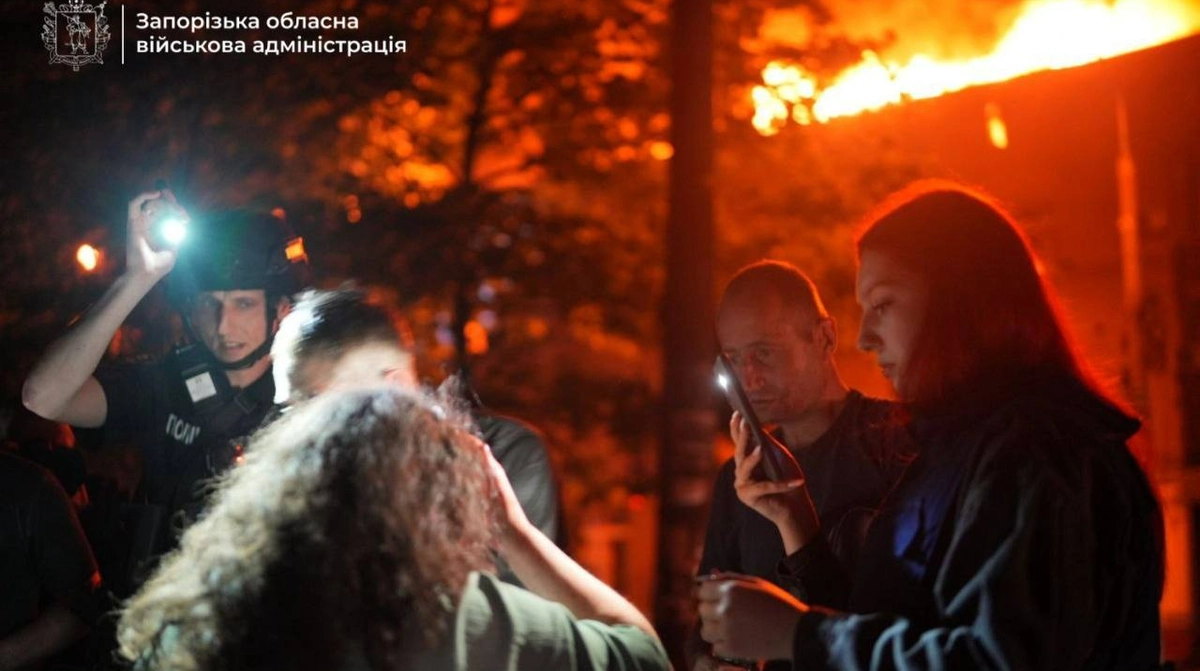
International observers and local authorities point to the use of powerful explosive weapons in densely populated urban zones as the primary driver of these casualties. With 72 separate reports of damaged homes and infrastructure filed in the Zaporizhzhia region alone over the last day, the humanitarian impact remains a critical concern for local emergency services currently working to clear rubble and assist the displaced. The systemic nature of these attacks—targeting power grids, residential blocks, and educational facilities—follows a documented pattern of warfare aimed at degrading the functional capacity of regional centers. As regional military administrations continue to assess the damage, the primary challenge remains the provision of immediate shelter and medical support to those who have lost their homes in the June 16-17 surge.
Find more reporting in our News section.
