
is your startup’s branding ready to compete in tomorrow’s market? This article explores the future of startup branding, providing key trends and predictions to help you build a lasting brand identity. Discover actionable strategies, from hyper-personalization to data-driven insights, designed to elevate your early-stage venture and secure long-term success.
The Future of Startup Branding: Trends and Predictions
Table of Contents
The world of startups is constantly evolving, and with it, the strategies for building a strong brand. From logo design to market presence, the way early-stage ventures establish themselves is crucial for long-term success. Let’s dive into the emerging trends shaping the future of startup branding.
The Rise of Hyper-personalization
One of the most notable trends is the move towards hyper-personalization. Startups are no longer just creating generic brands; they’re crafting experiences tailored to specific customer segments. This involves understanding individual needs and preferences to deliver highly relevant messaging and products.
Case Study: Consider a fintech startup that uses AI to analyze user spending habits and offers personalized financial advice. This level of customization builds stronger customer relationships and fosters brand loyalty.
Embracing Digital-First Strategies
Digital channels are now the primary touchpoints for most startups. This means a strong online presence is non-negotiable. From a user-kind website to active social media engagement, startups must prioritize digital-first strategies.
pro Tip: Focus on creating valuable content, such as blog posts, videos, and infographics, to attract and engage your target audience. SEO optimization is also critical for improving online visibility.
The Power of Storytelling
Consumers connect with brands that have a compelling story. Startups are increasingly using storytelling to communicate their mission,values,and the “why” behind their products or services. This humanizes the brand and creates an emotional connection with the audience.
Did you know? Brands that effectively tell their story often see higher engagement rates and customer retention.
Consumers are more conscious of the environmental and social impact of the brands they support. Startups that prioritize sustainability and social responsibility are gaining a competitive edge. This includes ethical sourcing, eco-friendly practices, and supporting social causes.
Example: A food delivery startup that partners with local, lasting farms and uses electric vehicles for deliveries can build a brand image that resonates with environmentally conscious consumers.
Data-Driven Branding
Data analytics is playing a crucial role in shaping branding strategies. Startups are using data to understand customer behavior, measure the effectiveness of their campaigns, and make informed decisions about their brand messaging and positioning.
Pro Tip: Implement tools to track website traffic, social media engagement, and customer feedback. Use this data to refine your branding efforts and optimize your marketing spend.
The Role of Incubation Centers and Support Systems
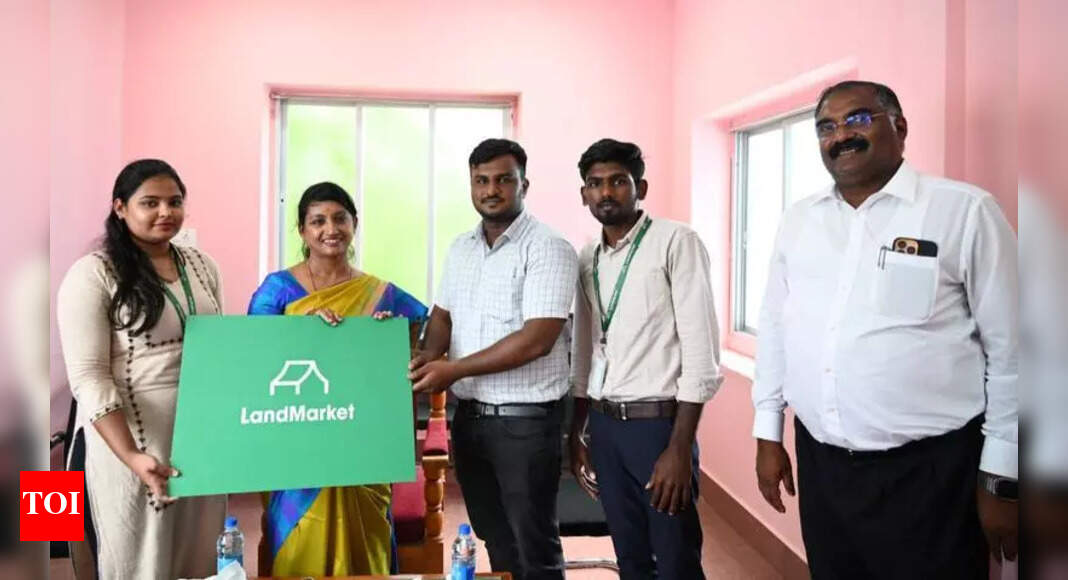
As seen with the Anna Business Incubation Research Foundation (ABIRF) [[1]], incubation centers play a vital role in supporting startups. These centers provide resources, mentorship, and branding assistance, helping early-stage ventures establish a strong market presence.
Example: ABIRF provides branding support, including logo design and brand name suggestions, to startups at a concessional rate, which is crucial for early-stage ventures.
FAQ
Q: How important is a strong brand for a startup?
A: Extremely important. A strong brand defines identity, builds equity, and accelerates market presence.
Q: What are some key elements of a digital-first strategy?
A: A user-friendly website, active social media engagement, and valuable content creation.
Q: How can startups incorporate sustainability into their branding?
A: By prioritizing ethical sourcing,eco-friendly practices,and supporting social causes.
Q: why is data-driven branding important?
A: It helps startups understand customer behavior, measure campaign effectiveness, and make informed decisions.
Q: What is the role of incubation centers?
A: They provide resources, mentorship, and branding assistance to help startups succeed.
Ready to take your startup’s brand to the next level? Share your thoughts and experiences in the comments below, or explore more articles on our website to discover additional strategies for building a successful brand.
