
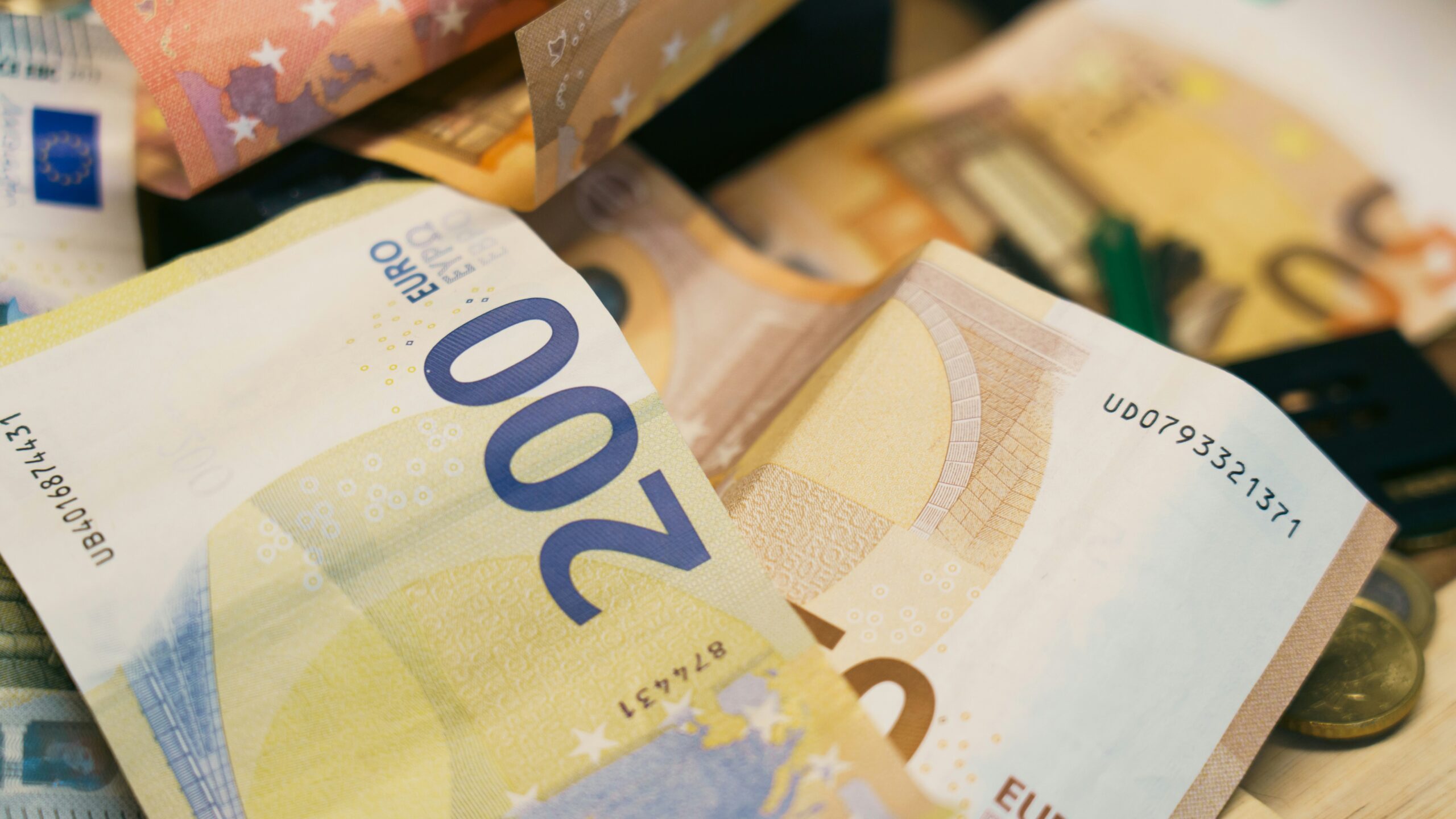
Is the Eurozone’s inflation rate easing or about to surge again? This article breaks down the complex trends and offers predictions on the Eurozone inflation puzzle, examining everything from current rates to the potential impact of increased defense spending. Discover the key factors shaping the future of the eurozone economy and what they mean for you.
Decoding the Eurozone’s Inflation Puzzle: Trends and Predictions
Table of Contents
The Eurozone’s economic landscape is constantly shifting, and understanding inflation is key to navigating these changes. Recent data from Eurostat reveals a complex picture, with inflation rates slowly declining but still presenting challenges. Let’s delve into the trends, potential pitfalls, and what the future might hold for the Eurozone’s economy.
The Current State of Play: A Slow Descent
The latest figures show a gradual easing of inflationary pressures. The Euro area’s annual inflation rate was 1.9% in May 2025, down from 2.2% in April.The European union also saw a decrease, with inflation at 2.2% in May, compared to 2.4% the previous month. this is a welcome sign, especially when contrasted with the double-digit inflation rates experienced a few years ago. Though, a closer look reveals that inflation remains relatively high compared to ancient averages.
Did you know? The Eurozone’s inflation rate was consistently lower in the first decade of the euro’s existence, from 2000 to 2009.
Understanding the types of Inflation
It’s crucial to distinguish between different types of inflation. The current situation differs significantly from the “demand-pull” inflation seen in the early 2000s, which was driven by robust economic activity.Today’s inflation is a lingering effect of monetary inflation, stemming from an excessive expansion of the money supply, especially to finance government debt.This type of inflation is more stubborn, as businesses and households have already factored higher inflation rates into their contracts and pricing strategies.
Pro Tip: Keep an eye on the European Central Bank‘s monetary policy decisions, as they directly impact inflation trends.
Diverging Inflation Rates Across the EU
One striking aspect of the current inflation landscape is the disparity among EU member states. While some countries,like France and Cyprus,are experiencing relatively low inflation,others,such as Romania,Estonia,and Hungary,are grappling with significantly higher rates.This divergence highlights the complex and uneven nature of the economic recovery across the Eurozone.
Case Study: In 2025, several EU members have consistently seen inflation rates above 4%, a stark contrast to the pre-2020 period.
Potential Risks on the Horizon: Defense Spending and Inflation
Looking ahead, there are potential risks that could reignite inflationary pressures.The push to increase European defense spending poses a significant challenge. Funding this expansion could be achieved through:
- Redistribution of current government spending: This could lead to social unrest if cuts to social benefits are required.
- Higher taxes: This could stifle economic growth.
- Deficit monetization: this is the most concerning option, as it could lead to another round of monetary inflation.
The Eurozone’s economic future hinges on several factors. policymakers must carefully manage defense spending to avoid triggering another inflationary spiral. The European Central Bank’s monetary policy decisions will continue to play a crucial role in controlling inflation. Moreover, the ability of member states to coordinate economic policies will be essential for a stable and prosperous future.
Reader Question: What measures do you think are most effective in combating inflation? Share your thoughts in the comments below!
Stay informed about the latest economic developments by subscribing to our newsletter. Get expert analysis and insights delivered straight to your inbox!
