
New ‘Lucifer’ Bee Species Discovered in Western Australia
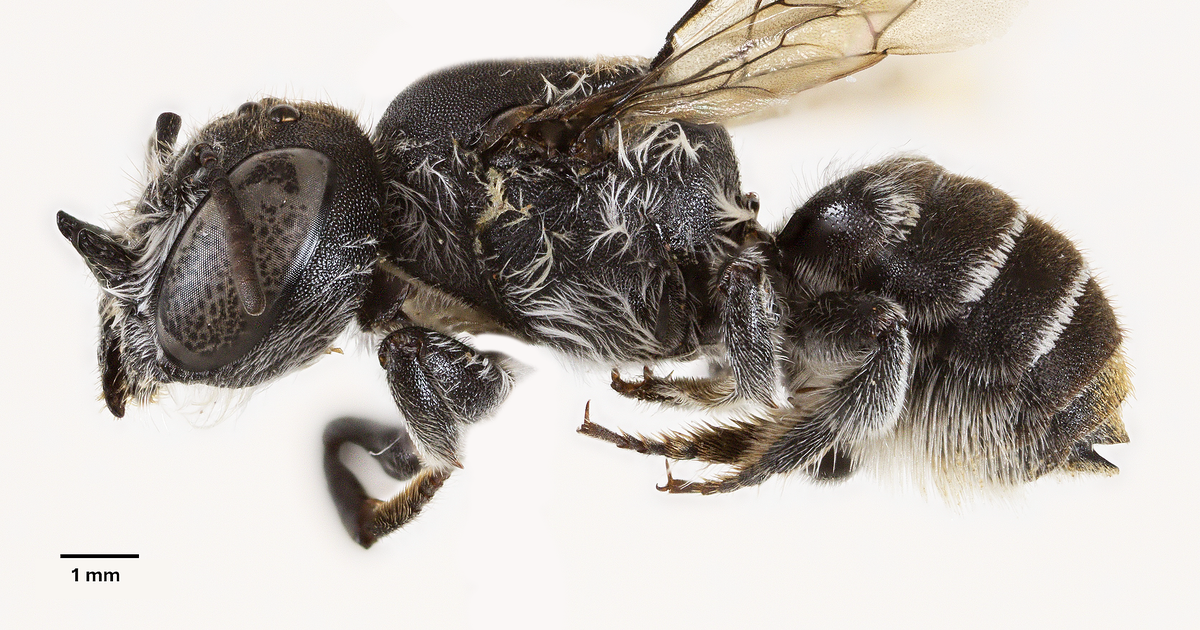
A previously unknown species of bee, dubbed Megachile (Hackeriapis) lucifer due to its devil-like horns, has been identified in Western Australia.
The discovery was made by Kit Prendergast of Curtin University’s School of Molecular and Life Sciences during a 2019 survey of a critically endangered wildflower. Prendergast immediately noticed the female bee’s unique facial features. “The female had these incredible little horns on her face,” she said. Inspired by the Netflix series “Lucifer,” she felt the name perfectly captured the insect’s appearance.
DNA analysis confirmed that the bee does not match any known species in existing databases or museum collections, marking the first new member of this bee group to be described in over two decades. This finding underscores the vast amount of undiscovered biodiversity still present on Earth, particularly as habitats face increasing threats. The decline of bee populations globally has significant implications for food security, as they are vital pollinators for many crops – learn more about the importance of pollination from the Food and Agriculture Organization of the United Nations.
Prendergast hopes the discovery will highlight the need for more comprehensive biodiversity surveys, especially in areas impacted by mining and climate change. “Many mining companies still don’t survey for native bees, so we may be missing undescribed species, including those that play crucial roles in supporting threatened plants and ecosystems,” she explained. Further research into the bee’s behavior and ecological role is planned, building on Curtin University’s work in environmental science.
Researchers published their findings today, November 11, 2025, in the Journal of Hymenoptera Research and are urging increased conservation efforts to protect potentially undiscovered species.
