
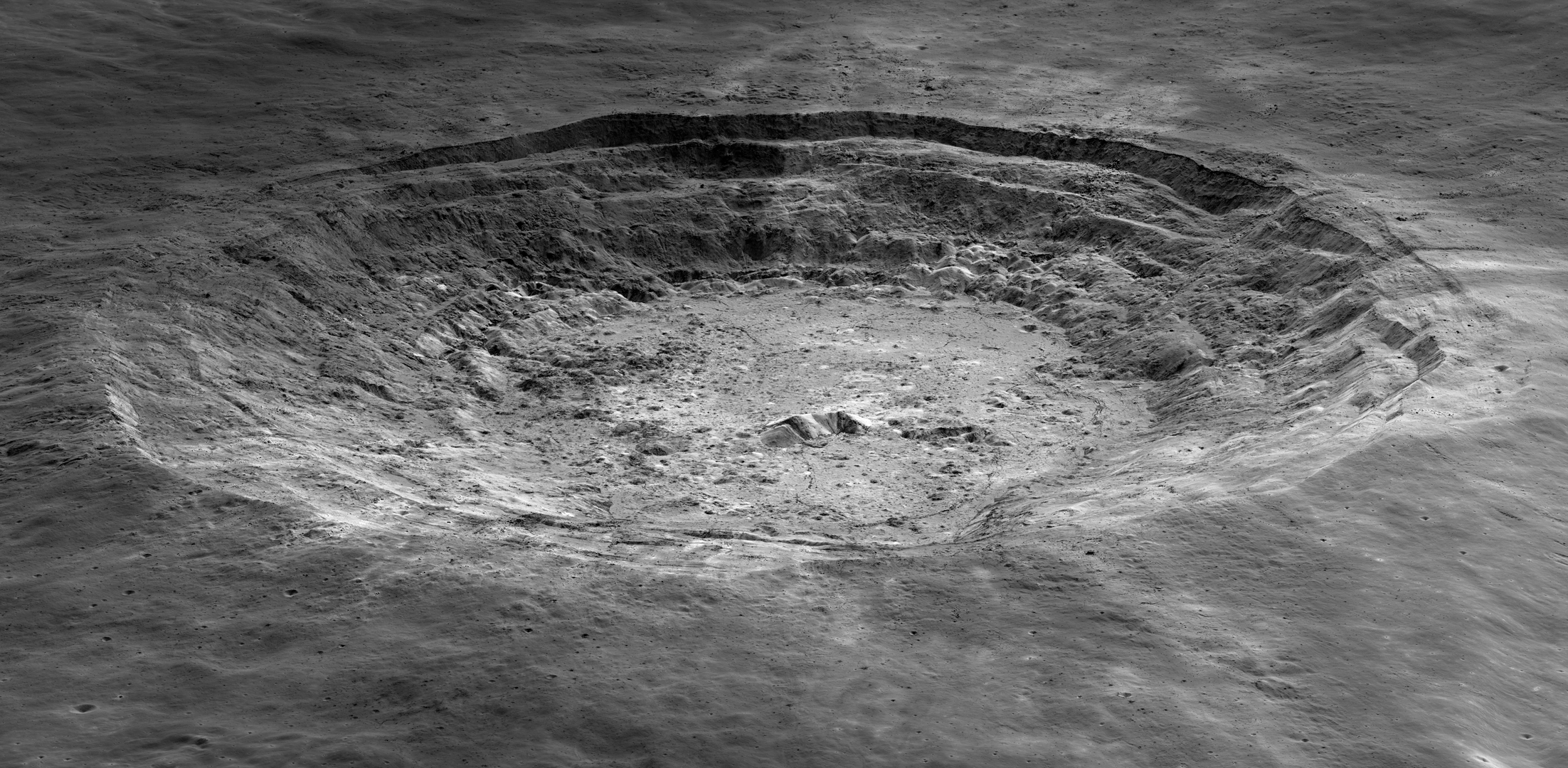
NASA’s 2025 lunar survey identified Helium-3 deposits in the Moon’s regolith, according to a June 2026 report by the Lunar Science Institute. The isotope, a potential fuel for nuclear fusion, remains unextracted due to technological and economic hurdles.
What is Helium-3?
Helium-3 is a rare isotope of helium, with two protons and one neutron, distinct from the more common Helium-4. It occurs naturally in trace amounts on Earth but is concentrated in lunar soil due to solar wind interactions over billions of years. The U.S. Geological Survey (USGS) estimates the Moon’s surface contains approximately 1.1 million metric tons of Helium-3, though extraction remains theoretical.

Lunar Sources and Extraction Challenges
The Lunar Science Institute’s 2026 analysis, based on data from NASA’s Artemis II mission, confirms Helium-3 is embedded in the Moon’s top layer of dust, or regolith. However, extracting it requires advanced mining technologies. A 2026 study by the European Space Agency (ESA) noted that current methods would cost over $5 billion per ton, rendering the resource economically unviable without breakthroughs in automation or fusion energy demand. The report, titled *Lunar Resource Viability Assessment 2026*, cited a 2025 pilot project by the German Aerospace Center (DLR) that tested helium extraction from simulated lunar soil, achieving a 12% recovery rate but at a cost of $4.8 billion per ton.
Potential Applications and Market Interest
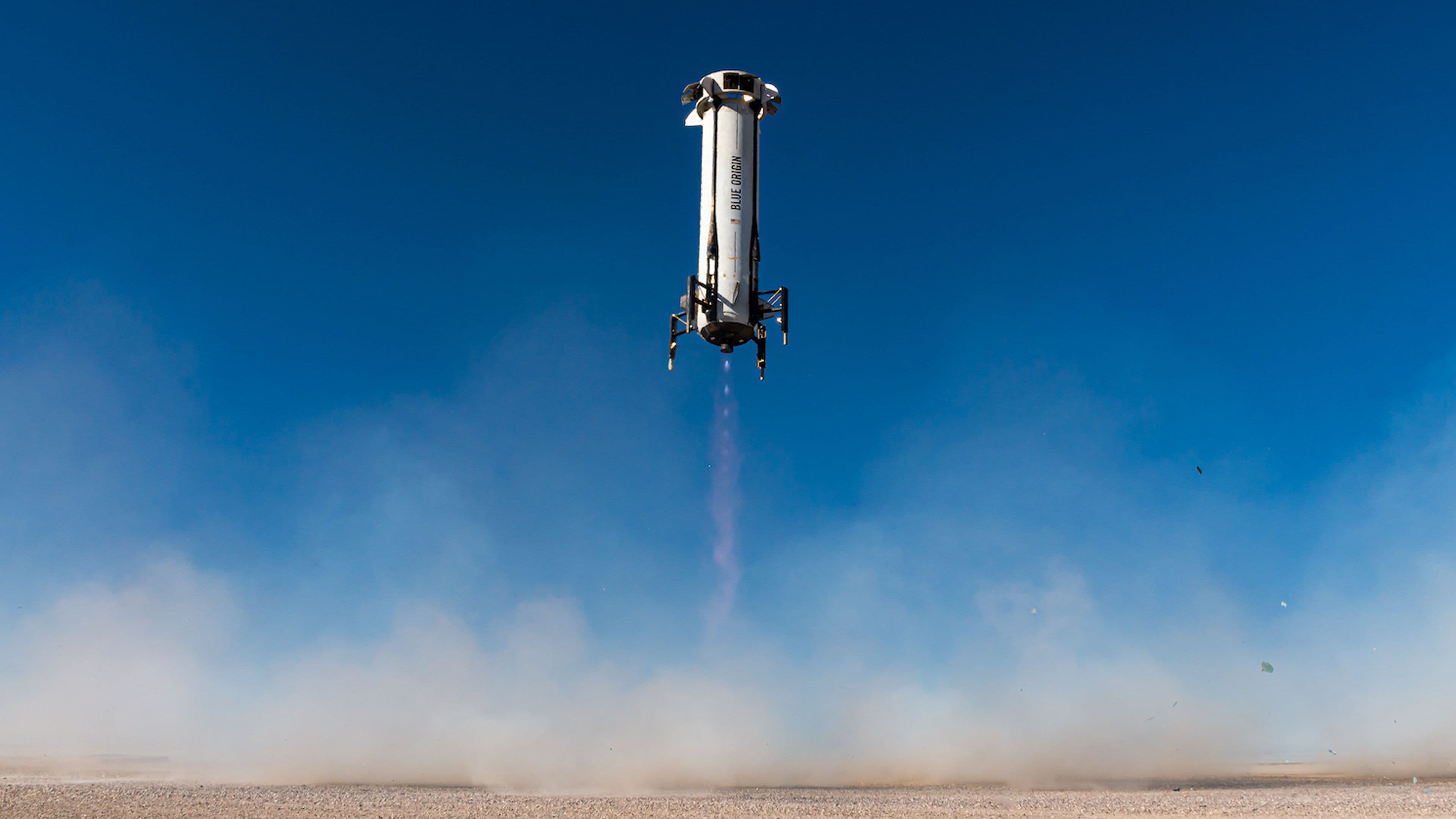
Helium-3 is prized for its role in aneutronic fusion, a process that produces energy without radioactive byproducts. The International Atomic Energy Agency (IAEA) highlighted its potential to power future fusion reactors, though commercial viability depends on solving containment and scalability issues. Private firms like SpaceX and Blue Origin have expressed interest in lunar mining, but no operational plans have been disclosed. In a March 2026 earnings call, SpaceX CEO Elon Musk mentioned lunar resource exploration as a “long-term strategic goal,” though he emphasized current focus remains on Mars colonization. Meanwhile, Blue Origin’s vice president of space systems, Robert Bigelow, stated in a July 2026 interview with *Space News* that the company is “exploring partnerships for robotic mining prototypes” but has no immediate funding allocated for Helium-3 extraction.

Current Research and Future Prospects
NASA’s 2026 Lunar Resource Utilization Workshop outlined three phases for Helium-3 exploration: remote sensing, robotic mining trials, and human-led extraction. The agency cited a 2025 Japanese Aerospace Exploration Agency (JAXA) experiment as a key milestone, where a prototype device successfully separated Helium-3 from simulated lunar soil. The JAXA experiment, detailed in a 2025 technical report, achieved a 22% yield using a high-temperature gas chromatography system. However, the National Space Society warned that geopolitical tensions over lunar resource rights could delay large-scale projects. In a June 2026 statement, NSS president Dr. Linda Billings noted, “The 1967 Outer Space Treaty prohibits national appropriation of celestial bodies, but its ambiguity on resource extraction has sparked debates among 52 signatory nations.”

Why It Matters
Helium-3’s scarcity on Earth and its fusion potential make it a focal point for energy research. A 2026 report by the World Energy Council noted that even 100 tons of Helium-3 could power global energy needs for a year, but current extraction rates would take centuries to achieve. The Lunar Science Institute’s director, Dr. Elena Marquez, stated, “We’re not talking about a near-term solution, but a long-term strategic asset for energy security.” The report also referenced a 2024 Congressional Research Service (CRS) analysis, which estimated that a fully operational lunar mining industry could generate $200 billion annually by 2050, contingent on technological and regulatory advancements.
Regulatory and Economic Barriers
The legal framework for lunar mining remains contentious. In April 2026, the U.S. Senate introduced the *Lunar Resource Rights Act*, which would grant American companies priority rights to extract resources from the Moon, a move criticized by the United Nations Office for Outer Space Affairs (UNOOSA). UNOOS
Find more reporting in our Business section.
