
“Namibia launched its AIDA-AfCFTA country assessment report on 15 June 2026, becoming the first of five pilot nations to do so, according to the Namibia Economist. The report, led by the African Union Development Agency, identifies opportunities for industrial growth and trade expansion. Nigeria recorded a 340.88% surge in its Q1 2026 merchandise trade balance, reaching N7.55tn, as reported by the National Bureau of Statistics.”
Namibia’s AIDA-AfCFTA Launch: A Blueprint for Regional Integration
Namibia’s launch of the AIDA-AfCFTA country assessment report on 15 June 2026 marks a pivotal step in Africa’s industrialization agenda. The document, developed by the African Union Development Agency in collaboration with the AfCFTA Secretariat, outlines pathways for Namibia to leverage its strengths in mining, fisheries, and agro-processing. Dr Kaire Mbuende, Director-General of the National Planning Commission (NPC), emphasized the report’s role in translating findings into actionable policies. “Our priority now is to translate these findings into practical actions that strengthen value addition, improve competitiveness, and expand Namibia’s participation in regional value chains,” he stated.
The report highlights Namibia’s potential to deepen regional trade through integrated corridors and industrial development. It also identifies gaps in policy implementation, urging stronger coordination across institutions. “It examines trade potential, industrial capabilities, and the policy and institutional environment required to support implementation,” Mbuende added. The NPC plans to integrate AfCFTA and AIDA objectives into national development planning, a move praised by regional stakeholders.
Nigeria’s Trade Surge: A 340.88% Jump in Q1 2026

Nigeria’s Q1 2026 merchandise trade balance surged to N7.55tn, a 340.88% increase from the previous quarter, according to the National Bureau of Statistics (NBS). This growth was driven by higher crude oil exports and reduced petroleum product imports. The NBS reported total trade of N34.79tn, with exports reaching N21.17tn and imports at N13.62tn. “The merchandise trade balance for Q1 2026 remained positive at N7.55tn, indicating an increase of 340.88 per cent compared to the value recorded in the preceding quarter,” the NBS said.
This achievement underscores Nigeria’s progress in balancing trade, though challenges remain. The NBS noted that while exports rose, imports still accounted for nearly 40% of total trade, highlighting the need for diversification. The data aligns with broader AfCFTA goals, as regional trade barriers decrease, offering opportunities for African nations to boost intra-continental commerce.
Pasta as an Export Opportunity: US$27 Million in Untapped Potential
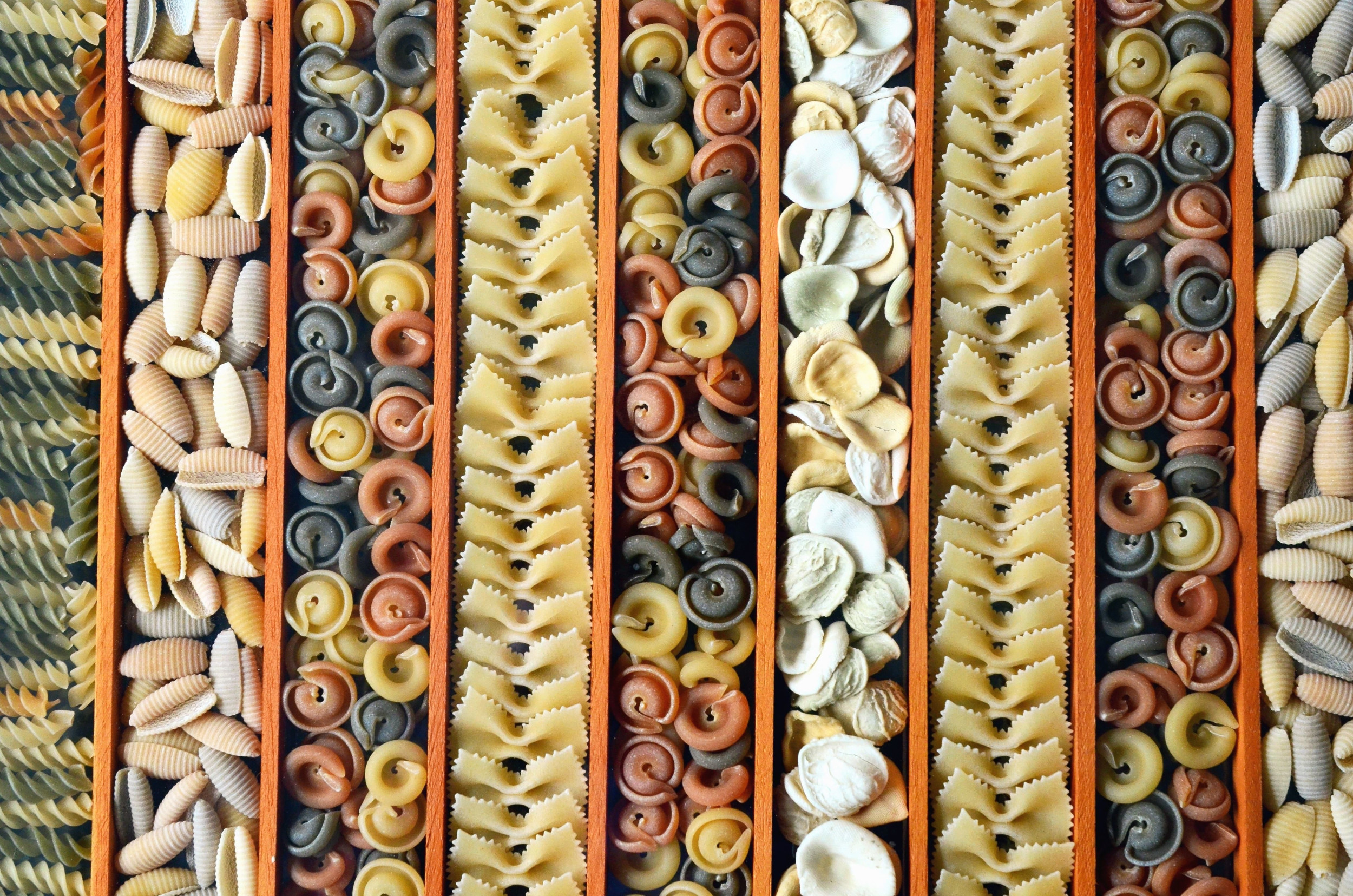
Namibia’s uncooked pasta industry could unlock US$27 million in intra-African export potential by 2030, according to the AIDA-AfCFTA policy brief. In 2024, Namibia exported approximately US$7 million in uncooked pasta, mostly to SADC markets, with South Africa absorbing 85% of exports. However, the sector faces hurdles. “As a result, production costs remain closely linked to imported wheat prices and regional logistics conditions,” the brief noted.
Despite these challenges, the report identifies scalability opportunities. Namib Mills, the country’s primary pasta producer, supplies 65,000 tonnes annually, but reliance on imported cereals—accounting for two-thirds of domestic consumption—limits competitiveness. The AIDA-AfCFTA framework aims to address such bottlenecks by improving trade systems and financial ecosystems. “An effective enabling environment is critical for Namibia to translate AfCFTA market opportunities into real export growth,” the brief concluded.
China’s Role in African Trade: Tariff-Free Access and Strategic Partnerships
Namibia’s economic trajectory is increasingly tied to its partnership with China, which has extended tariff-free access to African exports. This aligns with the China-Africa Economic Partnership for Shared Development Agreement (CADEPA), offering Namibia expanded markets for agricultural and industrial products. The policy brief highlighted that tariff-free access could boost sectors like agriculture, where Namibia’s beef, mutton, and grapes could gain traction.
“China’s tariff-free policy represents a major breakthrough in Africa-China economic relations,” the Namibia Economist noted. This shift complements AfCFTA objectives, as African nations seek to diversify trade partnerships. However, the report warns that success hinges on domestic reforms, including improving logistics and trade finance. “Efficient customs processes and well-developed road and rail corridors support regional trade, but incomplete digital integration at borders remains a challenge,” it added.
What’s Next for AfCFTA and Regional Integration?
The AIDA-AfCFTA initiatives in Namibia and other pilot countries signal a broader push for industrialization across Africa. However, challenges like trade facilitation, MSME financing, and policy alignment persist. The next 30 days will likely see increased focus on implementing the report’s recommendations, with stakeholders monitoring progress on trade corridors and industrial capacity.
For Nigeria, sustaining its trade surplus will require addressing import dependencies. Meanwhile, Namibia’s pasta sector must overcome supply chain constraints to capitalize on AfCFTA opportunities. As China’s role in African trade grows, the interplay between regional and global partnerships will shape the continent’s economic future.
“According to the Namibia Economist, the AIDA-AfCFTA report highlights Namibia’s potential to expand value addition and regional trade.”
“Reuters reports Nigeria’s trade surplus surged 340.88% in Q1 2026, driven by higher crude oil exports.
Find more reporting in our World section.
