
Epstein-Barr Virus Linked to Autoimmune Disease Lupus, New Study Finds
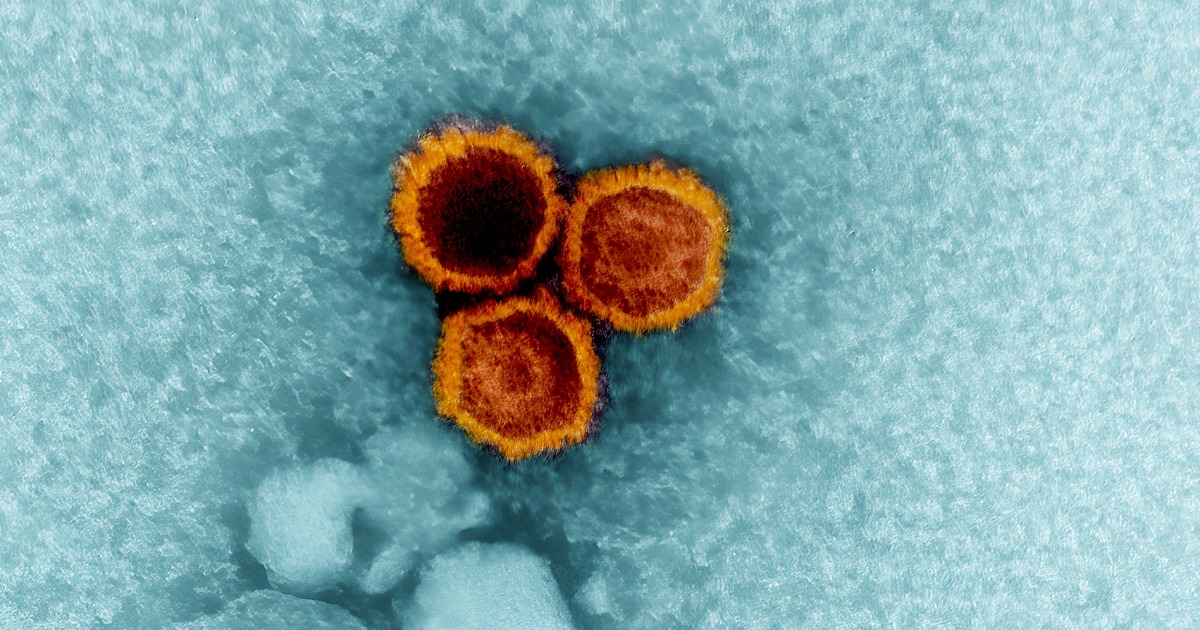
A common virus, Epstein-Barr, may be a key driver in the development of lupus, an autoimmune disease affecting hundreds of thousands in the United States, according to research published today.
The study, appearing in Science Translational Medicine, suggests the virus – which infects approximately 95% of the population – can trigger the body’s immune system to attack healthy cells, leading to the characteristic symptoms of lupus like fatigue, joint pain, and skin rashes. This discovery offers a potential pathway toward targeted treatments and preventative measures for a disease that currently has no cure. Scientists have long suspected a connection, but Dr. William Robinson, a co-author of the study and chief of the division of immunology and rheumatology at Stanford University, stated, “From our perspective, it’s the key, missing mechanistic link.”
Researchers found that Epstein-Barr virus resides in B cells – immune cells that fight infection – at a significantly higher rate in lupus patients (25 times higher, according to the study). The virus reprograms these B cells to produce antinuclear antibodies, which mistakenly attack the body’s own tissues. This finding builds on previous research linking Epstein-Barr to other autoimmune conditions, such as multiple sclerosis, and fuels calls for a vaccine to prevent initial infection. Dr. Anca Askanase, clinical director of the Lupus Center at Columbia University, who was not involved in the research, emphasized the importance of prevention, saying, “If we now better understand how this fastidious virus is responsible for autoimmune diseases, I think it’s time to figure out how to prevent it.”
While the research is promising, experts caution that Epstein-Barr infection doesn’t automatically lead to lupus. Hoang Nguyen, assistant vice president of research at the Lupus Research Alliance, noted, “Although the evidence is intriguing and promising, more evidence is needed to demonstrate that the link to EBV applies to all lupus.” Researchers are now exploring whether specific strains of the virus are more likely to trigger autoimmune responses and investigating potential therapies targeting Epstein-Barr-infected B cells.
Scientists are continuing to investigate the complex interplay between the virus, genetics, and other factors in lupus development, with the hope of developing more effective treatments and, ultimately, a preventative vaccine.
