
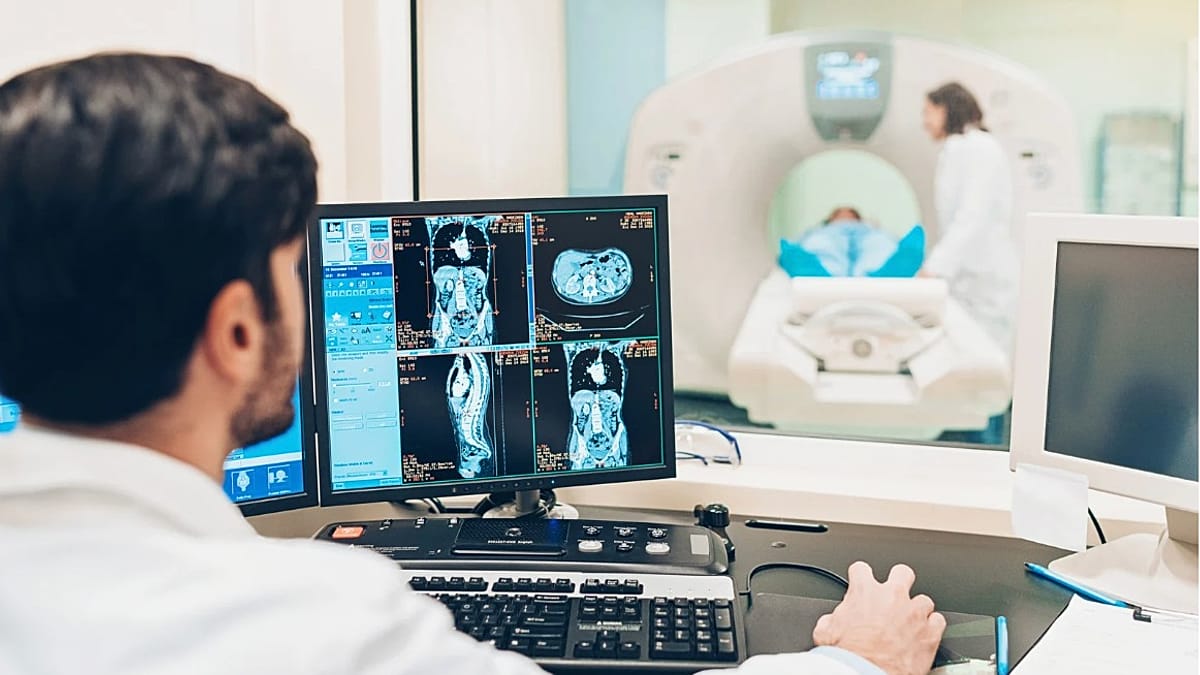
A new study suggests artificial intelligence may soon offer an objective way to measure chronic stress, a key factor in numerous health conditions. Researchers are preparing to present findings next week at the Radiological Society of North America (RSNA) annual meeting detailing how a deep learning AI model identified a biomarker for chronic stress using standard chest CT scans[[1]]. This advancement could pave the way for earlier diagnosis and intervention for stress-related illnesses, possibly impacting millions given the widespread prevalence of chronic stress.
Published November 25, 2025 – 2:32 PM EST
Artificial intelligence (AI) may be able to detect chronic stress in individuals through routine medical imaging, according to a new study. The ability to objectively measure stress levels could have significant implications for early intervention and preventative care for a range of health conditions.
Researchers utilized a deep learning AI model to analyze common chest CT scans, identifying a novel biological marker associated with chronic stress.
Chronic stress is a known contributor to serious illnesses, including heart disease, depression, and obesity. However, medicine has historically lacked an objective and scalable way to measure its impact on the body.
The findings are scheduled to be presented next week at the Radiological Society of North America (RSNA) annual meeting. The research team collected data from nearly 3,000 patients, including CT scans of the adrenal glands, stress questionnaires, cortisol levels, and other health data indicative of long-term stress.
The team then employed their AI model to measure the size of the adrenal glands directly from the scans. These measurements were compared with other stress indicators reported by the participants, such as body mass index (BMI), blood pressure, and heart rate.
The adrenal glands produce and regulate hormones that influence metabolism, the immune system, blood pressure, and the body’s stress response. Researchers describe them as a “biological barometer” for stress within the body.
Participants who reported experiencing stress prior to the study exhibited larger adrenal gland volumes, along with elevated cortisol levels and an increased risk of heart failure.
“For the first time, we can ‘see’ the long-term effects of stress on the body using a scan that patients are already receiving routinely in hospitals across the country,” said Shadpour Demehri, Professor of Radiology and a co-author of the report.
Demehri added that there has previously been no reliable method to measure and quantify the cumulative effects of chronic stress, beyond subjective questionnaires or markers like chronic inflammation or cortisol spikes, which can be difficult to obtain.
Researchers explained that their AI model has the potential to identify “a multitude of diseases” linked to stress in older adults.
The study has not yet been published in a peer-reviewed journal.
