
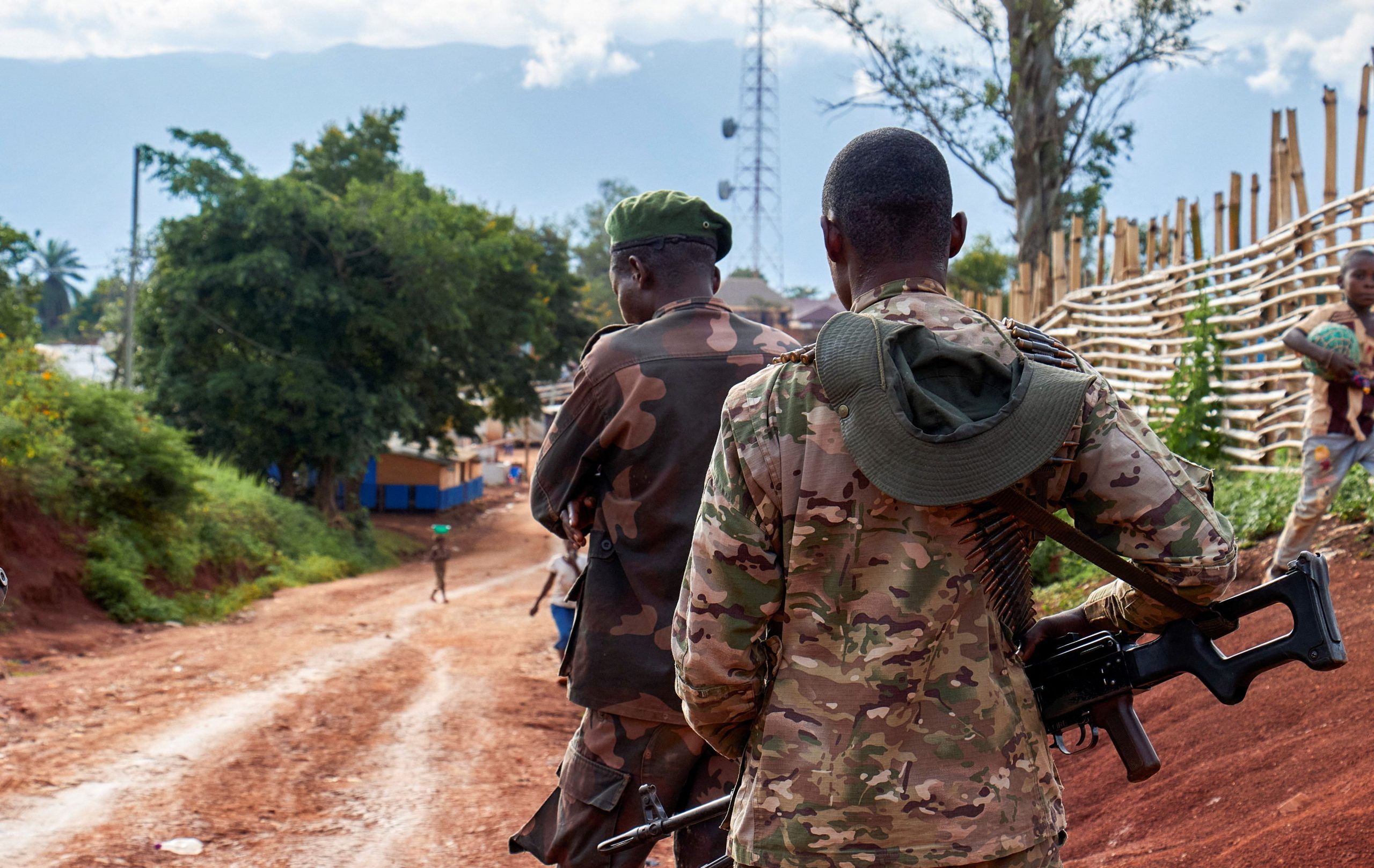
Drone strikes and rising violence in eastern Democratic Republic of the Congo have escalated tensions as both government and rebel forces accuse each other of targeting civilians, with journalists and infrastructure bearing the brunt of the conflict. On May 25, 2026, a wave of attacks hit Kisangani Airport, while Radio Tuungane in South Kivu faced repeated drone assaults, according to reports from multiple outlets. The United Nations and international observers have condemned the use of drones in the region, which has seen over 60 journalist deaths since 2023.
Drone Strikes Target Journalists and Infrastructure
The Committee to Protect Journalists (CPJ) reported that Radio Tuungane, a community station in South Kivu’s Minembwe commune, was struck twice in May by military drones, damaging solar panels and equipment. Journalists at the station said government-allied Wazalendo militia and soldiers had threatened them months earlier, with one source describing messages claiming, “The authors of these [text] messages and phone calls say they will kill me, including through drone attacks, as has already happened twice against our radio station in the space of a month.” The attacks occurred amid a broader pattern of drone warfare in the region, with the UN warning in March that civilians face “additional risks.”
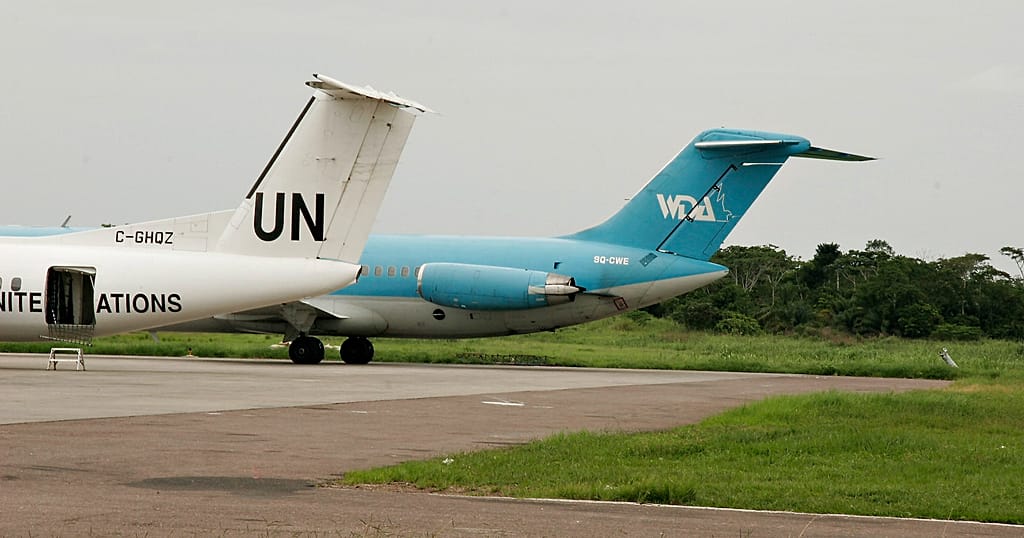

Meanwhile, SOS Médias Burundi documented a surge in drone strikes across eastern DRC, including an attack on Kisangani Airport in Tshopo province. The airport, targeted for the fourth time this year, experienced nine blasts between May 24 and 25, though no casualties were reported. The Congolese government suspended flights while assessing damage, but the attacks underscore a deepening cycle of violence. The AFC/M23 rebel group accused government forces of conducting “war crimes” by targeting inhabited areas, including the Virunga National Park and mining towns like Rubaya.
CPJ and SOS Médias Burundi both highlight the collapse of the April 2026 ceasefire, with both sides trading accusations of drone warfare. The M23, which controls parts of North Kivu, has also claimed responsibility for strikes on government facilities, including the airport in Kisangani, where Congolese forces operate.
M23 Accusations and Civilian Casualties
The M23 rebel group, aligned with the AFC and other factions, has repeatedly alleged that Congolese forces are using drones to target its positions. In a May 24 statement, the group accused the DRC Army of striking Rumangabo, a town near Virunga National Park, and other areas, causing civilian deaths and destruction. “These operations are war crimes,” the M23 claimed, citing bombings in Minembwe and Kalehe. However, the Congolese government has not publicly addressed these allegations, and no side has formally claimed responsibility for the latest attacks.
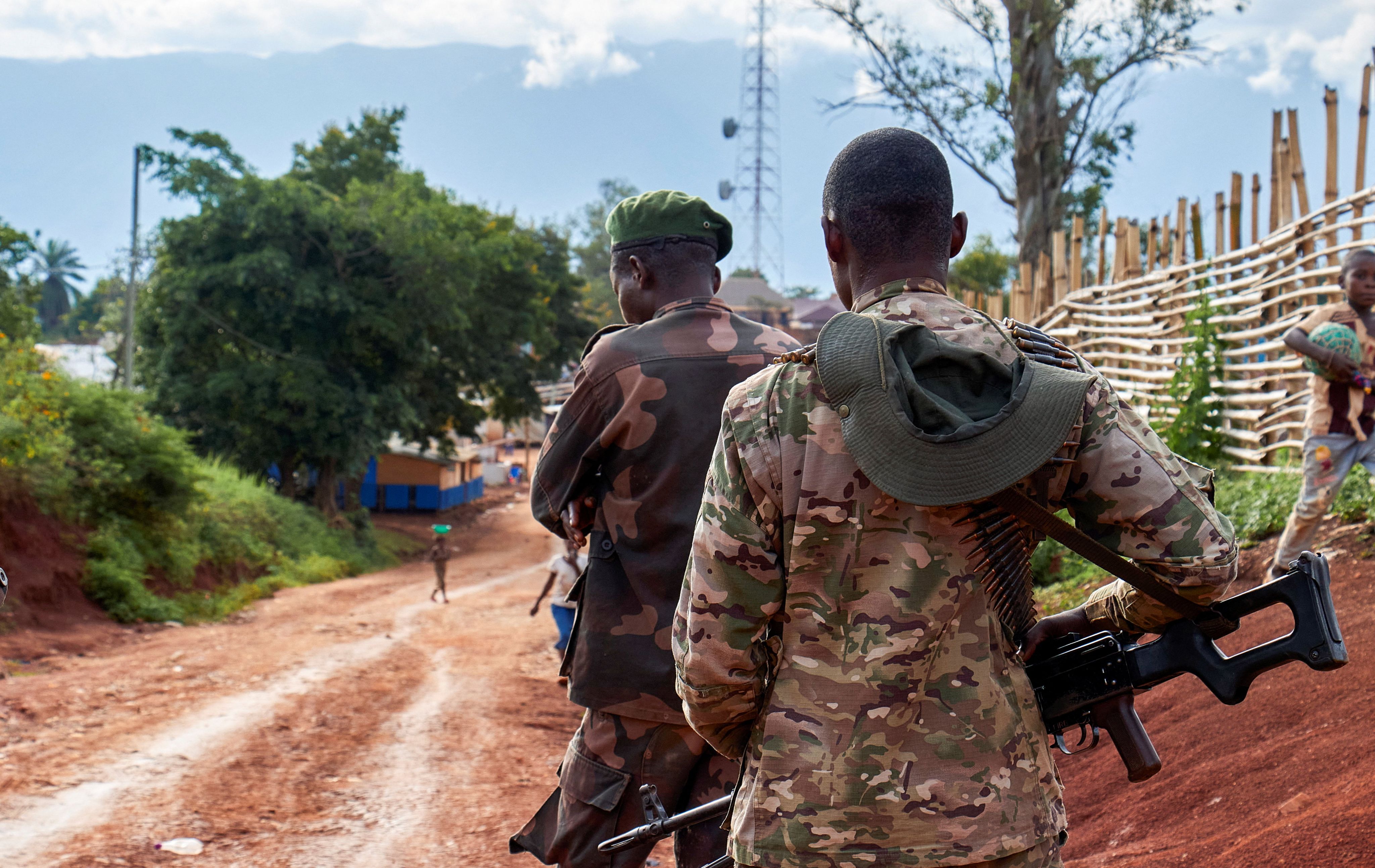
Civilian casualties have surged as a result. In Rubaya, a mining town in Masisi territory, a drone strike hit a guest house, killing civilians and injuring others. Residents initially believed the target was a rebel official, but it became clear the attack had killed ordinary people. “The explosion was very powerful,” one local said. “People initially believed they had targeted a senior rebel official, but later it became clear that ordinary civilians had died.” The M23 also accused the army of strikes in North Kivu, though the group’s own use of drones has been documented in previous attacks.
ChimpReports detailed a failed attempt by Congolese forces to assassinate M23 leaders General Sultani Makenga and Governor Bahati Musanga Erasto. The strikes, which missed their targets, instead killed civilians and damaged property. Rebel sources said intelligence errors led to the misfires, but the incident highlights the escalating risks for both sides. The M23 has also accused the DRC of killing its spokesperson, Willy Ngoma, in a drone strike in March, a claim the army has not denied.
International Response and Escalating Conflict
The United Nations and the U.S. have condemned the use of drones in the DRC, with MONUSCO describing a “wave of deadly attacks targeting civilians” in the east. In March, the UN identified the M23 as a leading perpetrator of rights abuses, including the suppression of dissent in areas it controls. The U.S. also denounced the attacks without naming perpetrators, while the international contact group for the Great Lakes region criticized the rising civilian toll.
Regional tensions have deepened as the conflict stretches into its third decade. The M23’s 2025 takeover of Goma and Bukavu overwhelmed Congolese forces, prompting the use of Turkish and Chinese attack drones by the DRC Army. However, the M23 and its allies have also adopted drone technology, creating a cycle of retaliation. The AFC/M23 claims its fighters have targeted government aircraft in Kisangani, while the DRC accuses rebels of attacks on its drone command centers.
The situation remains volatile, with both sides violating the April ceasefire. The Congolese government has not commented on recent strikes, and the M23 continues to deny targeting civilians.
