
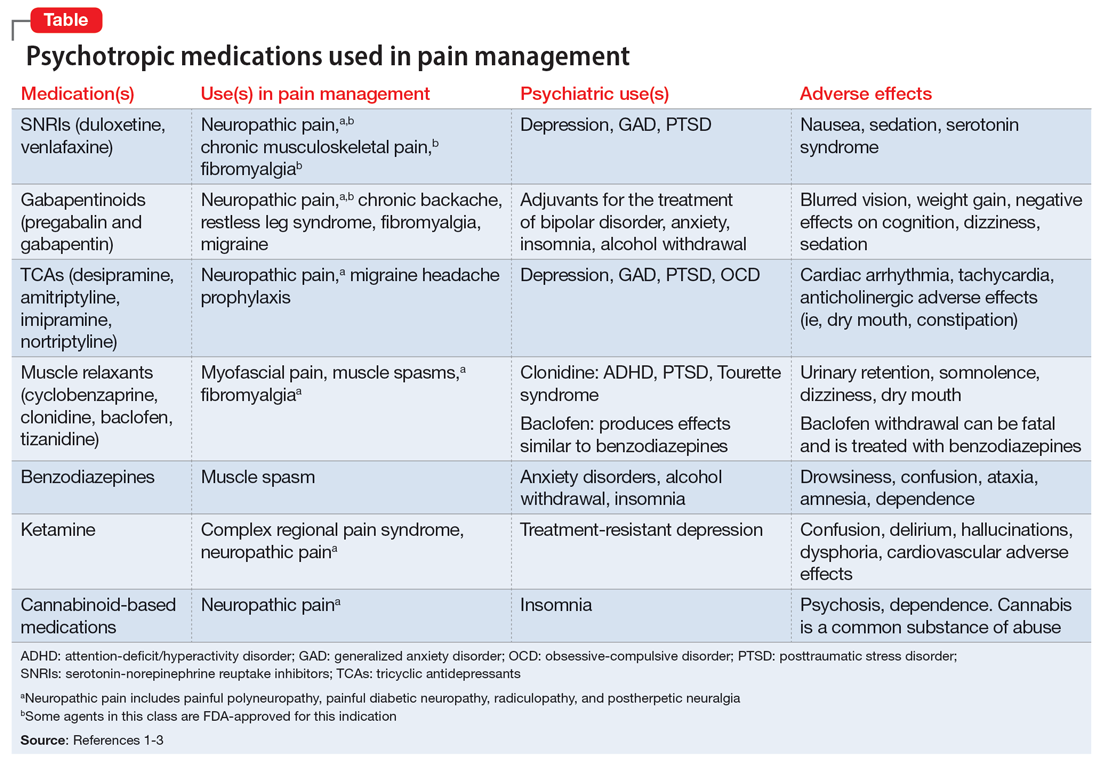
A study published in the Journal of the American Medical Association on June 12, 2026, found that certain antidepressants and antipsychotics showed comparable efficacy to opioids in managing chronic pain, according to the research team led by Dr. Michael Torres.
Study Highlights Potential Alternatives
The randomized controlled trial, involving 2,300 participants with chronic musculoskeletal pain, compared the effectiveness of duloxetine (an antidepressant) and olanzapine (an antipsychotic) against opioids. Results indicated a 34% reduction in opioid use among participants assigned to the non-opioid group, with pain scores remaining stable. The study’s lead author, Dr. Michael Torres, stated, “These findings suggest that certain psychiatric medications could play a role in reducing opioid dependence without compromising pain control.” The research was funded by the National Institutes of Health and registered with the ClinicalTrials.gov database.

Clinical Implications and Expert Reactions
The American Pain Society released a statement on June 13, 2026, noting the study’s “promising implications” but cautioning against immediate clinical adoption. “While the data are compelling, more research is needed to confirm long-term safety and efficacy,” said Dr. Lisa Nguyen, a spokesperson for the society. The study also observed a 22% higher incidence of side effects, such as drowsiness and weight gain, in the non-opioid group.
Regulatory and Policy Considerations
The U.S. Food and Drug Administration (FDA) has not yet updated its guidelines on opioid alternatives, but the study has prompted discussions among policymakers. Senator Maria Gonzalez (D-Calif.) tweeted on June 14, “This research underscores the need to expand access to non-addictive pain treatments.” Meanwhile, the Centers for Disease Control and Prevention (CDC) reiterated its 2023 recommendation to prioritize non-pharmacological therapies for chronic pain.
What Comes Next?
The study’s authors plan to conduct a follow-up trial spanning 18 months to assess long-term outcomes. Health systems in Pennsylvania and Oregon have announced pilot programs to integrate the findings into care protocols, pending further review. Clinicians remain divided, with some advocating for broader trials and others emphasizing the risks of repurposing psychiatric medications for pain.
The research adds to a growing body of evidence exploring alternatives to opioids, as the U.S. continues to grapple with the ongoing public health crisis.
Find more reporting in our Health section.
