

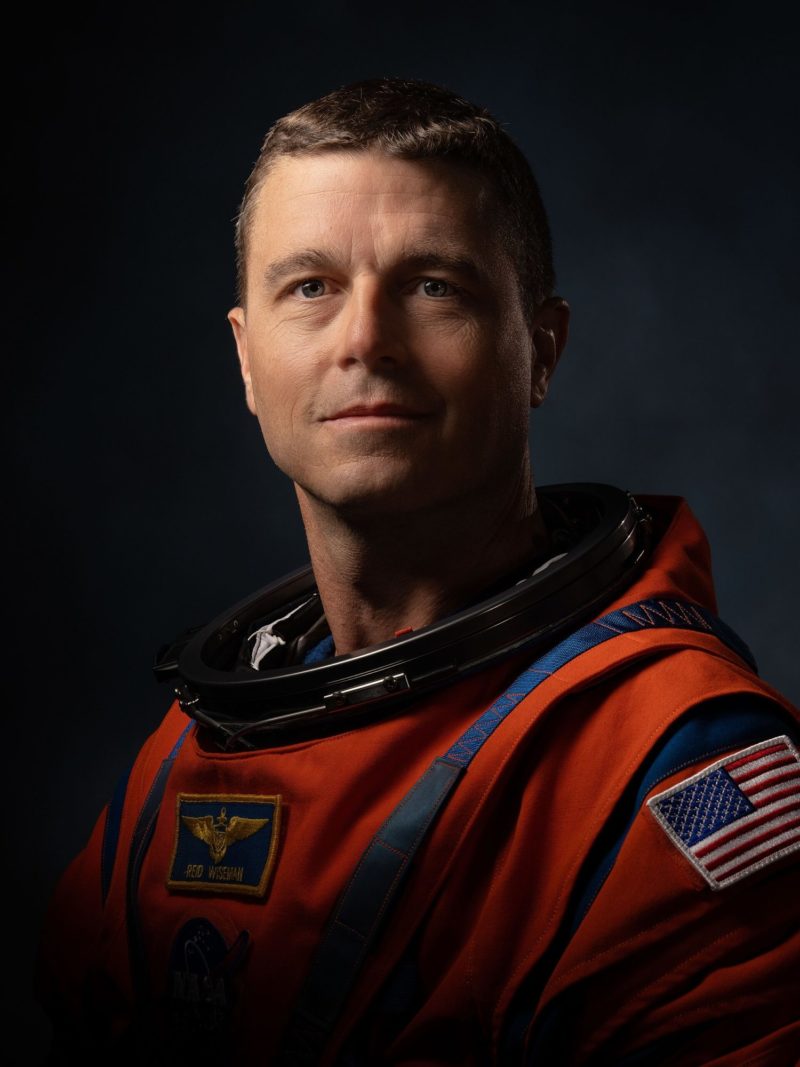
NASA astronaut Reid Wiseman, commander of the Artemis II mission, returned to Earth on April 12, 2026, after a historic lunar flyby, later reflecting that the human mind may not yet be evolved enough to fully grasp
the experience of deep space exploration.
The Psychological Weight of Deep Space
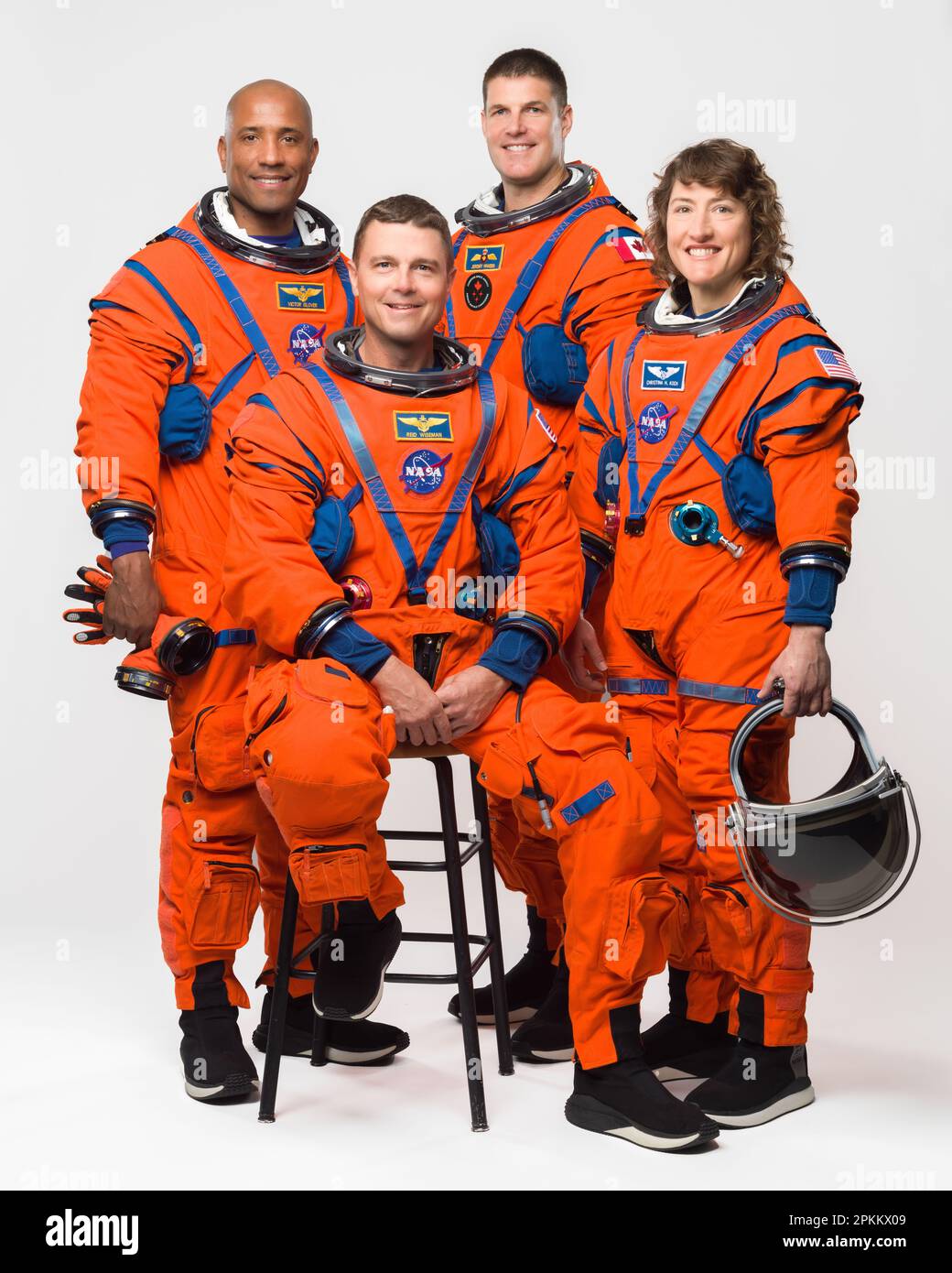
Reid Wiseman’s remarks, captured in a NASA-sponsored Instagram reel, underscore a growing recognition among astronauts and space psychologists: the cognitive and emotional demands of missions beyond low Earth orbit are profound. As Artemis II—NASA’s first crewed lunar mission in over half a century—concluded its 10-day voyage around the Moon, Wiseman’s observation hinted at the existential scale of human spaceflight. The mission, launched on November 16, 2025, carried four astronauts (Wiseman, Victor Glover, Christina Koch, and Jeremy Hansen) aboard the Orion spacecraft, testing systems critical for future lunar landings and Mars-bound expeditions.
Wiseman’s comment, though not part of an official NASA statement, aligns with emerging research on the psychological toll of deep-space missions. Studies from the European Space Agency (ESA) and NASA’s Human Research Program have long warned of cognitive overload
in isolated, high-stakes environments. The Artemis II crew spent weeks in microgravity, subjected to radiation levels far exceeding those in the International Space Station (ISS), and faced the psychological strain of knowing their lives depended on untested systems during critical phases like trans-lunar injection and re-entry.
Yet Wiseman’s phrasing—No creo que la mente humana haya evolucionado lo suficiente como para entender esto
—translates to The human mind may not yet be evolved enough to fully grasp this
—suggests a deeper challenge: the gap between human perception and the scale of what modern engineering and ambition have achieved. This mirrors discussions among philosophers and neuroscientists about whether the human brain, evolved for terrestrial survival, can truly comprehend the abstract and existential implications of interplanetary travel.
Artemis II: A Mission Beyond Engineering
Artemis II was never just about reaching the Moon. It was a stress test for the systems that will one day carry humans to Mars—a journey that, at its closest, would take 180 days one-way. The mission’s success hinged on Orion’s heat shield, life-support systems, and the crew’s ability to operate in a spacecraft designed for deep-space autonomy. Unlike Apollo-era missions, Artemis II relied on real-time communication delays (up to 2.5 seconds for signals to reach Earth) and autonomous navigation, forcing the crew to adapt to a level of independence never before required in human spaceflight.
For more on this story, see Glover’s Artemis II splashdown: ‘We’re all Homo sapiens-unity beyond the Moon.
Wiseman, a former ISS commander with over 176 days in space, has previously spoken about the mental fatigue
of long-duration missions. In a 2024 interview with *The Verge*, he described how the psychological burden of isolation and high responsibility accumulates like technical debt
. Artemis II amplified this effect. The crew’s post-mission debriefings, while not yet publicly detailed, are expected to focus on crew dynamics, decision-making under stress, and the long-term effects of deep-space radiation—a variable absent in low-Earth orbit.
NASA’s Human Research Program has identified behavioral health and performance
as a top priority for Artemis III and beyond. Preliminary data from Artemis II will inform protocols for lunar surface operations, where astronauts will face additional stressors: dust contamination, limited communication windows, and the psychological weight of being the first humans on the Moon since 1972.
The Evolution of Space Psychology
Wiseman’s observation reflects a shift in how space agencies view human spaceflight. No longer is the focus solely on physical survival; the mental and emotional resilience of astronauts is now a critical variable. The ESA’s Space Medicine Team
has begun incorporating cognitive load monitoring
into astronaut training, using AI-driven analytics to track stress biomarkers in real time. Meanwhile, NASA’s *Behavioral Health and Performance Laboratory* at Johnson Space Center is testing virtual reality simulations to prepare crews for the psychological challenges of Mars missions.
This follows our earlier report, Artemis II Mission Captures Historic Earthset on iPhone.
Yet even with these advancements, questions remain. Can the human mind truly adapt to the vastness of space, where Earth is no longer an immediate point of reference? Or will the cognitive dissonance between our evolved perception of scale and the realities of interplanetary travel create an unbridgeable gap? Wiseman’s comment suggests that the answer may lie not just in technology, but in how deeply we can redefine what it means to be human in the cosmos.
For now, the focus remains on Artemis III, slated for 2027, which will land astronauts near the lunar south pole. The lessons from Artemis II—both technical and psychological—will determine whether humanity’s next giant leap is sustainable, or if the mind’s limits will prove the ultimate frontier.
What Comes Next
The Artemis program is more than a series of missions; it is a test of whether humanity can transcend its terrestrial origins. Wiseman’s reflection, while not a formal statement, serves as a reminder that the challenges of deep space are not just engineering problems—they are existential ones. As NASA prepares for crewed Mars missions in the 2030s, the agency will need to address not only the physical demands of interplanetary travel but also the profound psychological shifts required to operate in a universe where Earth is no longer the center of gravity.
For now, the data from Artemis II is being analyzed in silence. But one thing is clear: the next generation of astronauts will need more than technical skill. They will need minds capable of grasping the ungraspable—and that may be the hardest challenge of all.
