
NASA has adjusted the schedule for the critical Artemis II wet dress rehearsal due to unusually cold weather conditions at Kennedy Space Center in Florida. The test, a vital precursor to the first crewed mission to lunar orbit in over 50 years, is now targeting february 2nd, with February 8th as the earliest potential launch date. Engineers are carefully monitoring temperatures and wind speeds to ensure hardware readiness for the complex test, which will simulate a full launch countdown.
NASA has adjusted the schedule for the Artemis II wet dress rehearsal and launch test due to current weather conditions, now targeting February 2nd at Kennedy Space Center in Florida. This shift makes Sunday, February 8th, the earliest potential launch date.
Source: NASA / Rachel H. Kraft, January 30, 2026
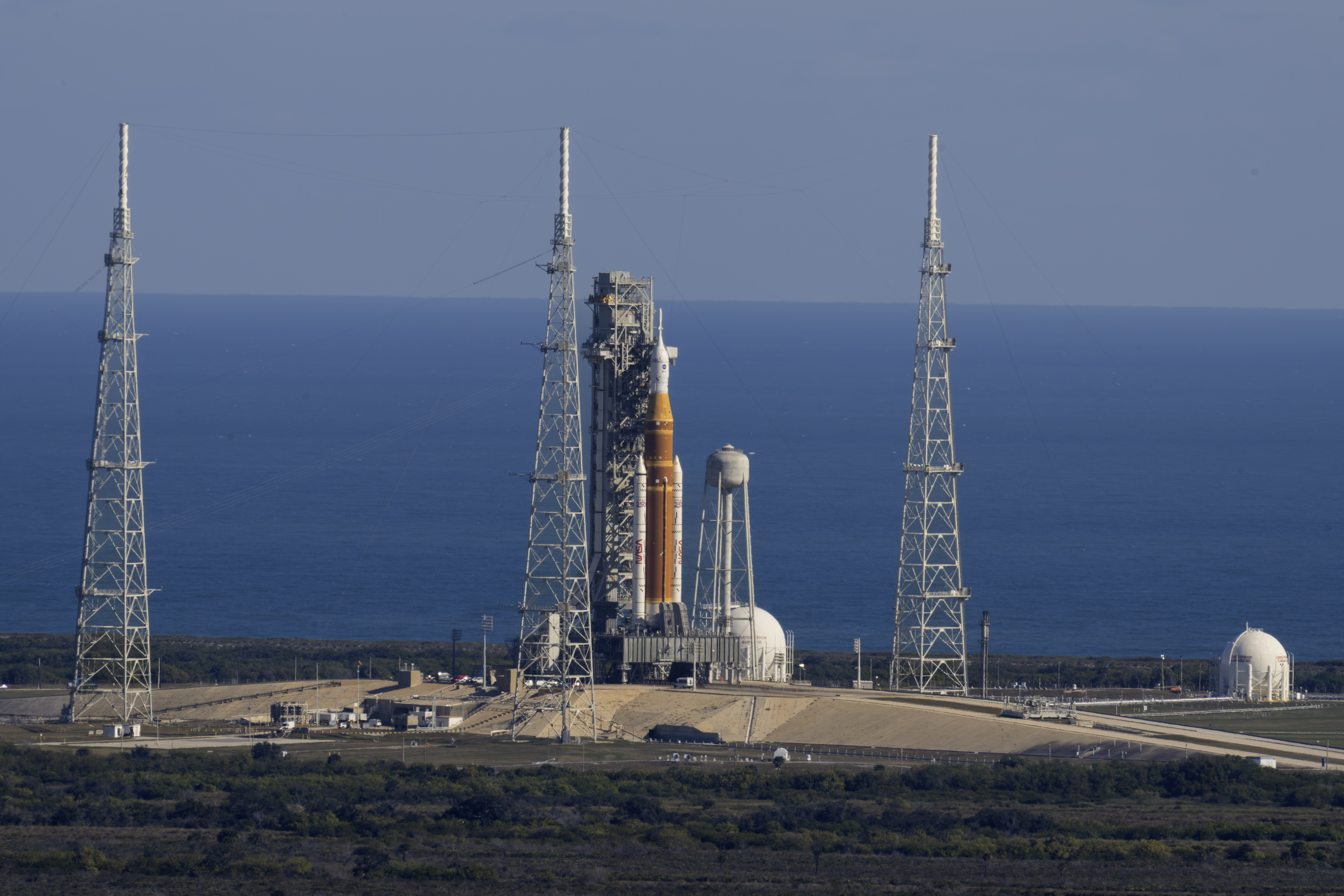
Credit: NASA/Jim Ross
The adjustment comes as engineers closely monitored weather conditions over Florida, including cold temperatures and strong winds. NASA officials assessed the hardware’s capabilities against the forecast, as the state is experiencing an unusual Arctic cold snap, and determined a schedule change was necessary. Teams and preparations at the launch pad remain ready for the wet dress rehearsal. This revised timeline is expected to improve the prospects for a successful test, as the weather anticipated for this weekend would have impacted testing conditions.
NASA is holding off on setting a firm launch date until teams review the results of the wet dress rehearsal, but February 6th and 7th are no longer under consideration. Any further delays would result in a day-by-day shift in the schedule. The Artemis II crew remains in quarantine in Houston, and officials are currently reviewing the timeline for their arrival.
A simulated launch window during the wet dress rehearsal is scheduled to open on February 3rd at 3:00 AM MEZ, with the countdown beginning approximately 49 hours prior. NASA will continue to monitor weather conditions leading up to the test. This mission represents a critical step towards returning humans to the Moon and establishing a long-term lunar presence.
During the current cold weather, engineers have powered and configured Orion’s heaters for the colder temperatures. Purges, used to maintain the proper environment for spacecraft and rocket elements, including the aft booster skirts, have also been adjusted for the weather. A 24/7 livestream of the rocket on the launch pad remains available online. NASA will also provide a separate feed to record activities during the wet dress rehearsal, and will offer real-time blog updates during the fueling process.
Discuss with in the Raumcon-Forum:
