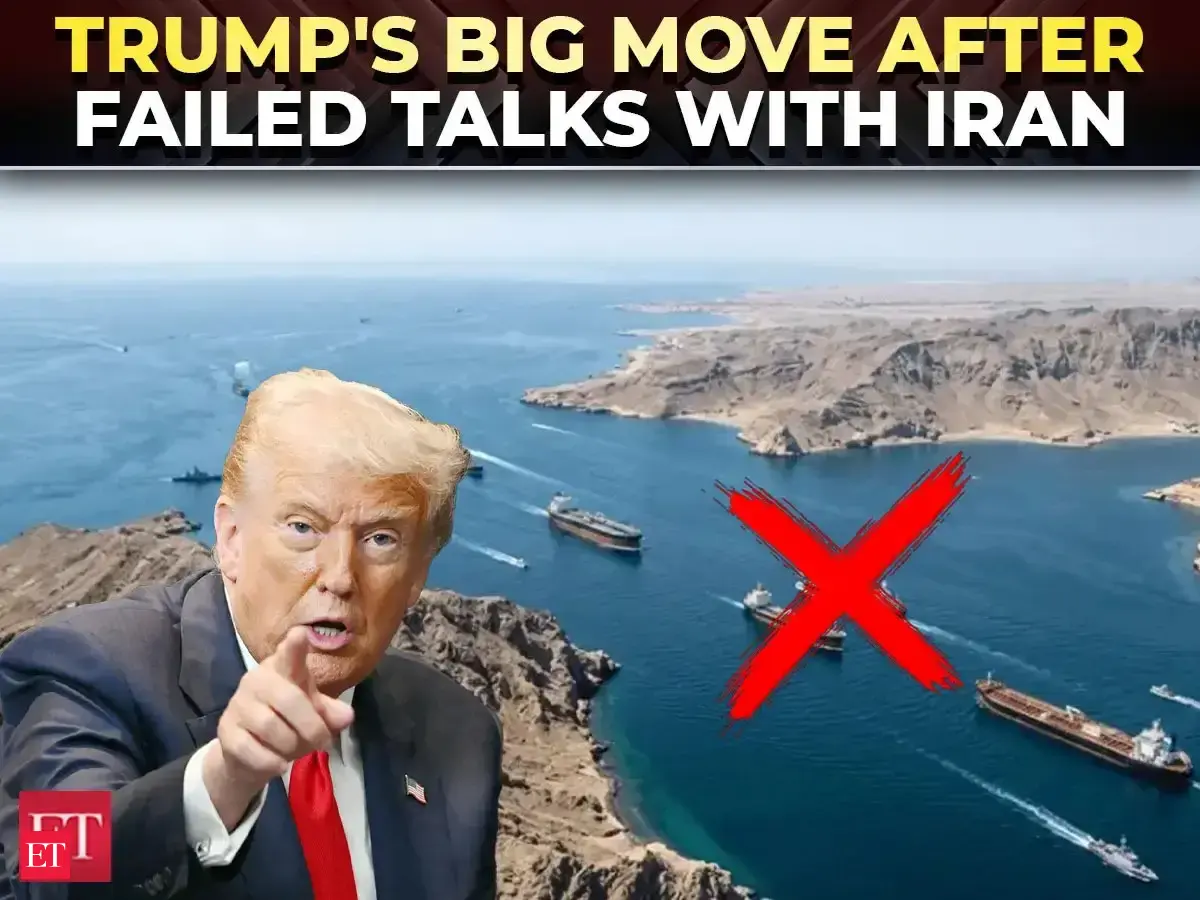
United States President Donald Trump announced on Friday that the U.S. will terminate its naval blockade of Iran, as negotiators work toward a preliminary 60-day memorandum to extend the existing ceasefire. While U.S. and Iranian officials are nearing a framework agreement, the final terms remain unconfirmed and await formal presidential approval.
The Status of the Proposed Memorandum
cluster (priority): WELT
The diplomatic landscape shifted on Friday as the administration signaled progress in indirect talks with Tehran. According to reports from Die Presse, the proposed memorandum aims to formalize a 60-day extension of the ceasefire that has been in effect since April 8. This document, which is expected to be only one page in length, serves primarily as a procedural bridge rather than a final resolution to the conflict.
Vice President JD Vance confirmed that while parties are nearing an agreement, the process remains delicate. “We are not at the goal yet, but we are very close,” Vance stated, according to Die Presse. Despite this optimism, the path to a signed deal is fraught with uncertainty regarding specific technical requirements.
As Die Zeit reported, the outstanding disputes center on Iran’s stockpiles of enriched uranium and the future of its enrichment program. Vance acknowledged the complexity of these negotiations, noting that the administration is still refining the specific language of the agreement.
Contradictory Signals from Tehran and Washington
cluster (priority): DIE ZEIT
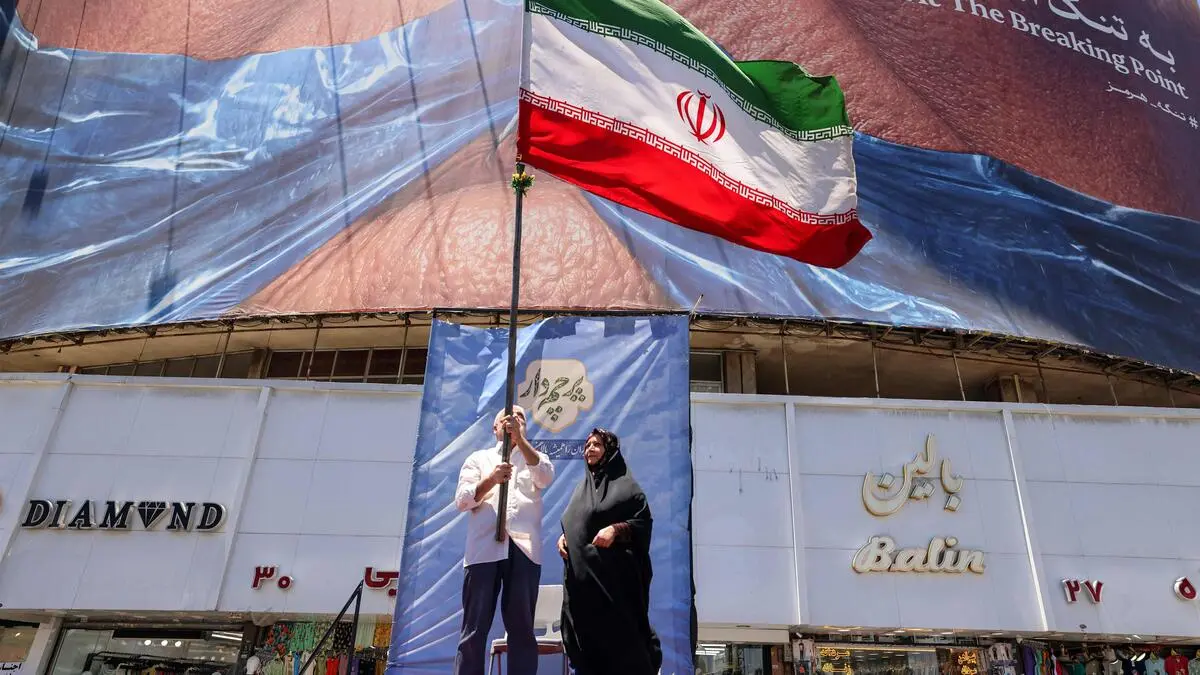
While Western reports suggest a near-consensus, officials in Tehran have maintained a more cautious stance, frequently issuing denials regarding the finality of any deal. The Iranian news agency Tasnim, citing sources close to the negotiating team, reported that the agreement has not been finalized or officially confirmed, as noted by ORF.
The internal process within the U.S. government also suggests that a final announcement is not yet guaranteed. Treasury Secretary Scott Bessent emphasized the necessity of presidential discretion during a press briefing. “I have not spoken with U.S. President Donald Trump about the matter. It is always a mistake to preempt the President,” Bessent stated, as reported by Welt.
This uncertainty is compounded by the fact that the two nations have traded accusations of ceasefire violations throughout the week. Both sides have engaged in military actions, with the U.S. targeting Iranian drones and a base, while Iran has responded with strikes against a U.S. facility and the U.S. ally, Kuwait.
Strategic Stakes in the Strait of Hormuz
Trump to Pullout Mideast Forces? Iran Says Draft Deal Would Reopen Hormuz, End US Naval Blockade |4K
A core component of the potential agreement involves the status of the Strait of Hormuz. According to details shared by Axios, the framework would require Iran to ensure that shipping through the strait remains unrestricted and free of fees. Additionally, the proposal includes a provision for Iran to clear all mines from the waterway within 30 days. In exchange, the U.S. would lift its naval blockade of Iranian ports and offer limited sanctions relief to facilitate Iranian oil exports.
However, analysts remain skeptical about the long-term viability of such a temporary measure. Aaron David Miller, a former U.S. State Department advisor, described the memorandum as merely “a ticket to negotiations” rather than a solution to the underlying geopolitical tensions, as cited by Die Presse.
The strategic pressure remains high for President Trump. As analyzed by the Frankfurter Rundschau, the President is caught in a difficult position where the promised outcomes of his Iran policy have not yet materialized, leaving him to weigh the risks of a compromise that may fall short of his initial demands for a total Iranian surrender of nuclear ambitions.
Looking Ahead: The Next Sixty Days
cluster (priority): news.google.com
If signed, the memorandum serves as a 60-day window for substantive talks. Yet, state media in Iran, such as Press-TV, has explicitly excluded the possibility of Iran permanently forfeiting its control over the Strait of Hormuz or ending its nuclear program, according to Die Presse.
With Pakistan continuing its role as an intermediary, the diplomatic focus will remain on whether these two sides can move beyond the current impasse. For now, the administration continues to balance the promise of a de-escalation with the unresolved volatility of the conflict, as both sides prepare for the possibility that the ceasefire could expire if negotiations fail to produce a more permanent settlement.
Bio:
John Smith is the World Editor at Headlinez.News, leading the global news desk and overseeing international correspondents. With 15 years of field experience across Europe, the Middle East, and Asia, John has reported from conflict zones, summits, and humanitarian missions. His deep understanding of geopolitical trends and cross-cultural reporting ensures that readers receive accurate, balanced perspectives on world events that shape the global narrative.
Expertise: International reporting, geopolitics, diplomacy, conflict journalism, foreign policy analysis.
Location: London, United Kingdom