
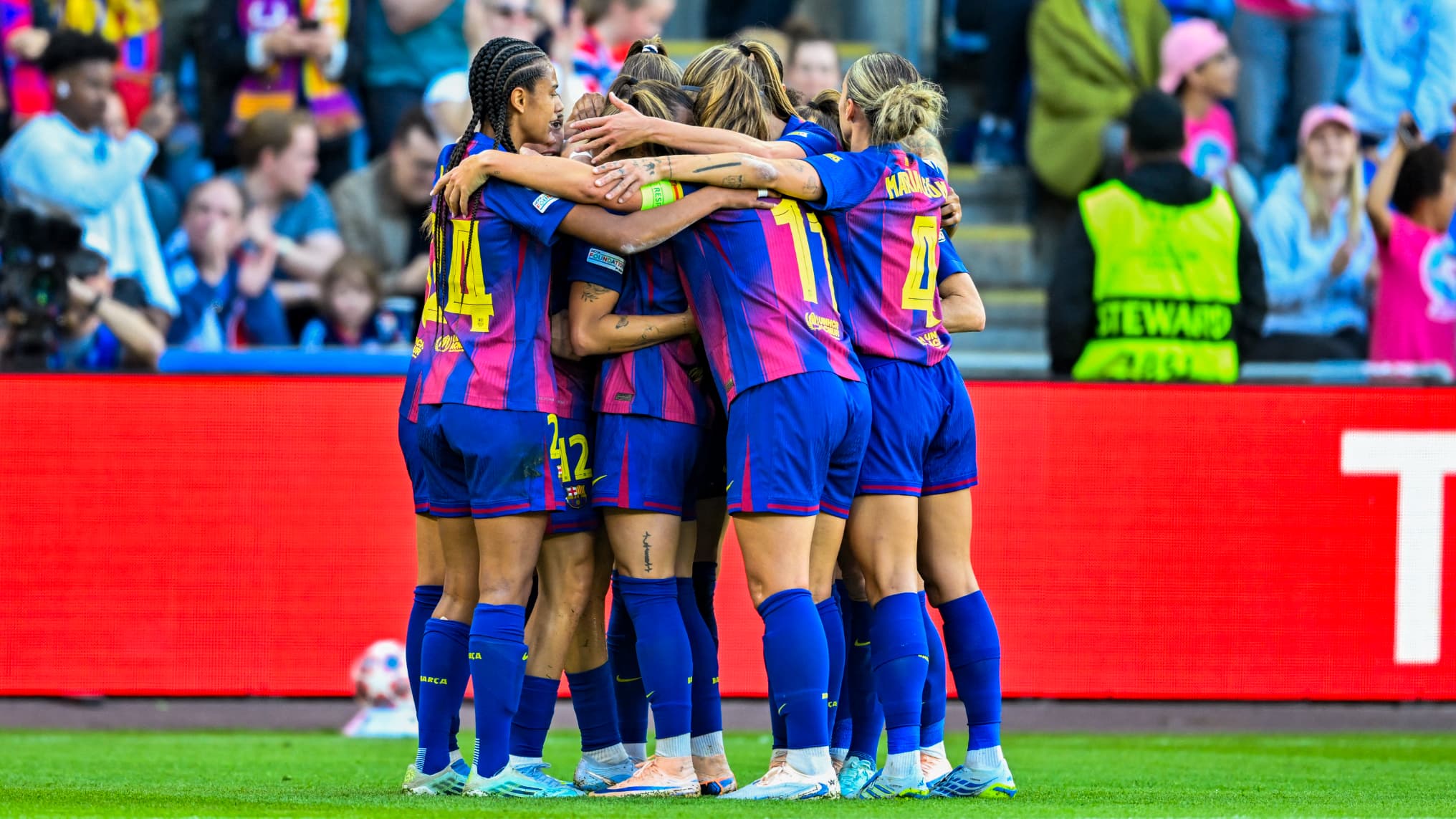
The Lyon women’s team face a two-goal deficit with 15 minutes left in the Champions League final against Barcelona, after a dramatic first half that saw their early lead wiped out.
The 2026 UEFA Women’s Champions League final between Olympique Lyonnais (OL) and FC Barcelona has delivered a rollercoaster first half, with Lyon’s hopes of reclaiming their European crown shattered by two late goals from Barcelona. With 15 minutes remaining in the match, the Catalan side lead 2-0 after a frantic final quarter where Lyon’s resilience was tested by a relentless Barcelona attack. The game, played in Oslo, has already rewritten the narrative of a final that was expected to be a battle between two of the most storied programs in women’s football.
How Barcelona’s Attack Overwhelmed Lyon in the Final Quarter
Barcelona’s dominance in the final stretch began with a moment of individual brilliance from Emma Pajor. After a pinpoint through-ball from Patri Guijarro, Pajor burst into the box, controlled the ball with her back to goal, and fired a low shot into the far corner—giving Barcelona a 1-0 lead. The goal came after Lyon’s early promise, including a disallowed goal for Lindsey Heaps after a VAR review ruled her offside in the build-up.

Lyon’s hopes of an immediate response were dashed when Barcelona’s midfield, led by triple Ballon d’Or winner Aitana Bonmati, tightened their grip on possession. The second goal arrived in the 85th minute when Pajor again proved decisive. A quick exchange between Patri Guijarro and Pina left Pajor with a clear shot, this time placing the ball past Lyon’s goalkeeper with clinical precision. The 2-0 deficit left Lyon’s players visibly shaken, their earlier resilience replaced by a sense of urgency as they scrambled to find a way back into the game.
According to live reporting from RMCSport, the turning point came when Barcelona’s defense solidified after a shaky start. Lyon’s attack, featuring players like Wendie Renard and Lindsey Heaps, had struggled to break down Barcelona’s midfield shield, while Barcelona’s counterattacks became increasingly lethal. The second-half shift in momentum was palpable, with Barcelona’s midfielders dictating play and Lyon’s players forced into a reactive, defensive posture.
The Early Promise: Lyon’s Disallowed Goal and Barcelona’s Defensive Frailties
Lyon’s early promise was embodied by Lindsey Heaps, whose potential goal in the 13th minute was annulled by VAR after a lengthy review. The play began with a free kick from Selma Bacha, which Lyon’s defense cleared, only for the ball to rebound to Heaps. She controlled it and fired a shot that initially appeared to beat Cata Coll in the Barcelona goal. However, the referee’s assistant flagged Heaps for offside, and after consultation with the VAR, the goal was disallowed. The decision left Lyon’s players frustrated but determined, as they sought to capitalize on Barcelona’s early defensive lapses.

Barcelona’s defense, however, quickly regrouped. The arrival of Bonmati in the 60th minute—her third consecutive Ballon d’Or—provided the Catalan side with the creative spark they needed. Her presence in midfield allowed Barcelona to transition from defense to attack with greater fluidity, a shift that became evident in the final 20 minutes of the first half. The contrast between Lyon’s attacking frustration and Barcelona’s growing efficiency was stark, setting the stage for the two-goal collapse.
As Sports Orange reported, the VAR decision on Heaps’ goal was a pivotal moment. It not only dashed Lyon’s early hopes but also seemed to embolden Barcelona’s midfield. The Catalan team, known for their resilience in high-pressure moments, used the setback as motivation to tighten their game and exploit Lyon’s defensive vulnerabilities.
What’s Next? Lyon’s Fight for Redemption and Barcelona’s Path to a Third Straight Final
With 15 minutes remaining, Lyon’s task is daunting but not impossible. They will need a combination of tactical adjustments, individual brilliance, and a touch of luck to claw back into the game. Lyon’s midfield, featuring players like Yohannes and Hegerberg, will need to regain possession and create clear chances. Meanwhile, Barcelona’s defense, already under pressure, will have to remain disciplined to hold onto their two-goal advantage.
The stakes could not be higher. Lyon, with eight Champions League titles to their name, are seeking to reclaim the trophy they lost to Barcelona in the 2024 final. For Barcelona, a third consecutive final appearance—and a potential fifth title—would cement their status as the dominant force in European women’s football. The match is being played in Oslo, a neutral venue that has hosted memorable finals in the past, including Lyon’s 2020 triumph over Barcelona.
The context of this match is rich. Lyon’s recent form has been mixed, with victories over Arsenal and Wolfsburg in the knockout stages, while Barcelona has remained largely unbeaten this season, with only one loss in the league. The Catalan side’s ability to perform in clutch moments—such as their 2024 final win—will be tested once again. For Lyon, the pressure of playing in front of their home crowd’s emotional support will be a critical factor in their ability to stage a comeback.
The Bigger Picture: What This Final Means for Women’s Football
Beyond the immediate drama on the pitch, this final represents a defining moment for women’s football. Both Lyon and Barcelona are global brands, with massive fanbases and commercial appeal. The match is being broadcast on major platforms, including La Chaîne L’Équipe and Disney+, underscoring the growing global interest in the sport. A Lyon victory would send a message about the resilience of underdogs, while a Barcelona win would further solidify their reputation as the most consistent team in the competition.
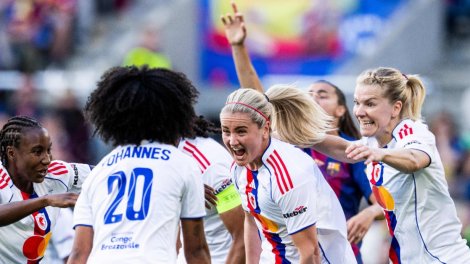
The tactical battle between Lyon’s possession-based approach and Barcelona’s direct, counterattacking style will be a masterclass in modern women’s football. Lyon’s midfield, led by players like Wendie Renard, will look to control the tempo and wear down Barcelona’s defense. In contrast, Barcelona’s midfield, with Bonmati and Putellas orchestrating play, will aim to exploit spaces and punish Lyon’s defensive errors.
The final also highlights the global reach of women’s football. Players like Heaps (USA), Bonmati (Spain), and Renard (France) represent the international nature of the competition. The match is a testament to the growing professionalism and competitiveness of the sport, with both teams featuring players who have achieved individual accolades, such as Ballon d’Or awards, on the world stage.
Key Players to Watch in the Final Stretch
- Lindsey Heaps (Lyon): The American forward will need to deliver under pressure. Her ability to create chances and score in big moments will be crucial for Lyon’s hopes of a comeback.
- Aitana Bonmati (Barcelona): The triple Ballon d’Or winner will be the engine of Barcelona’s attack. Her vision, passing, and ability to dictate play will determine whether Lyon can regain control.
- Cata Coll (Barcelona): The goalkeeper’s composure will be tested as Lyon looks to mount a late assault. Coll has been solid in recent matches, but a single mistake could give Lyon the equalizer they desperately need.
- Wendie Renard (Lyon): The French captain will need to marshal Lyon’s defense and provide leadership in a high-pressure situation. Her experience in big games will be vital.
- Emma Pajor (Barcelona): The scorer of both goals, Pajor’s form has been instrumental in Barcelona’s recent success. Lyon will need to mark her tightly to prevent further damage.
The next 15 minutes will be decisive. Lyon’s fans, known for their passionate support, will be hoping for a miracle. Meanwhile, Barcelona’s players will be focused on preserving their lead and securing their place in history. As the clock ticks down, the tension on the pitch—and among the players—will be palpable.
One thing is certain: this final will be remembered for years to come, not just for the drama on the pitch, but for what it represents—the relentless pursuit of excellence in women’s football.
