
On Sunday, May 24, 2026, the Banco Central de Venezuela (BCV) reported a revised exchange rate of 530.5047 Bolívares (Bs) per U.S. Dollar (USD), marking a 0.69% increase from the previous day’s rate of 526.86 Bs/USD, as detailed by Finanzas Digital and Diario Primicia.
Exchange Rate Details and Regional Comparisons
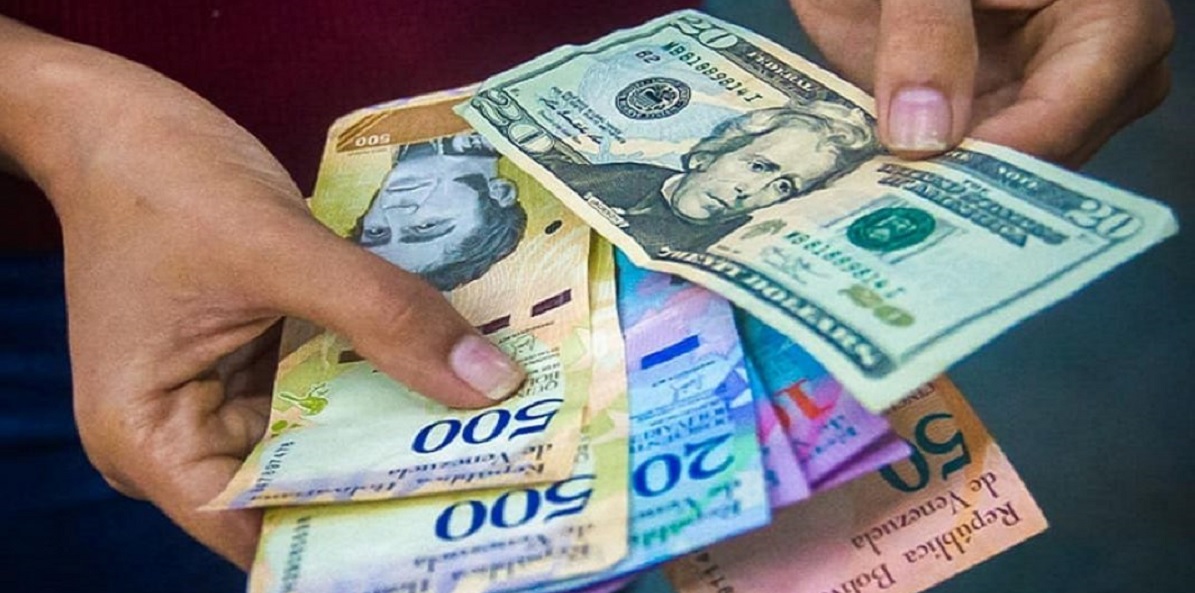
The BCV’s latest rate, set on May 25, 2026, reflects a weighted average of daily transactions across participating banks. This update positions the USD at 530.5047 Bs, with the Euro (EUR) at EUR615.50216303 Bs and the Chinese Yuan (CNY) at 78.10153846 Bs, according to Finanzas Digital. Diario Primicia corroborates the USD rate at 530.50 Bs, while also listing the Turkish Lira (TRY) at 11.60 Bs and the Russian Ruble (RUB) at 7.41 Bs. These figures highlight the broader currency landscape in Venezuela, where the BCV’s official rate serves as a benchmark for financial transactions and economic planning.
Historical Context and Annual Trends
Since May 26, 2025, the USD has surged by 457.9327% against the Bolívar, reaching a cumulative annual increase of 77.9363%. This reflects a prolonged period of inflationary pressure, with the BCV’s rate climbing from 95.0845 Bs/USD in 2025 to 530.50 Bs/USD in 2026. The agency’s data underscores the volatility of Venezuela’s currency, which has seen a 232.3616% annual rise in the exchange rate. Such trends have significant implications for trade, inflation, and consumer purchasing power, as outlined by Finanzas Digital.
Bank-Specific Tasa de Cambio
Participating banks provided varied rates on May 22, 2026, with Banesco offering 566.26 Bs/USD for purchases and 569.52 Bs/USD for sales. Banco Nacional de Crédito BNC listed 602.09 Bs/USD for purchases and 608.55 Bs/USD for sales, while Banco Mercantil reported 592.21 Bs/USD and 598.13 Bs/USD. These discrepancies illustrate the divergence between institutional rates and the BCV’s official rate, which acts as a regulatory reference point. Finanzas Digital noted that the BCV’s rate is designed to stabilize market expectations, though individual banks may adjust their rates based on liquidity and operational needs.

Implications for Economic Policy and Market Stability
The BCV’s continued adjustments to the exchange rate signal efforts to manage hyperinflation, but the stark increases over the past year suggest systemic challenges. Analysts point to the need for structural reforms to address currency devaluation, as highlighted by Diario Primicia. The agency’s role in maintaining a stable exchange rate remains critical, yet the persistence of high inflation rates raises questions about the effectiveness of current monetary policies. Stakeholders, including businesses and consumers, must navigate these fluctuations to mitigate financial risks.
As of May 24, 2026, the BCV’s latest exchange rate underscores the dynamic nature of Venezuela’s economic environment. With ongoing inflationary pressures and regional currency comparisons, the agency’s updates will remain a focal point for policymakers and market participants alike. The data from Finanzas Digital and Diario Primicia provide a clear snapshot of the current landscape, offering insights into the broader implications of currency valuation in the region.
