
The world’s top gallerists, collectors, and artists have just named their must-visit destinations for contemporary art in 2026, and the list reads like a global treasure map—from the sun-drenched chaos of Naples to the neon-lit galleries of Seoul. May 2026 marks a pivotal moment for the art world, as major exhibitions, residency programs, and gallery openings converge across continents, redefining where the next generation of artists and collectors will gather. With New York’s art week in full swing and international hubs like South Korea and the Caribbean gaining prominence, the question isn’t just *where* to go—but why these locations are reshaping how we experience art today.
Naples and the Amalfi Coast: Where History and Contemporary Art Collide
If you thought contemporary art was confined to sleek white cubes and minimalist installations, Naples and its surrounding Amalfi Coast will shatter that assumption. Gallerists Karen and Christian Boros—whose collection spans global contemporary works—highlight the region as a place where the past and present don’t just coexist but *converse*. The city’s galleries, from Galleria Giangiacomo Rossetti/Giangi Fonti to Zweigstelle Capitain VII, are curating exhibitions that challenge traditional notions of what “modern” art should look like. Think: ancient Roman ruins repurposed as backdrops for site-specific installations, or works that engage directly with the region’s tumultuous history—like the layered narratives emerging from Fondazione Morra Greco, a private museum where exhibitions evolve as organically as the city’s streets.

The Boroses aren’t alone in their enthusiasm. Naples’ ability to blend the sacred and the subversive—whether through the grandeur of Palazzo Doria d’Angri or the raw energy of its underground art scene—makes it a destination where art isn’t just viewed; it’s *lived*. And for those who crave a slower pace, the Amalfi Coast offers a counterpoint: Le Sirenuse, a hotel-turned-art-residency, and Marea Art Project, a residency program where artists, landscape, and community merge into a single, immersive experience. The message is clear: contemporary art here isn’t about detachment. It’s about connection.
Seoul’s Renaissance: How South Korea Became the New Global Art Capital
While Naples thrives on its historical layers, Seoul is building its reputation on sheer *momentum*. Jean-Michel Othoniel, whose work spans sculpture, installation, and public art, calls South Korea “the most exciting destination for contemporary art” today. And the numbers back him up: institutions like the Leeum Samsung Museum of Art aren’t just housing collections—they’re actively shaping the discourse around what contemporary art can be. The museum’s focus on celadon ceramics, for instance, bridges traditional Korean craftsmanship with cutting-edge conceptual practices, proving that “contemporary” isn’t a one-size-fits-all label.
But it’s the private sector driving the real transformation. Galleries like Kukje Gallery—where Othoniel is represented—are attracting international artists and collectors alike, while foundations are popping up like never before. The result? A city where street art in Hongdae bleeds into high-end gallery shows in Cheongdam, and where artists like Do Ho Suh (whose work explores migration and identity) are as celebrated as their historical counterparts. Seoul’s art scene isn’t just keeping pace with the West; it’s redefining what global contemporary art *should* look like.
The Caribbean’s Quiet Revolution: Sugar Beach and the Art of Escape
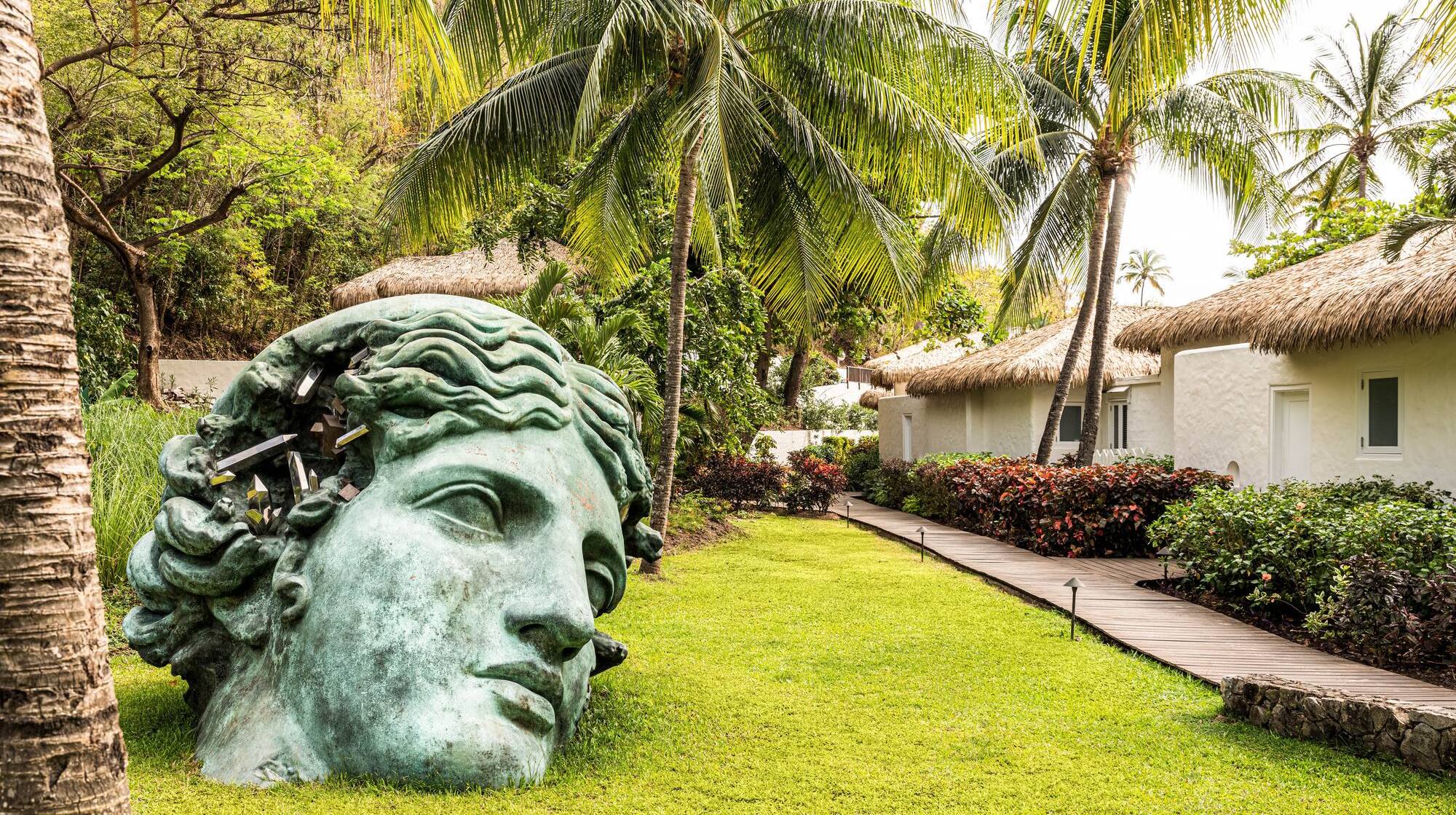
If you’re craving a contemporary art experience with a side of turquoise waters and rum cocktails, look no further than St. Lucia’s Sugar Beach, a Viceroy resort where Daniel Arsham’s sculptures—playful, surreal, and dripping with tropical energy—dot the landscape. Arsham, known for his work that blurs the line between architecture and art, has turned the resort into an open-air gallery, where his installations (like the iconic *Sugar Beach* itself) invite visitors to walk *through* art rather than just observe it from a distance. It’s a radical departure from the sterile white walls of traditional galleries, and it’s exactly why collectors are flocking to the Caribbean.
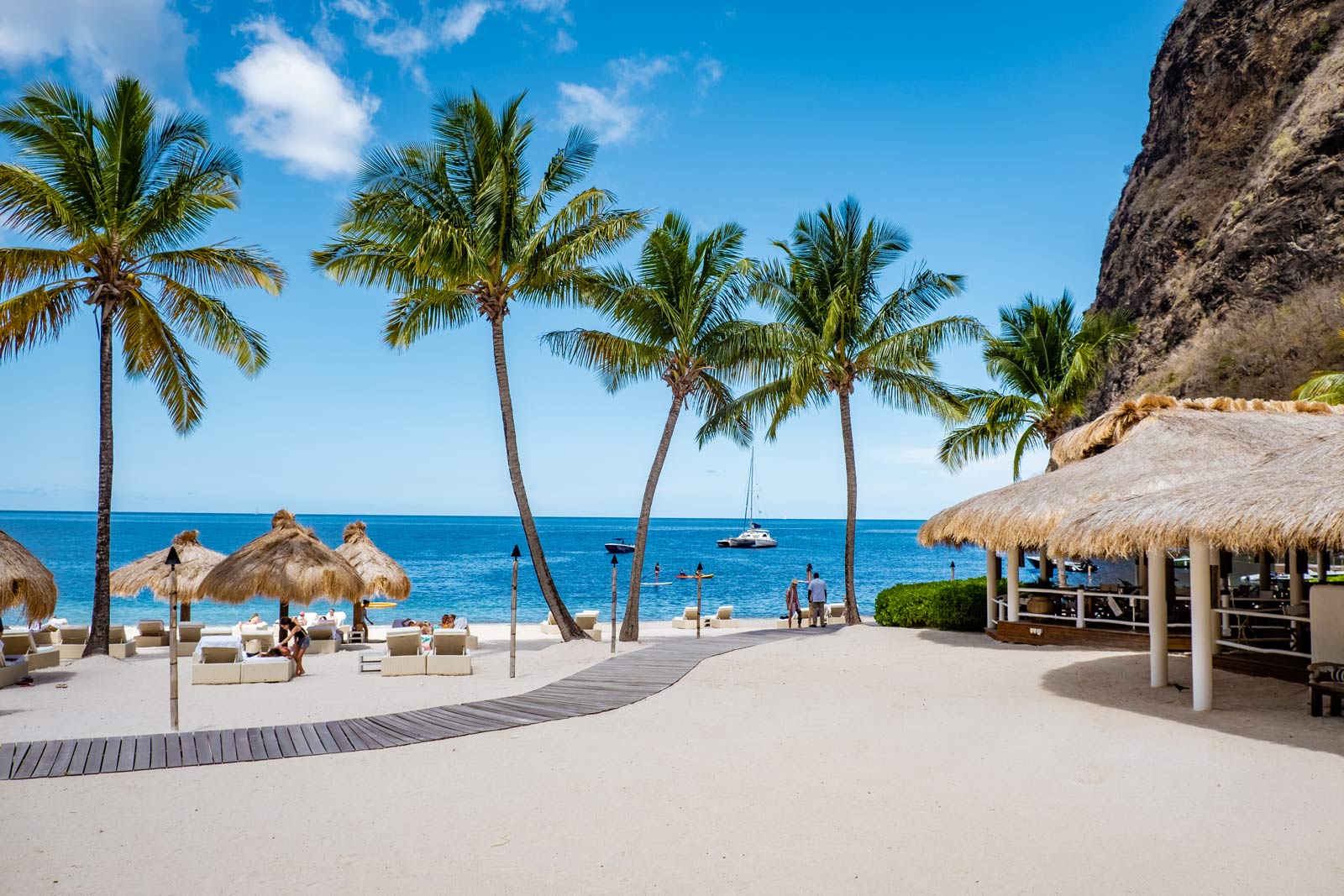
The appeal of places like Sugar Beach isn’t just aesthetic—it’s logistical. In an era where art fairs and biennales demand weeks of travel and hefty budgets, destinations like St. Lucia offer a breath of fresh air: high-end contemporary art without the jet lag. And the trend isn’t limited to resorts. Caribbean cities are quietly becoming hubs for artist residencies, where creators can work in environments that inspire as much as the galleries back home. The message? Contemporary art doesn’t have to be confined to museums or metropolises. Sometimes, the best ideas emerge where the world feels a little slower—and the cocktails a little stronger.
What “Contemporary” Really Means in 2026
The term “contemporary art” has always been slippery, but in 2026, it’s undergoing a full-blown identity crisis—and the destinations leading the charge are proving that the definition is broader (and more global) than ever. According to Merriam-Webster’s updated examples, “contemporary” now encompasses not just what’s *modern* but what’s *coexisting*—whether that’s a 17th-century palace housing a 21st-century installation (Naples) or a Caribbean resort where sculpture and sunset merge into one experience (St. Lucia). The shift reflects a larger truth: today’s art world isn’t just about what’s new. It’s about what’s *relevant*—and relevance, it turns out, is a lot more porous than we thought.

Take Seoul’s approach, for instance. By centering traditional Korean ceramics alongside avant-garde works, the city’s institutions are forcing a conversation about what “contemporary” *should* include. Similarly, Naples’ galleries aren’t just showing art—they’re using the city’s history as a dialogue partner. And in the Caribbean, the very *location* of art (a beach, a resort, a residency) becomes part of the work itself. The result? A global art scene that’s less about rigid categories and more about fluid, unexpected connections.
The Next Wave: What’s on the Horizon for 2026 and Beyond
If this year’s destinations are any indication, the future of contemporary art is decentralized, immersive, and deeply tied to place. Galleries in Naples and Seoul are proving that art can thrive in cities with rich histories, while the Caribbean is showing that luxury and creativity aren’t mutually exclusive. But the real story isn’t just where these destinations are—it’s what they’re *doing*: blending tradition with innovation, making art accessible without diluting its edge, and redefining what it means to be “contemporary” in an era of rapid cultural exchange.
For collectors and artists alike, the takeaway is clear: the art world’s center of gravity is shifting. No longer is New York the sole arbiter of taste (though its Tribeca Gallery Night in May 2026 remains a must-attend). Instead, the map is expanding—literally and conceptually. Whether you’re drawn to the drama of Naples, the dynamism of Seoul, or the escape of the Caribbean, one thing is certain: the most exciting contemporary art isn’t happening in a vacuum. It’s happening *somewhere*—and in 2026, that somewhere is everywhere.
Now, if you’ll excuse me, I’m packing my bags. There’s a celadon exhibition in Seoul, a residency in Positano, and—most importantly—a rum cocktail waiting somewhere in the Caribbean.
